Gas Prices Are Spiking. So Why Aren’t U.S. Oil Companies Drilling More?
Companies Mentioned
Why It Matters
Higher pump prices strain consumer budgets and logistics costs, yet limited U.S. drilling capacity means the supply gap may persist, reshaping the domestic energy market and accelerating the shift toward renewables.
Key Takeaways
- •World Bank forecasts 24% rise in global energy prices in 2026
- •U.S. production 13.6 million bpd versus 20 million bpd trapped
- •Exxon and Chevron keep pre‑war drilling schedules
- •Continental Resources adds rigs; Diamondback lifts output 3%
- •Renewables provide 17% of U.S. electricity, easing demand
Pulse Analysis
The current spike in U.S. gasoline prices reflects a perfect storm of geopolitics and market dynamics. The closure of the Strait of Hormuz has effectively sequestered one‑fifth of the world’s oil supply, prompting the World Bank to predict a 24% increase in global energy costs for 2026. For American drivers, this translates into an extra half‑billion dollars in daily fuel expenditures, while logistics firms grapple with higher freight rates. The price shock underscores how quickly regional conflicts can reverberate through global supply chains, especially when a critical chokepoint is involved.
Even though higher prices traditionally incentivize producers to drill more, U.S. oil companies are proceeding cautiously. The shale boom of the 2010s showed that technology—horizontal drilling and hydraulic fracturing—can unlock previously inaccessible reserves, but it also revealed the sector’s vulnerability to price volatility. After OPEC’s decision not to cut output in 2014, oil prices plunged 70%, leaving investors wary. Today, inflation‑driven labor and material costs, coupled with a six‑month lead time to bring new wells online, dampen enthusiasm for large‑scale expansion. Smaller independents are modestly increasing rigs, but major players like ExxonMobil and Chevron are maintaining pre‑war production targets, signaling limited short‑term supply growth.
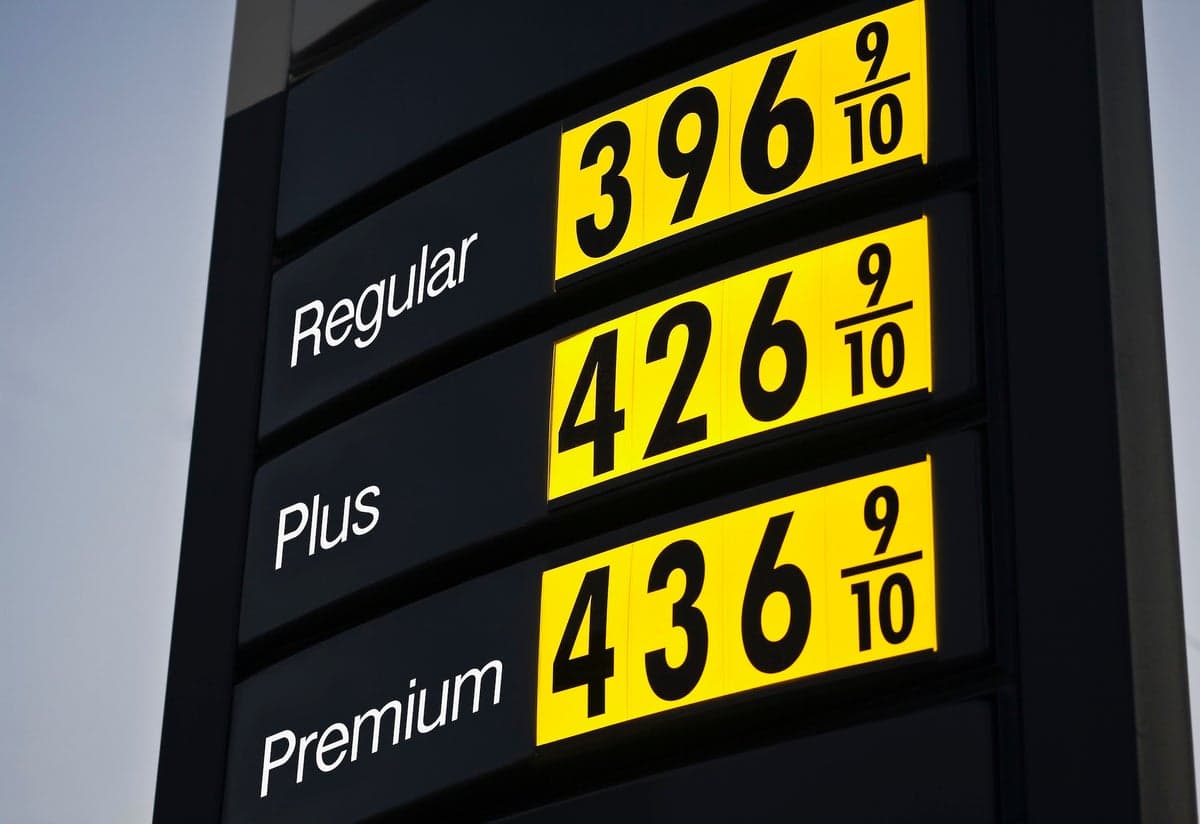
The broader implication is a gradual rebalancing of the U.S. energy mix. Renewable sources now generate 17% of the nation’s electricity, reducing demand for fossil fuels in the power sector and providing a cushion against further price spikes. However, the immediate consumer impact remains severe, with gasoline prices hovering near $4.50 per gallon. Analysts expect West Texas Intermediate to dip below $90 per barrel by October, yet many warn that forecasts may be overly optimistic if the Strait remains closed. The convergence of geopolitical risk, constrained drilling capacity, and a rising renewable footprint suggests that U.S. energy markets will continue to experience volatility, prompting both policymakers and investors to reassess long‑term strategies.
Gas prices are spiking. So why aren’t U.S. oil companies drilling more?
Comments
Want to join the conversation?
Loading comments...