GE Vernova Wins 100MW Italian Supply Deal
•March 4, 2026
0
Why It Matters
The agreement strengthens GE Vernova’s market position in Europe and accelerates Italy’s progress toward its 2030 renewable energy targets. It also showcases the commercial appeal of GE’s split‑blade technology and flexible O&M model.
Key Takeaways
- •GE Vernova wins 100 MW Fortore contract
- •17 turbines each rated 6.1 MW, 158 m rotor
- •Deliveries start Q2 2027 with custom O&M
- •Split‑blade design eases logistics on complex sites
- •Reinforces GE Vernova’s foothold in Italian wind market
Pulse Analysis
Italy’s renewable roadmap has been gaining momentum, and the recent GSE auction in December 2025 highlighted the country’s appetite for large‑scale on‑shore projects. By securing one of the auction’s biggest awards, GE Vernova not only adds a 100 MW asset to its European portfolio but also signals confidence in Italy’s policy stability and grid integration plans. The Fortore wind farm, located in the southern region of Benevento, will contribute significantly to the nation’s 2030 target of 65 GW of installed wind capacity, reinforcing the strategic importance of the deal for both the developer and the broader market.
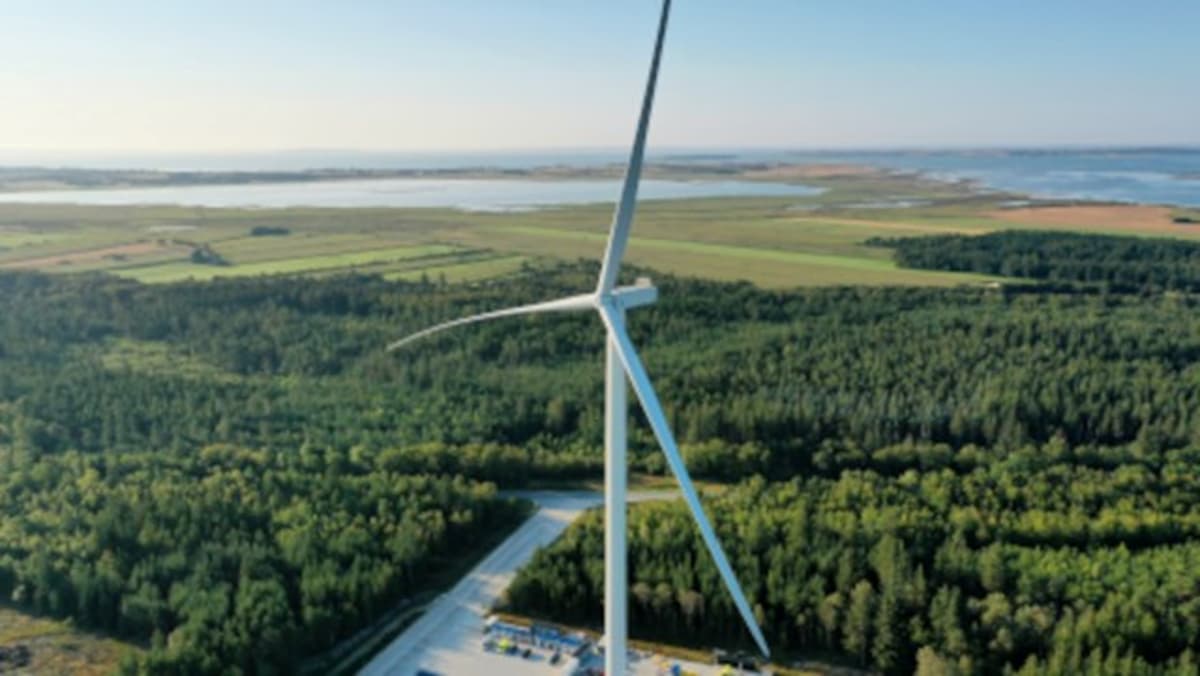
At the heart of the contract is GE Vernova’s 6.1 MW platform featuring a two‑piece, split‑blade architecture. This design reduces transportation constraints, allowing turbines to reach sites with limited road access or challenging terrain—a common hurdle in Italy’s mountainous regions. The larger 158‑metre rotor diameter maximises energy capture, delivering higher capacity factors compared with older models. By offering a technology that blends logistical flexibility with superior performance, GE Vernova gives operators a competitive edge in future auctions where cost‑per‑megawatt and site adaptability are decisive factors.
Beyond the hardware, the partnership includes a customized operations‑and‑maintenance (O&M) framework that delegates transactional maintenance to IVPC while retaining GE’s expertise for critical interventions. This hybrid model lowers lifecycle costs and improves asset availability, addressing investor concerns about long‑term profitability. For GE Vernova, the contract deepens its foothold in a market that has historically favored domestic manufacturers, opening doors to additional repowering projects and new builds across Southern Europe. The deal therefore serves as a catalyst for sustained growth, aligning corporate strategy with the continent’s accelerating energy transition.
GE Vernova wins 100MW Italian supply deal
0
Comments
Want to join the conversation?
Loading comments...