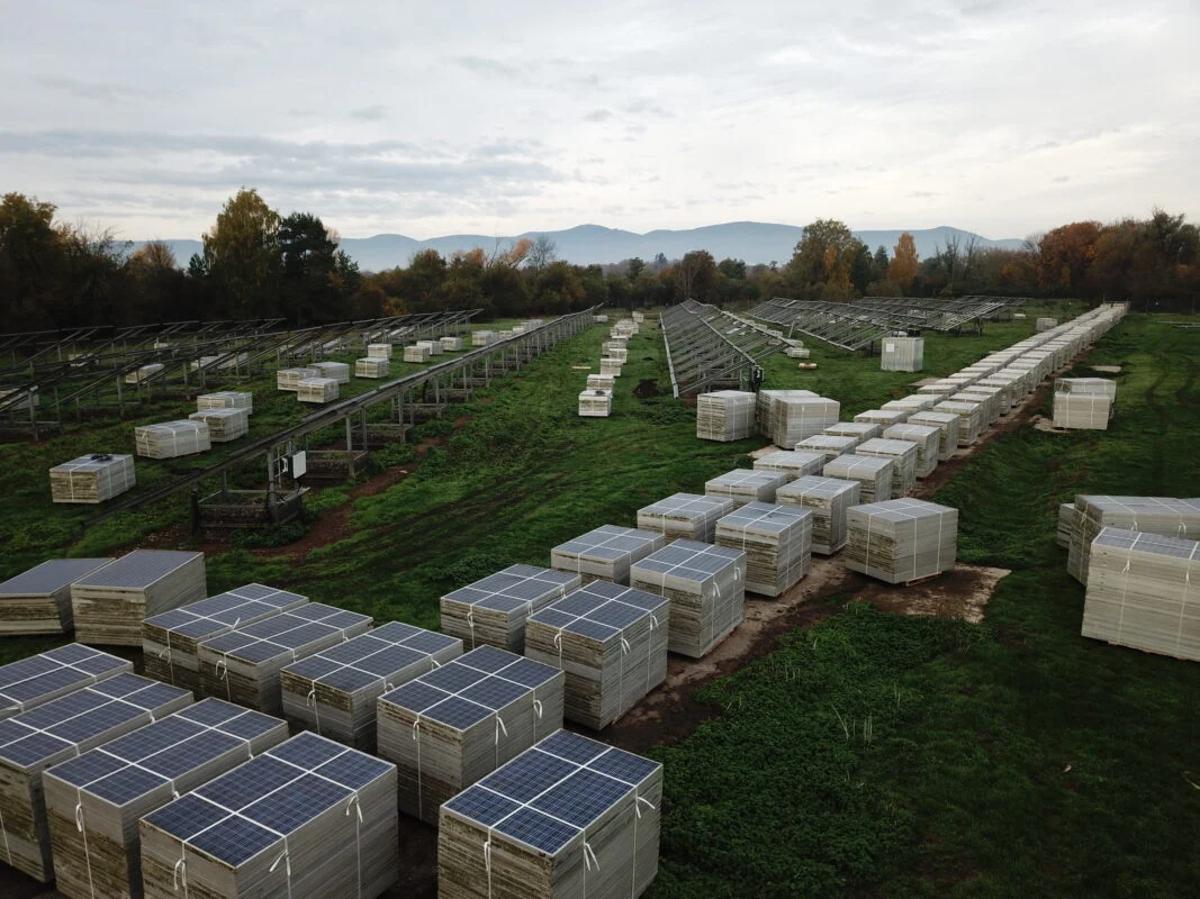
Gearing up for the Coming Wave of PV Decommissioning
Why It Matters
The scale of PV waste threatens to strain waste‑management systems and erode the sustainability credentials of renewable energy. Establishing robust decommissioning standards and recycling pathways is essential for the industry’s long‑term viability and for meeting climate goals.
Key Takeaways
- •End‑of‑life PV modules could total tens of millions of tonnes by 2046
- •Industry lacks standardized decommissioning protocols, prompting need for best‑practice framework
- •Emerging recycling technologies aim to recover silicon, glass, and rare metals
- •Slower new‑install growth in Europe pressures firms to focus on asset retirement
Pulse Analysis
The solar sector now faces a paradox: rapid deployment over the past two decades has created a looming end‑of‑life challenge that could dwarf the waste streams of many other industries. Early‑generation utility‑scale farms, many built on 10‑ to 15‑year design lifespans, are entering the retirement phase, and projections suggest up to 30 million tonnes of modules may require disposal by 2046. Without coordinated policy and industry‑wide standards, these materials risk ending up in landfills, undermining the clean‑energy narrative that has driven public and investor support.
In response, a wave of recycling innovations is emerging across the globe. Mechanical shredding combined with hydrometallurgical leaching can extract up to 95 % of silicon, glass, and precious metals such as silver and indium. Pilot plants in Germany, China, and the United States are scaling these processes, while new best‑practice guidelines advocate for modular design, clear ownership of decommissioning costs, and early planning of end‑of‑life pathways. These measures not only reduce environmental impact but also create secondary revenue streams, turning waste into a source of raw material for the next generation of PV production.
The market implications are significant. European investors, facing a slowdown in new installations, are reallocating capital toward asset‑retirement services and circular‑economy ventures. Policy makers are considering extended producer responsibility (EPR) schemes that would obligate manufacturers to fund recycling, mirroring approaches in the electronics sector. Meanwhile, the broader renewable ecosystem—spanning AI‑driven predictive maintenance, eBOS cost optimization, and grid resilience—must integrate decommissioning data to ensure a seamless transition from active generation to responsible retirement. Companies that embed these practices early will gain a competitive edge and reinforce the credibility of solar as a truly sustainable energy source.
Gearing up for the coming wave of PV decommissioning
Comments
Want to join the conversation?
Loading comments...