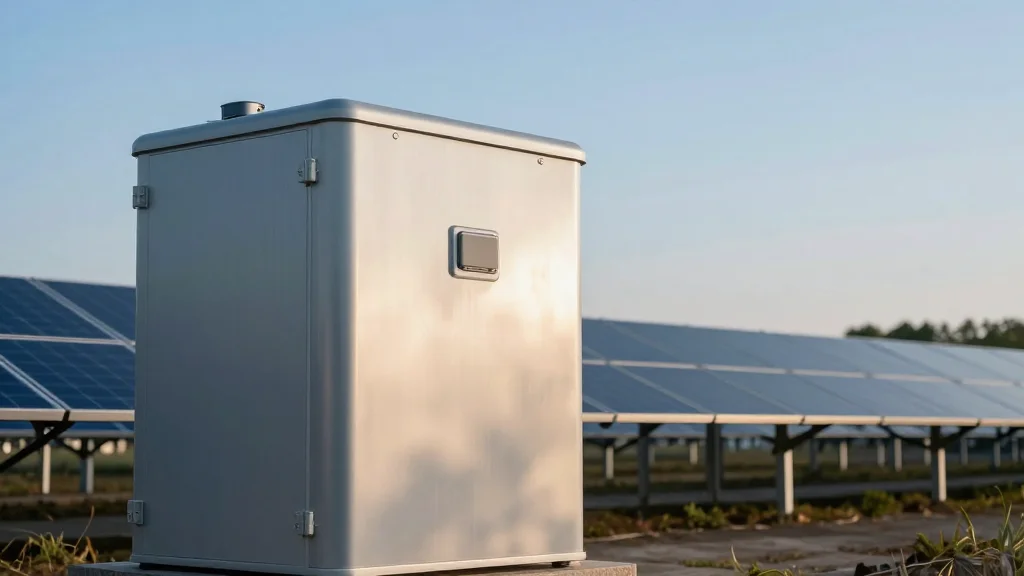
Georgia Power Breaks Ground on 1 GWh BESS Near Existing Solar Site
Why It Matters
The addition of sizable, dispatchable storage strengthens renewable integration and peak‑shaving for Georgia’s grid, while signaling utilities’ shift toward hybrid solar‑storage solutions. It also underpins the state’s broader economic and energy growth objectives.
Key Takeaways
- •260 MW, 1 GWh battery construction begins near Wadley solar
- •Burns & McDonnell contracted; completion targeted for 2027
- •Four‑hour storage will shift solar output to peak demand
- •Georgia PSC approved; part of utility’s expanding storage pipeline
- •Enhances grid reliability and supports Georgia’s economic growth
Pulse Analysis
The launch of Georgia Power’s 260 MW, 1 GWh battery marks a pivotal step in the Southeast’s transition toward more resilient, renewable‑heavy grids. While utility‑scale solar has proliferated across the region, its intermittent nature still challenges operators during evening peaks. By co‑locating a large‑scale battery with an existing solar array, Georgia Power can smooth output fluctuations, reduce reliance on fossil‑fuel peakers, and improve overall system efficiency. This hybrid approach reflects a broader industry trend where utilities pair generation with storage to meet reliability standards without expanding traditional generation assets.
Technically, the four‑hour duration of the BESS aligns with typical peak‑shaving strategies, allowing the facility to store midday solar surplus and release it when demand spikes. Burns & McDonnell’s involvement ensures the project leverages proven engineering practices, from modular lithium‑ion cells to advanced energy management software that optimizes charge‑discharge cycles. The proximity to existing transmission infrastructure simplifies interconnection, cutting costs and accelerating timelines. Moreover, the battery’s capacity—enough to power roughly 250,000 homes for four hours—provides a tangible buffer against outages, enhancing grid stability in a region prone to extreme weather events.
Regulatory approval from the Georgia Public Service Commission underscores the state’s supportive stance toward clean‑energy investments. As more utilities secure similar permits, the market is likely to see a cascade of hybrid projects, driving down technology costs through economies of scale. For investors and policymakers, Georgia Power’s initiative offers a case study in how strategic storage deployment can meet growing electricity demand, support economic development, and accelerate the decarbonization roadmap. The project’s 2027 completion target sets a clear timeline for stakeholders to monitor performance metrics and assess the replicability of such models across other jurisdictions.
Georgia Power breaks ground on 1 GWh BESS near existing solar site
Comments
Want to join the conversation?
Loading comments...