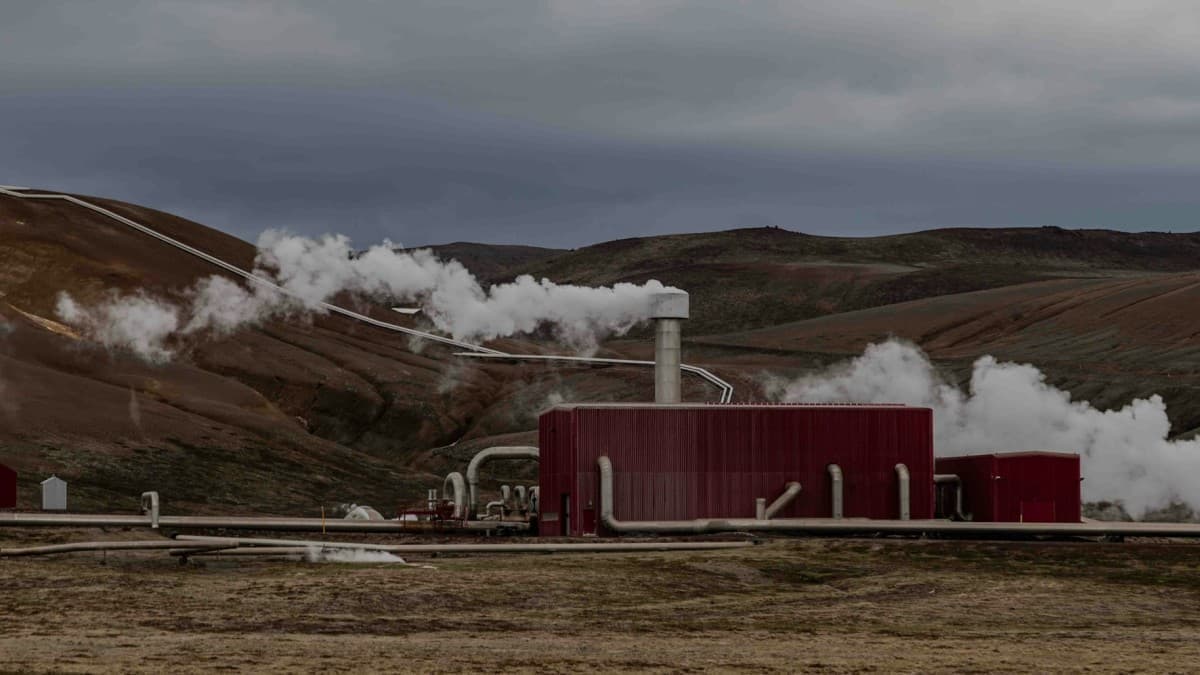
Geothermal Could Cover 64% of AI Data Center Energy Demand by 2030
Why It Matters
As AI workloads surge, data‑center operators face escalating electricity costs and supply volatility; geothermal offers a reliable, low‑carbon alternative that can lock in long‑term price stability and reduce dependence on fossil‑fuel‑based grids.
Key Takeaways
- •Geothermal could supply 64% of AI data‑center power growth by 2030
- •Baseload nature eliminates need for large‑scale energy storage
- •Bipartisan political backing accelerates permitting and financing
- •New drilling tech expands viable sites beyond traditional hotspots
- •Investment interest rising as data‑center demand outpaces renewables
Pulse Analysis
The AI boom is driving data‑center electricity consumption to historic highs, with estimates that global demand could double by 2030. Traditional renewables such as wind and solar, while clean, are intermittent and require expensive battery or pumped‑hydro storage to smooth supply. Geothermal’s constant baseload output sidesteps these constraints, offering a predictable power profile that aligns with the 24/7 operation of AI clusters. This reliability not only cuts capital expenditures on storage but also improves grid stability, a critical factor as utilities grapple with increasing peak loads.
Technological breakthroughs are reshaping geothermal’s economics. Enhanced drilling techniques, originally honed for hydraulic fracturing and recently adapted from nuclear‑fusion experiments, have slashed well‑costs and opened up moderate‑temperature resources across the continental United States. Coupled with streamlined permitting—bolstered by bipartisan support and early community engagement—these advances could unlock gigawatt‑scale projects in regions previously deemed unsuitable. The political climate, unusually favorable for a clean‑energy source, reduces policy uncertainty and encourages both private equity and strategic investors to allocate capital toward geothermal pipelines.
If the Rhodium Group’s projection holds, geothermal could become the linchpin of the data‑center power mix, delivering up to two‑thirds of the sector’s incremental demand. This would reshape energy markets, driving down wholesale electricity prices and creating a new revenue stream for geothermal developers. Moreover, the shift would enhance energy security for tech firms, insulating them from geopolitical supply shocks and carbon‑pricing regimes. Stakeholders—from cloud providers to utility regulators—should therefore monitor geothermal project pipelines closely, as early adopters stand to gain competitive cost advantages and a stronger sustainability narrative.
Geothermal Could Cover 64% of AI Data Center Energy Demand by 2030
Comments
Want to join the conversation?
Loading comments...