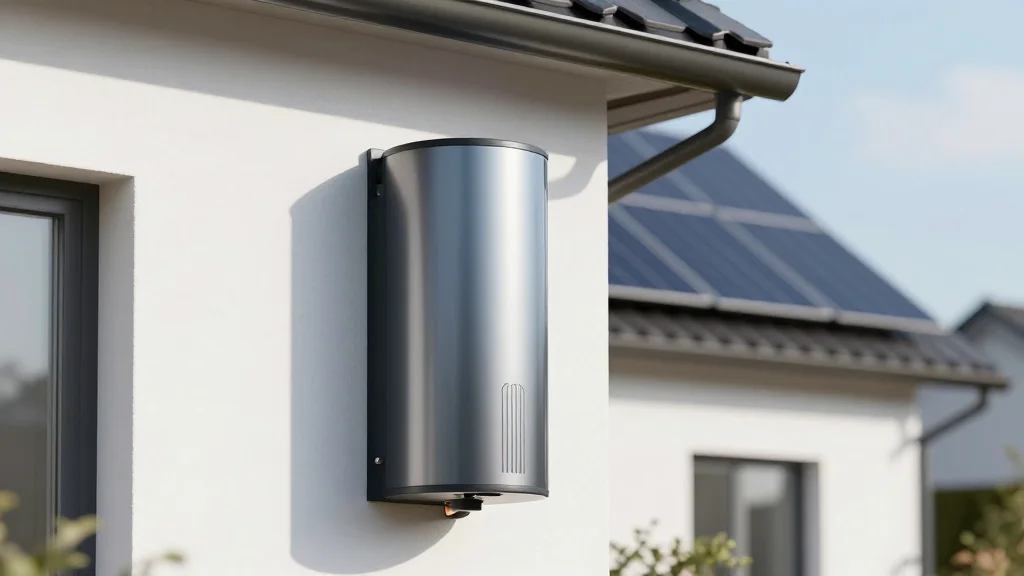
Germany Adds Record 1 GWh of Battery Storage in March
Why It Matters
The surge in battery storage bolsters Germany’s grid flexibility and accelerates its renewable‑energy targets, while signaling strong consumer and investor confidence in distributed energy solutions. This growth positions Germany as a leading European market for stationary storage, influencing policy and supply‑chain dynamics.
Key Takeaways
- •Germany added ~1 GWh battery storage in March, a record
- •45,000 residential PV storage systems registered in March alone
- •Residential storage grew to 20.75 GWh, driving most growth
- •Large‑scale capacity rose to 5.06 GWh, 30 new units added
- •Total installed battery capacity reached 27.23 GWh across all segments
Pulse Analysis
Germany’s battery‑storage market hit a historic high in March, with nearly a gigawatt‑hour of new capacity recorded. The bulk of this expansion came from residential photovoltaic storage, where about 45,000 new units were registered, lifting the residential segment to 20.75 GWh. This grassroots momentum reflects homeowners’ desire for energy independence and cost savings, especially as electricity prices remain volatile. Meanwhile, utility‑scale projects added roughly 30 MWh, nudging large‑scale capacity to over 5 GWh, a sign that institutional investors are also committing capital to grid‑balancing assets.
The cumulative effect of these additions pushes total German battery capacity to 27.23 GWh, a critical buffer for a grid increasingly powered by intermittent renewables. By storing excess solar generation and releasing it during peak demand, these systems enhance grid stability and reduce reliance on fossil‑fuel peaker plants. The data also suggest a seasonal pattern: March’s surge follows a slower February, likely due to harsh winter weather that delayed installations. As the Energy‑Charts register continues to update, the final March figure may comfortably exceed the 1 GWh threshold, setting a new benchmark for future months.
For the broader European energy landscape, Germany’s rapid storage rollout serves as both a catalyst and a case study. Policymakers can draw lessons on the effectiveness of streamlined registration processes and incentives that encourage residential adoption. Investors see a growing market with diversified segments—from small balcony units to multi‑gigawatt projects—offering varied risk‑return profiles. As the country edges closer to its 2030 renewable targets, battery storage will be indispensable, shaping everything from grid planning to corporate sustainability strategies.
Germany adds record 1 GWh of battery storage in March
Comments
Want to join the conversation?
Loading comments...