Germany Bets Big on Industrial CCS with Carbon Contracts
Companies Mentioned
Why It Matters
The CCfD framework could unlock billions in private capital for hard‑to‑abate sectors, accelerating Europe’s climate targets while reshaping the competitive landscape for industrial decarbonisation technologies.
Key Takeaways
- •Germany launches $5.85bn CCfD scheme for cement decarbonisation
- •CCfDs guarantee investors if carbon prices stay low
- •Holcim's Lägerdorf plant targets 1.2 Mt CO₂ capture annually
- •Project costs rely on long‑term policy stability
Pulse Analysis
The Carbon Contracts for Difference model, first proven in renewable power markets, offers a price‑floor and ceiling for carbon‑intensive industries. By pledging up to €5 bn over 15 years, Germany aims to neutralise the uncertainty of the EU Emissions Trading System, which has historically fluctuated and discouraged long‑term CCUS investments. This policy leverages state‑backed subsidies to bridge the cost gap between current high‑expense capture technologies and future, potentially cheaper solutions, creating a more predictable investment climate for heavy industry.
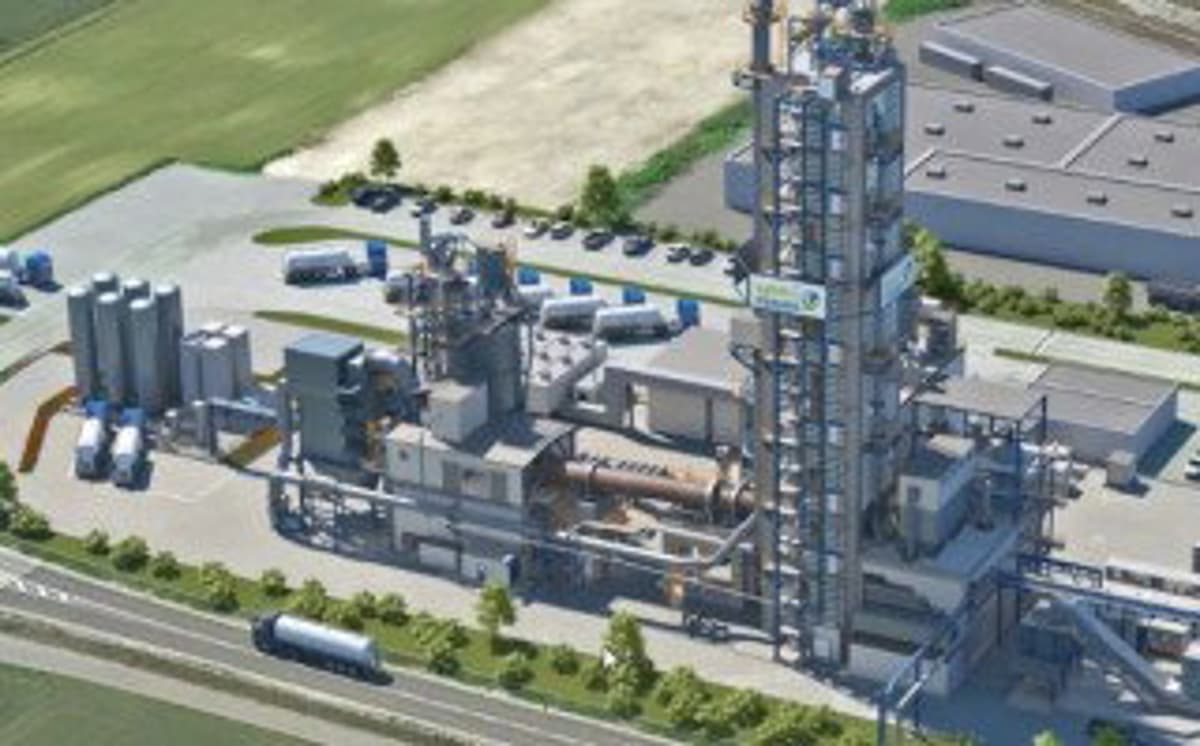
German cement producers are already positioning themselves to benefit. Holcim’s Carbon2Business project at the Lägerdorf plant, backed by EU Innovation Fund money, targets over 1.2 million tonnes of CO₂ removal each year, a scale that hinges on the CCfD’s financial certainty. Meanwhile, the Catch4Climate pilot at Schwenk Zement’s Mergelstetten facility, a €120 m (≈$140 m) effort, will test pure oxy‑fuel kilns, highlighting the high energy demand of air‑separation and the need for robust carbon transport infrastructure. Without clear pathways for pipelines and storage, such pilots risk remaining small‑scale experiments.
While the scheme promises to catalyse decarbonisation, it also raises market‑structure questions. Critics warn that long‑term subsidies could distort the EU ETS, give incumbents an unfair advantage, and lock the German state into costly commitments if carbon prices stay depressed. Moreover, heavy reliance on CCUS may sideline emerging low‑carbon binders and hydrogen‑based processes that could offer more sustainable pathways. Balancing state support with competitive neutrality will be crucial for the policy’s legitimacy across the EU single market and for ensuring that the most efficient, low‑carbon technologies receive funding.
Germany bets big on industrial CCS with Carbon Contracts
Comments
Want to join the conversation?
Loading comments...