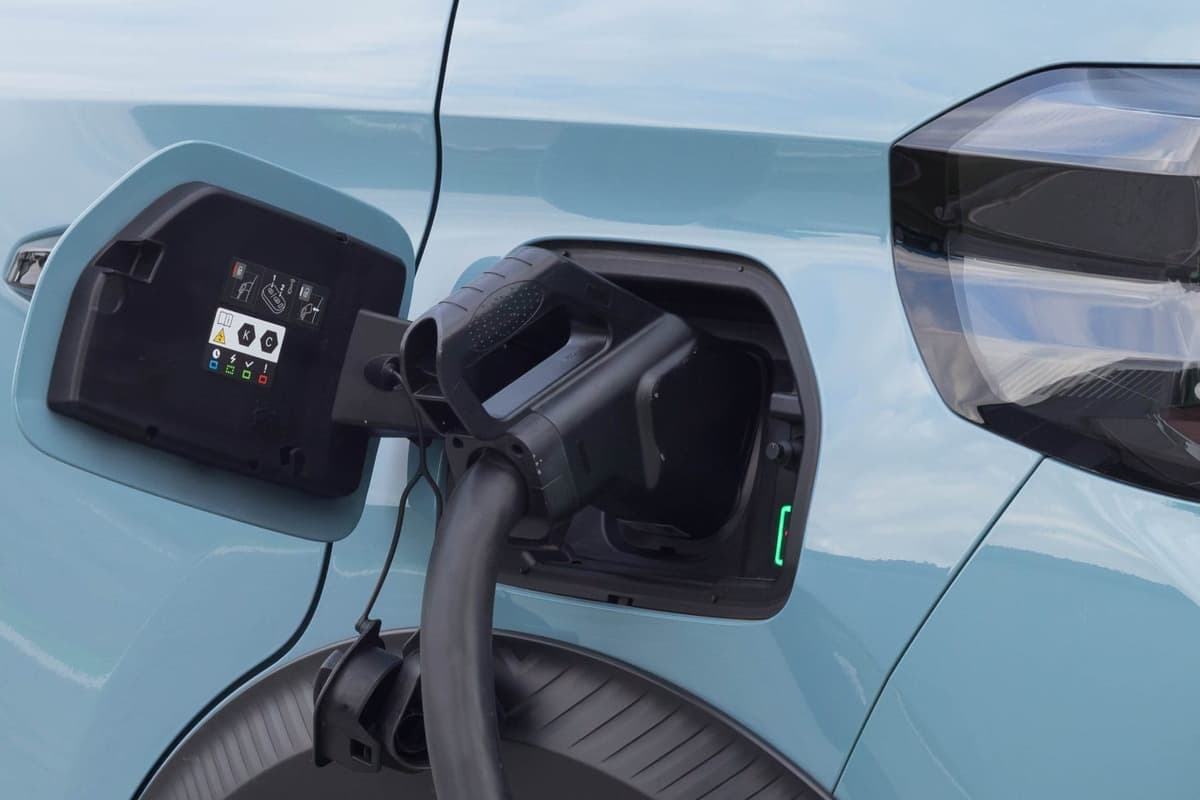
Germany Surpasses 200,000 Public Charging Points
Why It Matters
Accelerating charger deployment underpins Germany’s push to meet its 2030 EV target and eases range anxiety, while the surge in high‑power fast chargers shifts the market toward quicker top‑ups and greater grid integration. The data signals robust investment opportunities for utilities, operators and automotive OEMs.
Key Takeaways
- •Germany reached 200,255 public chargers, 17% YoY growth.
- •DC fast chargers now 51,253, adding 28% capacity to 8.5 GW.
- •North Rhine‑Westphalia leads with over 39,000 public points.
- •EnBW mobility+ operates the most chargers, 11,825 points.
- •Fast‑charging slots above 299 kW grew 41% YoY.
Pulse Analysis
Germany’s electric‑vehicle market is entering a critical scaling phase, and the latest figures from the Federal Network Agency underscore that momentum. With 200,255 publicly accessible charging points—a 17 % jump from a year ago—the nation now offers roughly 8.5 GW of charging capacity, up 28 % from 2025. This infrastructure expansion is essential for meeting the government’s goal of 10 million EVs on the road by 2030 and for alleviating range‑anxiety among consumers, especially in densely populated states such as North Rhine‑Westphalia, Bavaria, and Baden‑Württemberg.
The most striking development is the rapid growth of high‑power DC fast‑charging stations. The registry shows 51,253 fast chargers, with the ultra‑fast segment (above 299 kW) expanding by 41 % year‑on‑year. Operators like EnBW mobility+, E.ON Drive, and Tesla Germany are leading the rollout, collectively contributing over 2 GW of nominal capacity. This surge not only shortens charging times but also places new demands on the electricity grid, prompting utilities to invest in renewable‑linked storage and smart‑charging solutions to balance load and maintain grid stability.
For investors and industry stakeholders, the data signals a fertile landscape for capital deployment. The shift toward higher‑power chargers creates opportunities for hardware manufacturers, software platforms that manage charging sessions, and energy firms seeking to monetize excess renewable generation. As Germany cements its role as Europe’s largest EV market, continued policy support and coordinated grid planning will be pivotal in sustaining this growth trajectory and in positioning the country as a benchmark for fast‑charging infrastructure worldwide.
Germany surpasses 200,000 public charging points
Comments
Want to join the conversation?
Loading comments...