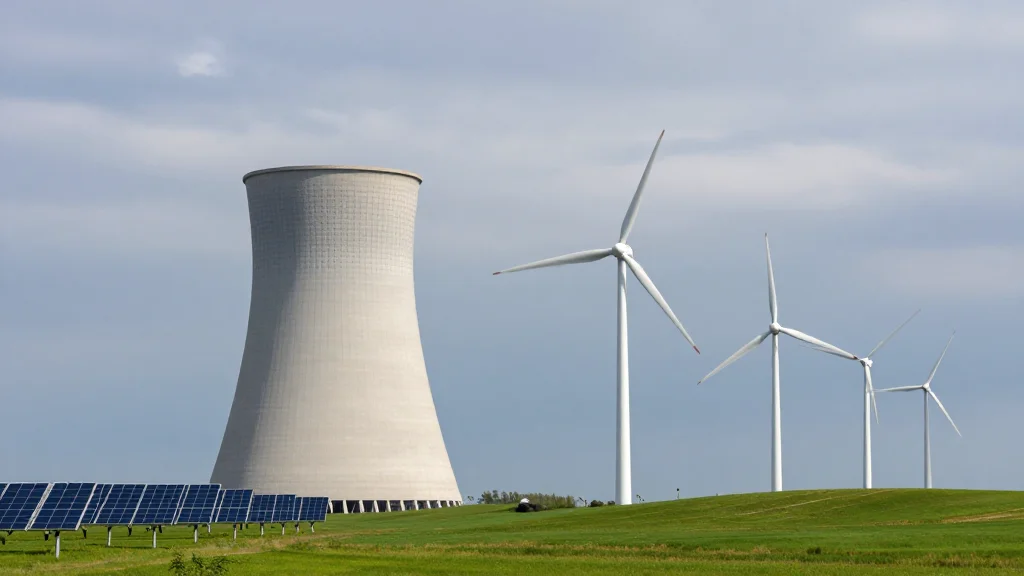
Germany’s Chancellor Labels Nuclear Phase‑Out a Strategic Mistake, Fueling Energy Debate

Why It Matters
Germany’s energy policy influences the broader European approach to decarbonisation and energy security. A reversal on nuclear could lower electricity costs, reduce reliance on volatile gas imports, and provide a stable baseload for expanding renewable capacity. Conversely, reinstating nuclear may face public resistance and regulatory hurdles, potentially delaying climate targets. The debate also signals to other nations that the trade‑off between rapid emissions cuts and reliable power supply remains unsettled, shaping investment decisions across the continent. Furthermore, the discussion highlights the fragility of the current energy transition model, which leans heavily on intermittent sources without sufficient storage or backup. If Germany adjusts its strategy, it could set a precedent for other EU members grappling with similar grid stability challenges, prompting a reassessment of the EU’s net‑zero timeline and its reliance on imported fuels.
Key Takeaways
- •Chancellor Friedrich Merz called the nuclear phase‑out a "serious strategic mistake" at a Berlin press conference.
- •Germany’s electricity prices have risen over 70% since the Ukraine war, intensifying public backlash.
- •South Africa’s Energy Minister Gwede Mantashe warned against abandoning reliable baseload power.
- •Japan is restarting reactors after a total shutdown post‑Fukushima, illustrating a global policy shift.
- •EU energy‑security discussions and Germany’s upcoming parliamentary debate could reshape the continent’s net‑zero roadmap.
Pulse Analysis
Merz’s blunt assessment cuts to the core of a policy paradox that has defined Germany’s energy narrative for a decade. The original Energiewende promised a clean, affordable transition, yet the rapid nuclear shutdown left a vacuum that was filled by expensive gas imports and costly subsidies for intermittent renewables. The resulting price spikes have eroded public support, creating fertile ground for a policy pivot. Historically, Germany’s energy decisions have been driven as much by political symbolism as by market fundamentals; the nuclear exit was as much a statement against nuclear risk as a strategic bet on renewables. Now, faced with a reality of high bills and grid stress, the symbolic value is being re‑evaluated against economic imperatives.
If Germany moves to extend the life of its existing reactors or green‑light new builds, it could catalyse a broader EU reconsideration of nuclear as a bridge technology. This would likely lower wholesale electricity prices, improve grid reliability, and reduce the bloc’s exposure to Russian gas. However, any nuclear revival must navigate stringent safety standards, waste‑management concerns, and a public still wary of nuclear accidents. The political calculus will therefore hinge on whether the perceived benefits—energy security and cost containment—outweigh the environmental and societal costs.
In the longer term, Merz’s comments may accelerate a diversification of Europe’s baseload portfolio, encouraging a mix that includes not only nuclear but also emerging technologies such as advanced storage, green hydrogen, and carbon‑capture‑enabled gas plants. The debate underscores that a one‑size‑fits‑all net‑zero pathway is unrealistic; instead, national contexts will dictate the optimal blend of clean and reliable energy sources. Germany’s next steps will be watched closely as a bellwether for how Europe balances climate ambition with the practicalities of power supply.
Germany’s Chancellor Labels Nuclear Phase‑Out a Strategic Mistake, Fueling Energy Debate
Comments
Want to join the conversation?
Loading comments...