Germany’s Gas Exit Under Way as Challenges in Heating and Industry Linger
Why It Matters
The pace and policy choices of Germany’s gas phase‑out will shape Europe’s broader decarbonisation trajectory and influence investment in renewables, hydrogen and grid modernization. Delays could cement fossil‑fuel assets, raising long‑term costs and emissions.
Key Takeaways
- •Germany imports 95% of its gas, limiting domestic supply options.
- •Gas accounts for 27% of Germany’s energy mix, highest since 1990.
- •Heat‑pump sales now outpace gas‑boiler sales in new German homes.
- •Planned LNG deal secures up to 1 Mt annually from Canada by 2030s.
- •No roadmap exists for Germany’s gas phase‑out before 2045.
Pulse Analysis
Germany’s gas exit is at a crossroads, with policymakers juggling short‑term security and long‑term climate goals. The country still imports roughly 95% of its natural gas, making it vulnerable to geopolitical shocks, yet it is approving new LNG contracts—such as a tentative 1 million‑tonne‑per‑year deal with a Canadian supplier that could run into the 2030s. These imports are framed as a bridge for industry and power generation, but they risk entrenching fossil‑fuel infrastructure at a time when the EU’s emissions‑trading system is tightening carbon prices.
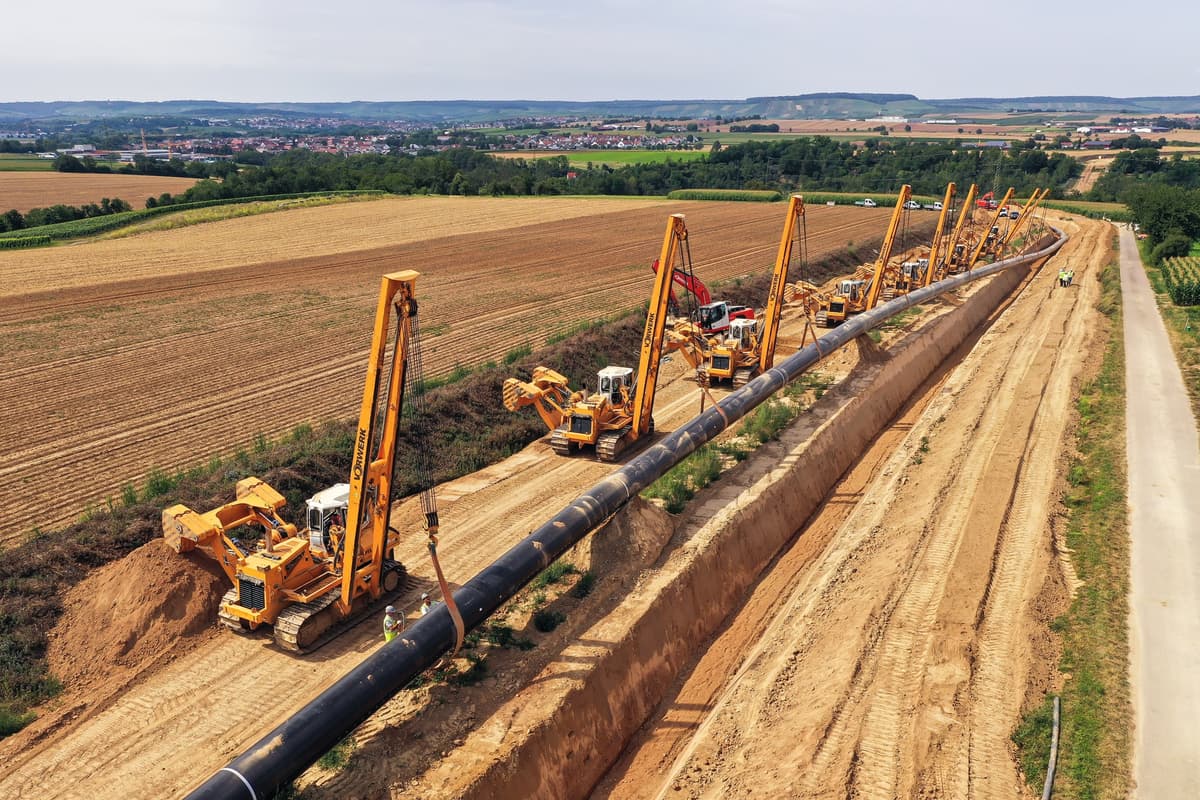
The biggest obstacle lies in the heating sector, where about 30% of gas consumption powers homes and 13% fuels district heating. Heat‑pump adoption is finally overtaking gas‑boiler sales in new constructions, but retrofitting the nation’s dense stock of older apartments remains costly and politically sensitive. Landlords are increasingly shouldering carbon‑price charges, and rising gas‑grid fees threaten to make the remaining network financially unsustainable. Without a legal framework to disconnect reluctant consumers, municipalities face uncertainty about how to decommission roughly 600,000 km of pipeline.
Industry adds another layer of complexity. Heavy‑industry processes—steel, chemicals, glass—still rely on gas for high‑temperature heat, and the promised green‑hydrogen substitution is hampered by high production costs and limited scale. While Germany’s coal phase‑out stays on track, the lack of a concrete gas‑exit roadmap means the 2045 climate‑neutrality target may be met only through gradual demand reductions rather than a decisive shutdown. Aligning policy, financing, and technology deployment now will be crucial to avoid locking in decades of fossil‑fuel use.
Germany’s gas exit under way as challenges in heating and industry linger
Comments
Want to join the conversation?
Loading comments...