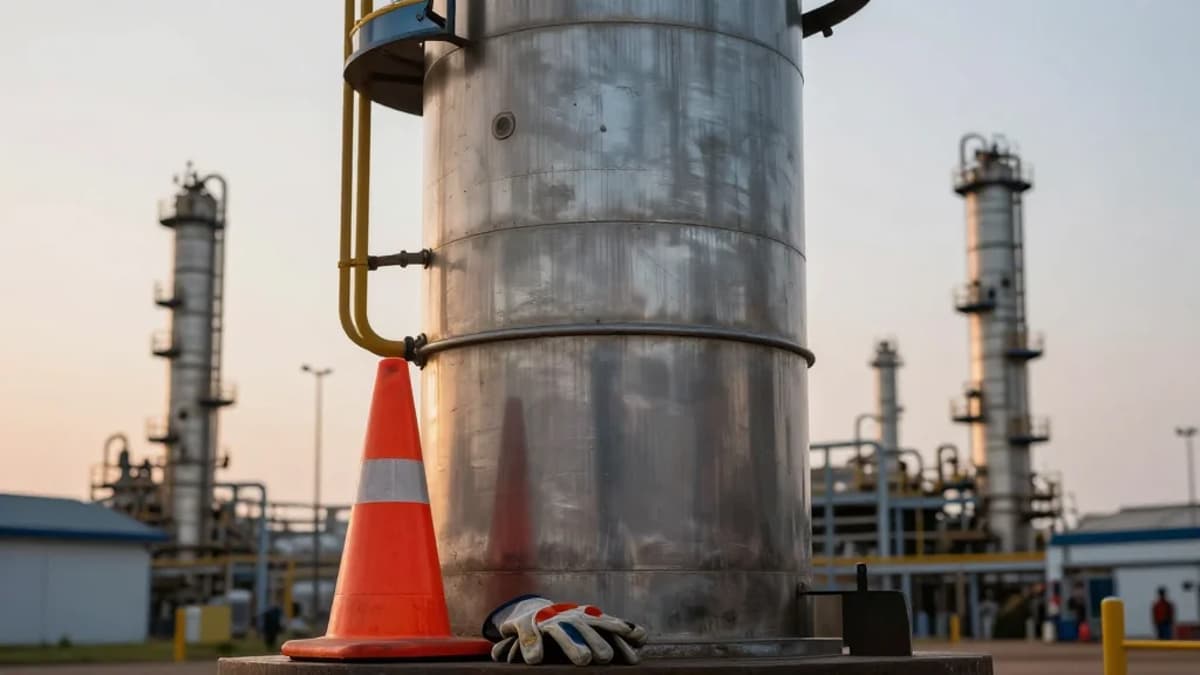
Ghana's Tema Refinery Says RFCC Due Online by May
•February 23, 2026
0
Why It Matters
Restoring the RFCC could cut Ghana’s gasoline import bill and improve refinery profitability, while the reformer upgrade points to a strategic shift toward higher‑value fuel production.
Key Takeaways
- •TOR's 14,000 b/d RFCC offline since December restart
- •Turnaround scheduled to finish by early May 2024
- •Gasoline imports steady at 48,000 b/d, down YoY
- •TOR seeks 10,000 b/d continuous catalytic reformer
- •Company hunting investors for reformer upgrade project
Pulse Analysis
Ghana’s downstream sector has long hinged on the performance of the Tema Oil Refinery, the country’s largest processing hub. The residual fluid catalytic cracker (RFCC) is a critical conversion unit that transforms heavy residues into lighter, market‑ready fuels such as gasoline and diesel. Its prolonged outage since the refinery’s December restart has constrained TOR’s ability to meet domestic demand, forcing reliance on imported gasoline. The upcoming turnaround, scheduled for completion by early May, is therefore a pivotal operational milestone that could restore a key source of value‑added product.
The immediate market impact of the RFCC’s return is nuanced. While gasoline imports have held steady at roughly 48,000 b/d—only a modest dip from the same period last year—the refinery’s overall output mix remains constrained. Analysts expect that once the RFCC is back online, TOR will be able to increase its gasoline yield, easing import pressures and potentially narrowing the country’s fuel trade deficit. This shift also improves the refinery’s margin structure, as higher‑value gasoline commands better pricing than the heavier streams the RFCC typically processes.
Beyond the RFCC, TOR’s ambition to swap a 6,500 b/d catalytic reformer for a 10,000 b/d continuous catalytic reformer signals a broader modernization drive. Continuous catalytic reforming offers superior efficiency and product flexibility, aligning the refinery with global best practices. However, the capital intensity of such upgrades means TOR is actively courting investors to fund the project. Successful financing would not only boost domestic fuel quality but also position Ghana’s refining sector for greater resilience amid volatile global oil markets.
Ghana's Tema refinery says RFCC due online by May
0
Comments
Want to join the conversation?
Loading comments...