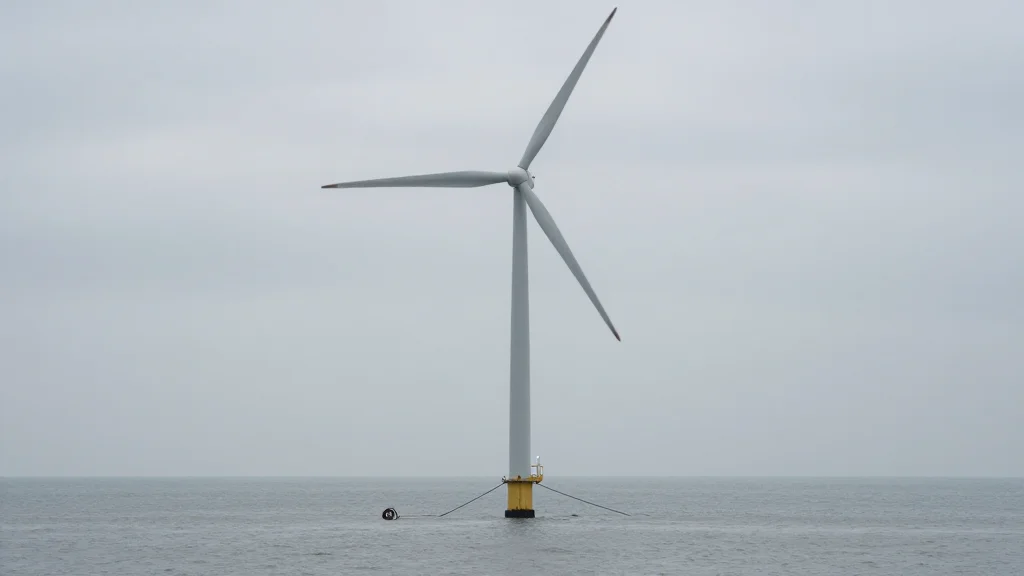
Global Briefing: White House to Pay $900m to Stop Two More US Offshore Wind Projects
Why It Matters
By diverting nearly a billion dollars from renewable development, the administration slows U.S. offshore wind growth and raises concerns about policy stability for clean‑energy investors.
Key Takeaways
- •White House allocated $900 million to cancel two offshore wind projects
- •Payments aim to reimburse developers for sunk costs and lease fees
- •Move reflects Trump administration’s broader strategy to curb renewable expansion
- •Cancellation could delay U.S. offshore wind capacity growth by several gigawatts
- •Industry groups warn the funds set precedent for future project terminations
Pulse Analysis
The $900 million settlement underscores a stark policy shift under the Trump administration, which has repeatedly questioned the economic viability of offshore wind. While supporters argue the move protects taxpayers from costly subsidies, critics contend it undermines the United States’ climate commitments and erodes investor confidence. By compensating developers for contract breaches, the government signals that political considerations can outweigh market signals, potentially prompting developers to reassess risk models for future projects.
Offshore wind has been touted as a cornerstone of the nation’s clean‑energy roadmap, with the Department of Energy targeting 30 GW of capacity by 2030. The cancellation of two projects—each projected to generate between 1 and 2 GW—represents a tangible loss in that trajectory, delaying jobs, tax revenues, and local economic benefits. Moreover, the financial outlay sets a precedent that could encourage other developers to seek similar buyouts, creating a feedback loop that stalls pipeline momentum.
For investors and policymakers, the episode highlights the importance of stable, long‑term regulatory frameworks. Consistent incentives, clear permitting processes, and transparent cost‑share mechanisms are essential to attract capital to offshore wind, which remains capital‑intensive and technically complex. As the U.S. grapples with energy security and decarbonization goals, ensuring that policy actions support rather than sabotage renewable projects will be critical to meeting both economic and environmental objectives.
Global Briefing: White House to pay $900m to stop two more US offshore wind projects
Comments
Want to join the conversation?
Loading comments...