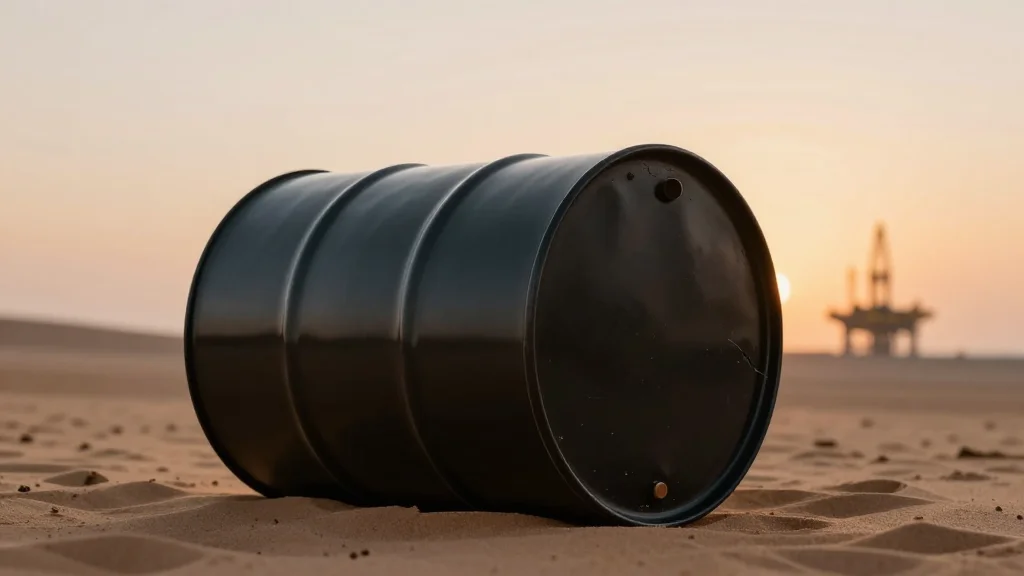
Global Oil Dynamics Enter Volatile Phase After UAE Decision: Peter McGuire
Why It Matters
UAE’s exit threatens OPEC+ supply discipline, likely driving higher oil prices and reshaping global trade flows. The shift underscores the fragility of producer alliances amid geopolitical uncertainty.
Key Takeaways
- •UAE exits OPEC+, reducing alliance output by ~12%
- •Market expects WTI to climb toward $120 amid supply doubts
- •Geopolitical tensions could keep oil prices on an upward trajectory
- •Fujairah may become a key export hub for buyers
- •OPEC+ cohesion faces a ‘chink in the armour’ risk
Pulse Analysis
The United Arab Emirates’ abrupt decision to leave the OPEC+ framework marks a pivotal moment for the global oil market. Historically, the alliance has acted as a price‑stabilizing mechanism, coordinating output cuts among its members. By withdrawing, the UAE not only removes roughly 12% of the group’s collective supply but also signals a strategic pivot toward domestic fiscal needs. This move challenges the credibility of OPEC+ and forces other producers to reassess their own output strategies, especially as the bloc grapples with internal cohesion and external pressure.
In the immediate aftermath, crude prices have surged, with WTI trading near $100 and analysts projecting a climb toward $120 if supply constraints persist. The price rally reflects market anxiety over reduced supply discipline and heightened geopolitical risk, particularly in regions like the Middle East and Eastern Europe. Traders are pricing in a premium for oil that could become scarcer, while import‑dependent economies such as India brace for higher energy costs. The volatility also opens opportunities for speculative positions, but it raises concerns about inflationary pressures on global economies still recovering from recent downturns.
Beyond pricing, the UAE’s exit reshapes logistical dynamics in the region. Fujairah, with its deep‑water port and proximity to key shipping lanes, is poised to become a preferred hub for buyers seeking alternative supply routes. This shift could accelerate infrastructure investments and diversify export pathways away from traditional Gulf ports. Meanwhile, OPEC+ must confront a "chink in the armour" as member confidence wanes, prompting potential reforms or tighter coordination among remaining participants. The evolving landscape underscores the interconnectedness of geopolitics, production policy, and market sentiment, making the next few months critical for oil‑dependent stakeholders.
Global oil dynamics enter volatile phase after UAE decision: Peter McGuire
Comments
Want to join the conversation?
Loading comments...