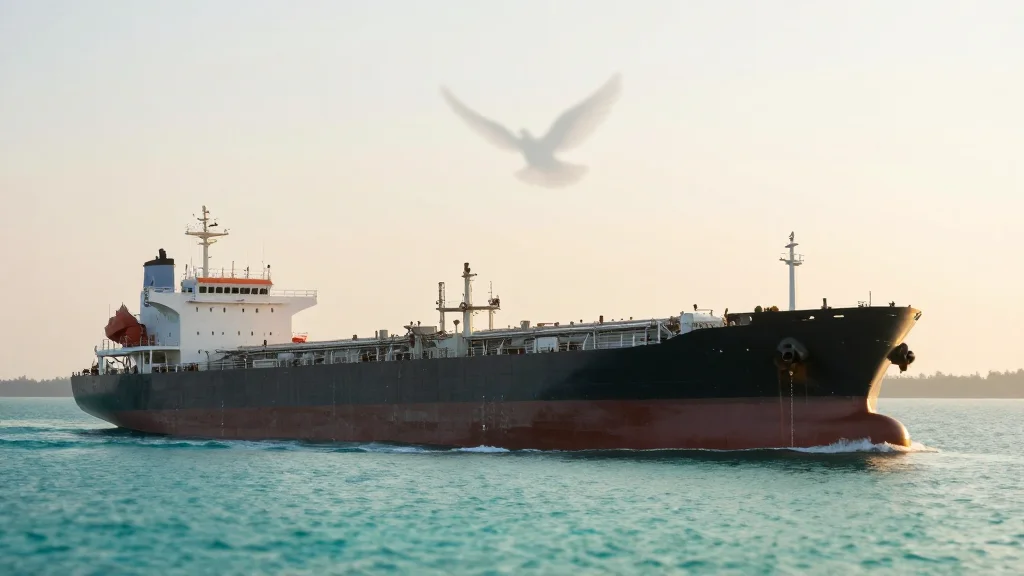
Global Oil Prices Break Below $80 for the First Time Since the Iran War Began. Ships Still Aren’t Passing Through Hormuz.
Why It Matters
The price break signals that geopolitical de‑escalation can quickly lower energy costs, but lingering shipping constraints mean volatility may persist. Investors and policymakers must monitor Hormuz traffic to gauge when lower prices become sustainable.
Key Takeaways
- •Oil futures slipped below $80/barrel, first since Iran war
- •U.S. and Iran signed initial cease‑fire extension agreement
- •Strait of Hormuz traffic remains below normal tanker volumes
- •Analysts warn price gap persists between ‘oil can flow’ and ‘normal flow’
Pulse Analysis
The recent slide of Brent and WTI crude under the $80 threshold reflects the market’s immediate reaction to diplomatic headlines rather than a fundamental shift in supply‑demand fundamentals. The tentative cease‑fire agreement reached on Sunday between Washington and Tehran removes the most acute risk of a total shutdown of the Strait of Hormuz, the world’s narrowest chokepoint for oil transport. Traders, however, remain cautious because the agreement is only an initial step; the actual resumption of tanker movements will depend on security guarantees and the removal of naval mines that have lingered since the conflict began.
Even as the cease‑fire eases geopolitical tension, data from maritime tracking firms show that only a fraction of the typical daily tanker volume is navigating Hormuz. This limited flow sustains a risk premium in oil pricing, as market participants price in the possibility of renewed hostilities or accidental incidents that could again choke the waterway. The disparity between "oil can flow again" and "oil is flowing normally, safely and cheaply" creates a pricing gap that analysts expect to narrow only when consistent, high‑volume shipments resume without interruption.
For the broader economy, sub‑$80 crude offers a modest reprieve for consumers and industries reliant on petroleum, potentially easing inflationary pressures that have lingered since the war’s onset. Yet the durability of this relief hinges on the durability of the peace process and the speed at which Hormuz traffic normalizes. Investors should watch for any diplomatic setbacks, as even minor escalations could swiftly push prices back above $90, re‑inflating cost structures across transportation, manufacturing, and downstream energy sectors.
Global oil prices break below $80 for the first time since the Iran war began. Ships still aren’t passing through Hormuz.
Comments
Want to join the conversation?
Loading comments...