Goldman Cuts Q2 Oil to $90/$87, Keeps $82/$80 Brent and $77/$75 WTI Outlook
Companies Mentioned
Why It Matters
The downgrade signals that market pricing is responding to reduced Middle‑East supply risk, which could lower cost pressures for energy‑intensive industries. However, unchanged long‑term forecasts underline that broader demand resilience and limited supply will keep oil prices relatively firm.
Key Takeaways
- •Goldman cuts Q2 Brent to $90, WTI to $87 per barrel.
- •Risk premium drop driven by easing Hormuz tensions.
- •Front‑month futures repriced lower, back‑half 2026 forecasts unchanged.
- •Long‑term Brent forecast remains $82/$80, WTI $77/$75.
- •Structural supply‑demand balance still supports oil prices.
Pulse Analysis
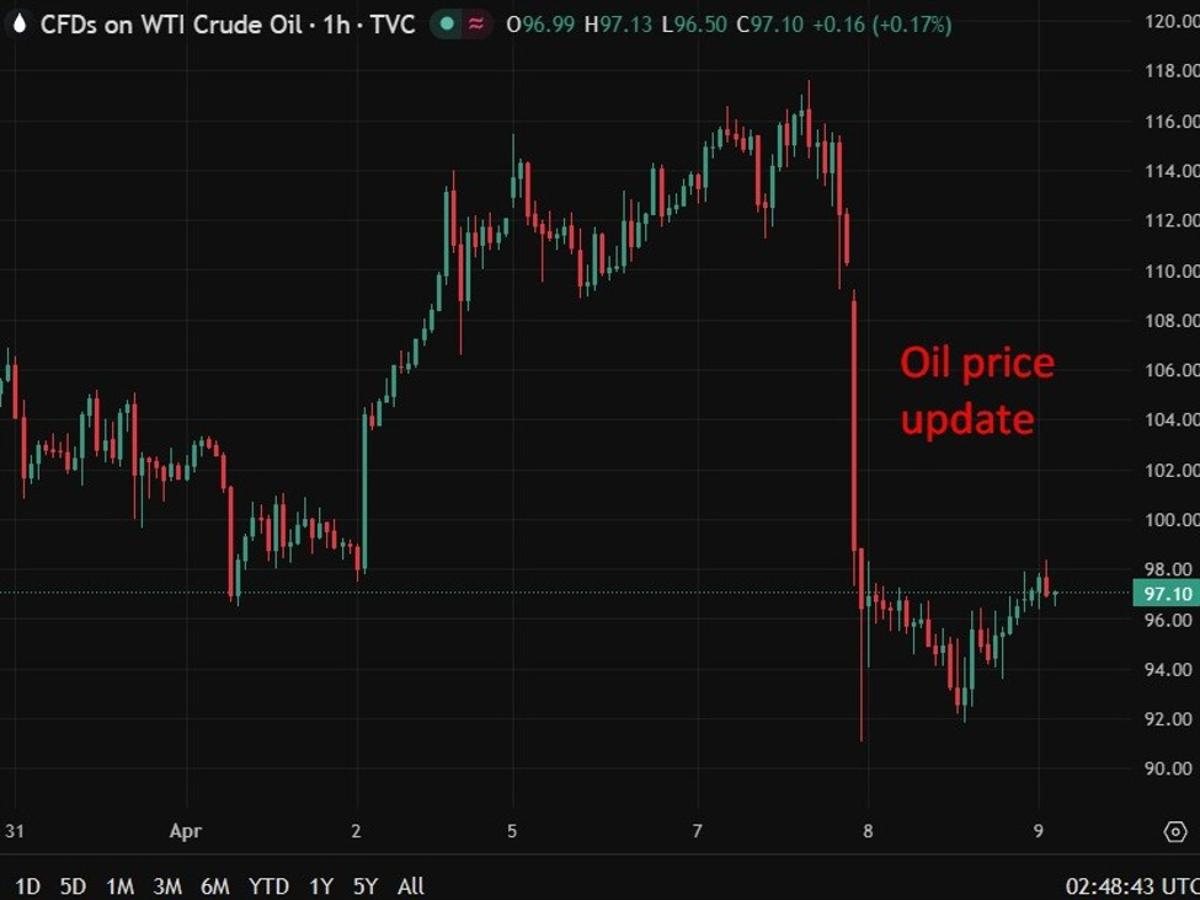
The latest revision from Goldman Sachs comes on the heels of a tentative U.S.–Iran ceasefire that has eased fears of a prolonged shutdown of the Strait of Hormuz, the world’s most critical chokepoint for crude oil. With tanker traffic showing early signs of normalization, the geopolitical risk premium that previously inflated front‑month futures has contracted sharply. Analysts note that the risk‑adjusted spread between spot and near‑term contracts narrowed, allowing Goldman to trim its Q2 Brent projection to $90 and WTI to $87 per barrel. This move reflects a market recalibration rather than a fundamental shift in supply.
Goldman’s methodology separates short‑term pricing, which is highly sensitive to news flow, from longer‑term fundamentals that drive the 2026 curve. While the front‑end of the curve was repriced lower, the bank left its back‑half outlook untouched, maintaining Brent at $82/$80 and WTI at $77/$75 for the third and fourth quarters. Consequently, the unchanged long‑term numbers signal confidence that global demand growth and constrained upstream investment will keep the market tight. For traders, the divergence creates a potential basis trade between near‑term and later contracts.
Even as the immediate risk premium recedes, the structural supply‑demand balance remains a key price driver. Global oil consumption is projected to rise steadily, while OPEC+ production cuts and limited new field development constrain supply growth. Consequently, energy‑intensive sectors may still face elevated input costs, and investors should monitor any resurgence of geopolitical tension that could reignite the premium. Goldman’s split outlook underscores the importance of distinguishing transient risk factors from enduring market fundamentals when forming investment strategies in the volatile energy space.
Goldman cuts Q2 oil to $90/$87, keeps $82/$80 Brent and $77/$75 WTI outlook
Comments
Want to join the conversation?
Loading comments...