Why It Matters
The withdrawal signals that volatile supply chains and rigid funding timelines can derail ambitious clean‑energy projects, potentially slowing Europe’s offshore wind rollout. It also raises questions about the effectiveness of government‑backed incentives for emerging technologies.
Key Takeaways
- •GoliatVIND withdrew licence application for floating offshore wind project
- •Enova pulled $220 million support after deadline missed
- •Supply‑chain delays prevent project completion within five‑year window
- •Project aimed to cut emissions from Norway’s oil and gas sector
- •Withdrawal signals challenges for European offshore wind demonstration schemes
Pulse Analysis
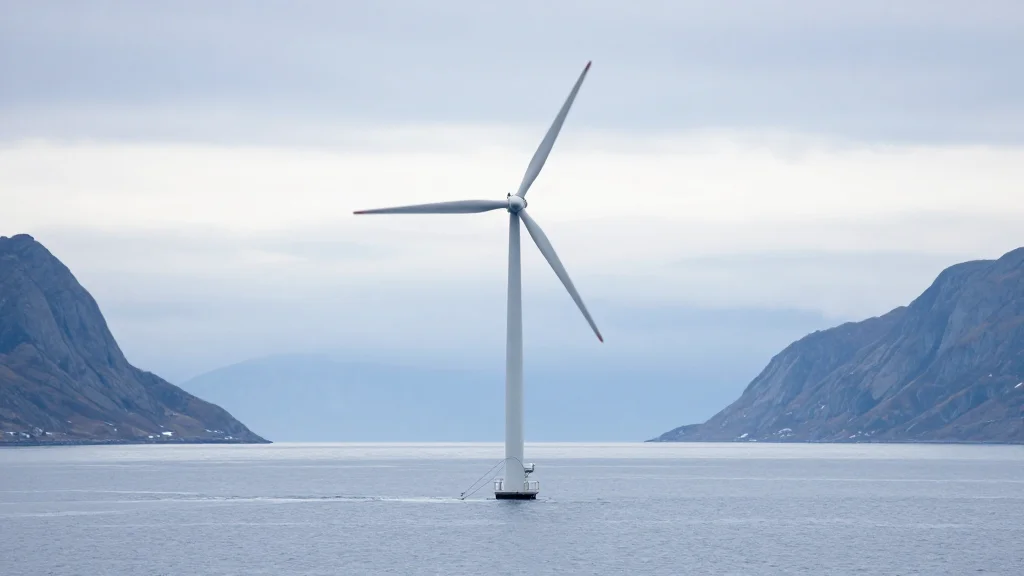
The GoliatVIND consortium launched a floating offshore wind demonstration in 2023, targeting the reduction of carbon emissions from Norway’s oil and gas operations. The project was part of the Norwegian government’s broader ambition to scale floating wind capacity in the North Sea, leveraging Norway’s deep‑water expertise. By positioning turbines on a semi‑submersible platform, GoliatVIND intended to prove that offshore wind could be integrated with existing hydrocarbon infrastructure, offering a pathway to decarbonise a traditionally high‑emission sector. The initiative also attracted interest from several European utilities seeking to replicate the model.
In March 2024, the state‑run agency Enova pledged roughly NOK 2 billion—about $220 million—to underwrite the project, conditional on the plant becoming operational within five years. The funding was to be released only after a final investment decision, tying financial support to a strict timeline. However, escalating supply‑chain bottlenecks, rising steel prices and shifting market dynamics delayed key component deliveries, making the five‑year deadline unattainable. The consortium explored alternative financing but could not secure sufficient capital before the deadline. Faced with these setbacks, Enova withdrew its award, prompting the consortium to pull its licence application.
The GoliatVIND setback underscores the fragility of large‑scale offshore wind pilots in a volatile global market. Investors now see heightened risk in projects that depend on tight government timelines and uncertain supply chains, potentially slowing the rollout of floating wind in Europe. Policymakers may need to redesign incentive structures, offering more flexible milestones or shared‑risk financing to keep innovation pipelines alive. For Norway, the loss of a high‑visibility demonstration could delay its goal of becoming a leader in offshore renewable integration, prompting a reassessment of how public funds are allocated to emerging clean‑energy technologies. A more resilient approach could involve staged deployments that align with realistic supply‑chain recovery timelines.
GoliatVIND withdraws licence application
Comments
Want to join the conversation?
Loading comments...