'Good News' May Come in the Next Few Hours: Rubio on West Asia Conflict
Why It Matters
Reopening the Strait of Hormuz would alleviate a major bottleneck in global oil transport, stabilizing energy prices and reducing geopolitical risk. The breakthrough also signals a potential de‑escalation of U.S.–Iran tensions, impacting markets and regional security dynamics.
Key Takeaways
- •US and Iran made progress on opening Strait of Hormuz.
- •Rubio hints at announcement within hours, pending Trump’s decision.
- •India and Pakistan seek diversified energy sources to keep prices low.
- •Cease‑fire since April 8 remains fragile, shipping disruptions persist.
Pulse Analysis
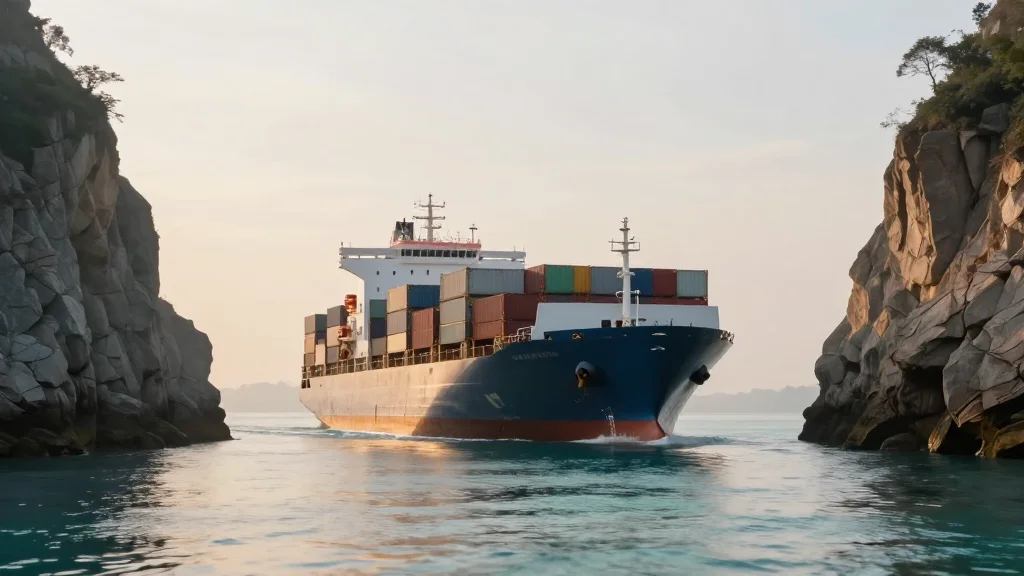
The Strait of Hormuz, through which roughly 20% of the world’s oil flows, has been a flashpoint since the February 28 U.S.-Israel strikes on Iran. Disruptions have forced tankers to reroute, inflating freight costs and adding pressure to already volatile energy markets. Rubio’s remarks suggest diplomatic channels are finally moving past the stalemate, with a focus on a nuclear‑free Iran and unimpeded maritime commerce, a combination that could quickly reverse the price spikes seen over the past months.
Behind the headlines, a complex web of regional actors is aligning to support a resolution. India’s external affairs minister highlighted the strategic imperative of secure, affordable energy, while Pakistan’s leadership has hosted multiple rounds of talks, positioning Islamabad as a neutral convenor. Simultaneously, President Trump’s outreach to Gulf allies—including Saudi Arabia, Qatar, and the United Arab Emirates—underscores a coordinated push to stabilize the Gulf corridor, a move that could pave the way for a broader multilateral framework.
If the anticipated announcement materializes, the immediate impact would be a sharp decline in oil freight premiums and a steadier benchmark for crude prices, benefitting both consumers and industries reliant on energy inputs. Longer‑term, a durable agreement could reduce the risk of military confrontations in the region, encouraging investment in downstream infrastructure and fostering a more predictable environment for global trade. Stakeholders across the energy value chain should monitor forthcoming statements closely, as the outcome will likely reshape market expectations for the remainder of 2026.
'Good news' may come in the next few hours: Rubio on West Asia conflict
Comments
Want to join the conversation?
Loading comments...