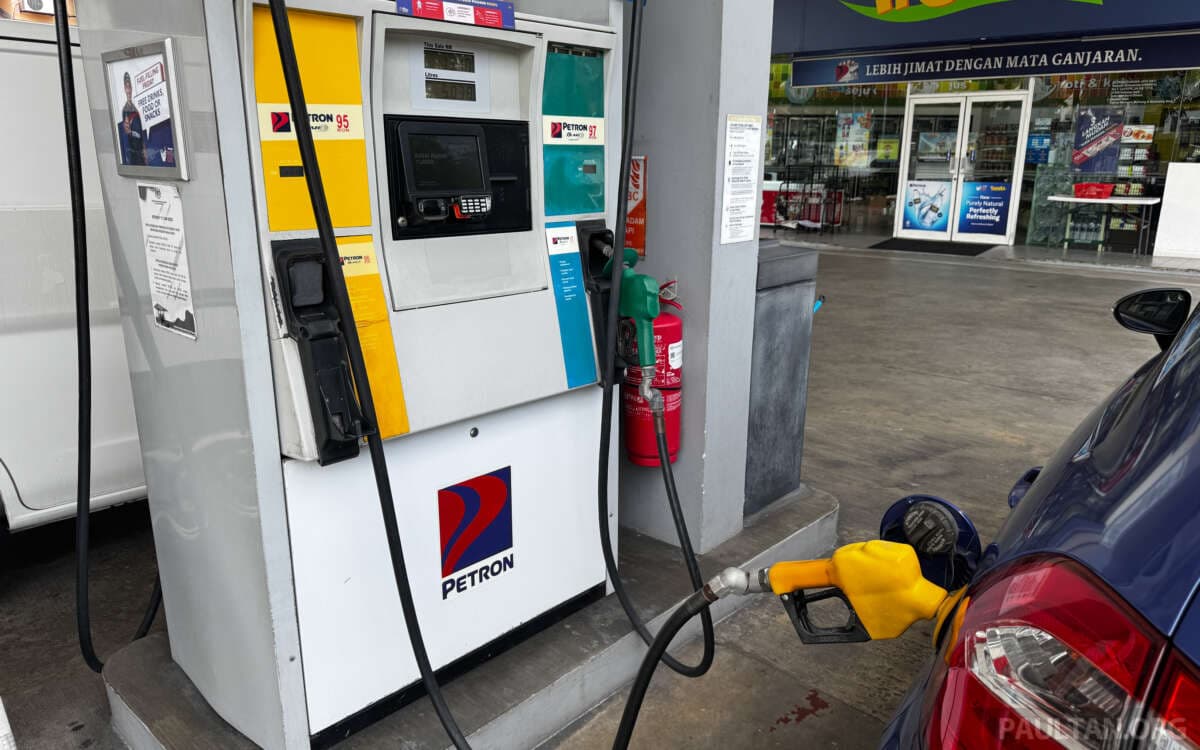
Gov’t Chose Budi95 Quota Adjustment Rather than Price Hike to Protect Majority of Malaysians – Amir Hamzah
Why It Matters
By adjusting the quota rather than raising prices, the government preserves household purchasing power and limits fiscal strain on the fuel subsidy program, while the higher diesel assistance cushions vulnerable sectors against volatile international markets.
Key Takeaways
- •Quota cut to 200 L, 90% unaffected.
- •Average Malaysian uses ~100 L/month, below new limit.
- •Diesel aid raised to RM300 (~$66) per recipient.
- •Price hike avoided, protecting low‑income consumers.
- •MyKad pilot considered to curb diesel leakage.
Pulse Analysis
The Budi95 scheme, Malaysia’s flagship RON 95 subsidy, has long balanced affordable fuel with fiscal sustainability. As global crude prices surged—oil benchmarks climbing roughly 80 % and diesel up 160 %—the government faced a dilemma: raise the subsidised price or tighten the allocation. Opting for the latter, officials reduced the monthly quota to 200 litres, a level still well above the average 100‑litre consumption of most drivers. This approach avoids a direct price jump from RM1.99 (about $0.44) to RM2.05 (about $0.45) per litre, protecting the purchasing power of the majority.
Economically, the quota adjustment curtails potential budget overruns while shielding low‑income households from higher out‑of‑pocket costs. Simultaneously, the diesel assistance program was expanded from RM200 (≈$44) to RM300 (≈$66) per eligible farmer or individual, directly offsetting the steep rise in diesel prices and reducing incentives for fuel smuggling. The finance ministry also signalled a longer‑term strategy: leveraging MyKad smart‑card data to target subsidies more precisely, a move that could cut leakage and improve transparency across the fuel subsidy ecosystem.
Looking ahead, Malaysia’s policy mix underscores a broader regional trend of using quota controls and targeted cash transfers to navigate volatile energy markets. While the temporary quota cut eases immediate consumer pressure, its effectiveness will hinge on accurate consumption monitoring and the successful rollout of MyKad‑based targeting. If implemented well, the approach could serve as a model for other oil‑importing nations seeking to balance social welfare with fiscal prudence amid ongoing geopolitical uncertainties.
Gov’t chose Budi95 quota adjustment rather than price hike to protect majority of Malaysians – Amir Hamzah
Comments
Want to join the conversation?
Loading comments...