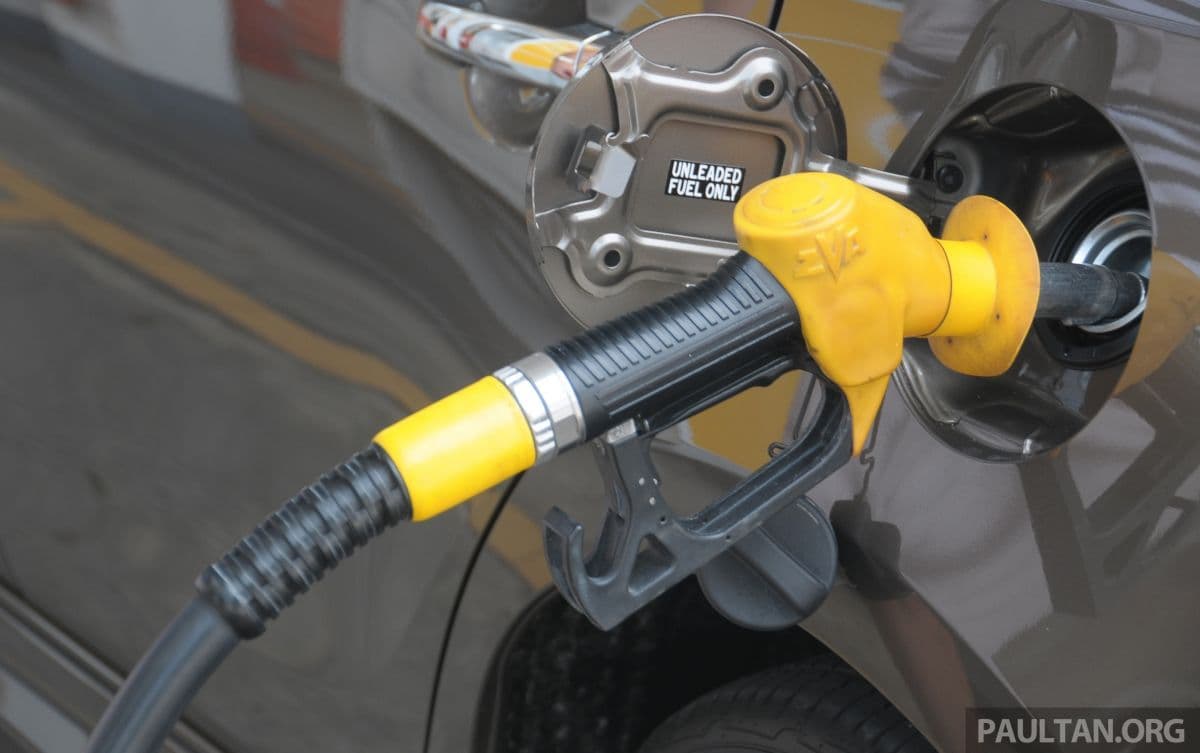
Gov’t Considering Reducing Budi95 Quota to 150L, 60% of Malaysians Use Less RON95 than that – Deputy FM
Why It Matters
Reducing the quota directly trims Malaysia’s fuel‑subsidy bill, easing fiscal pressure while targeting leakage. The move also signals a shift toward market‑based pricing for a key transport input.
Key Takeaways
- •Budi95 quota may drop to 150 L per month, down from 200 L
- •60% of Malaysians already consume under 150 L of RON 95 monthly
- •Subsidy price stays at RM1.99 (~$0.44) per litre
- •Government aims to cut fuel subsidy burden and curb leakage
- •90% of drivers unlikely to feel impact from the quota cut
Pulse Analysis
The Budi Madani RON 95 programme, launched last year with a generous 300‑litre monthly allowance, has been steadily scaled back as Malaysia grapples with soaring global oil prices and a widening fiscal gap. After a March adjustment to 200 litres, policymakers now propose a 150‑litre cap, reflecting data that shows a majority of drivers consume far less. Maintaining the subsidised rate at RM1.99 per litre—roughly $0.44—keeps the headline price low, but the reduced volume aims to curb the subsidy’s ballooning cost to the national budget.
Consumption patterns underpin the policy shift. Surveys indicate 80% of motorists use under 200 litres, and 60% stay below 150 litres each month. By aligning the quota with actual demand, the government expects to eliminate excess fuel that often fuels informal resale and cross‑border smuggling. The fiscal savings could be significant; with Malaysia spending billions of ringgit annually on the RON 95 subsidy, a 50‑litre reduction per vehicle translates into measurable budget relief, allowing funds to be redirected toward infrastructure or social programs.
For most drivers, especially private car owners, the change will be barely noticeable, as 90% already fall within the new limit. However, e‑hailing and logistics firms that rely on higher fuel volumes may need to adjust operating costs or seek alternative financing. Politically, the move demonstrates the Anwar administration’s willingness to confront entrenched subsidy expectations while balancing public sentiment. Looking ahead, the quota could become a benchmark for further reforms, potentially paving the way for a gradual transition toward market‑driven fuel pricing in Malaysia.
Gov’t considering reducing Budi95 quota to 150L, 60% of Malaysians use less RON95 than that – deputy FM
Comments
Want to join the conversation?
Loading comments...