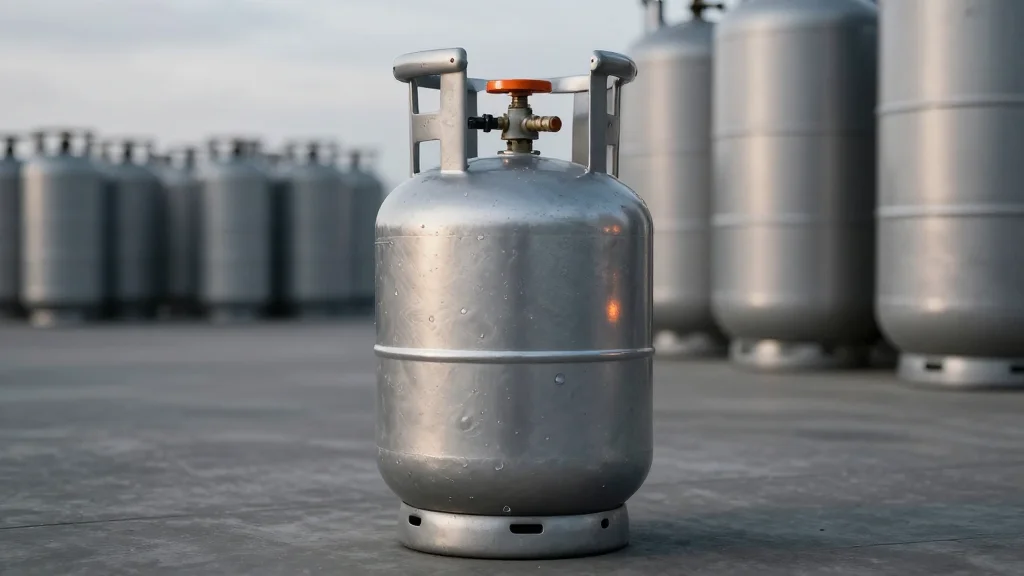
Govt Directs IOC, BPCL, HPCL to Expand LPG Storage Amid Supply Disruptions
Why It Matters
Expanding LPG reserves strengthens India’s energy security and cushions the market from geopolitical supply shocks, while price hikes underscore the fiscal impact on consumers and the competitive dynamics between state‑run and private retailers.
Key Takeaways
- •India mandates 30‑day LPG reserves for state‑run marketers
- •West Asia conflict cut 90% of India's LPG imports
- •IOC, BPCL, HPCL control 90% of Indian fuel market
- •LPG output hits all‑time high of 52,000 tonnes daily
- •Petrol prices rose ~₹7.50/L ($0.09) since mid‑May
Pulse Analysis
India’s latest directive to its three state‑run oil marketing companies reflects a growing urgency to insulate the nation’s energy supply chain from geopolitical turbulence. The West Asia war has effectively shut down about 90% of the country’s LPG imports, a commodity that traditionally arrives from Gulf nations. By mandating a minimum 30‑day strategic reserve, the government aims to create a buffer that can sustain household cooking needs and commercial demand during future disruptions. This policy aligns with broader efforts to diversify import sources and increase domestic storage capacity for crude oil and natural gas, reinforcing India’s long‑term energy resilience.
The storage push comes at a time when market dynamics are shifting dramatically. Indian Oil Corp, Bharat Petroleum and Hindustan Petroleum together command roughly 90% of the domestic fuel market, giving them considerable influence over pricing and distribution. Since mid‑May, they have lifted petrol prices by about ₹7.50 per litre (approximately $0.09), a move that has prompted consumers to gravitate toward state‑run outlets where prices remain below cost. Meanwhile, private retailers have seen diesel sales tumble 38%, and bulk diesel purchases have declined 29%, highlighting a clear reallocation of demand toward the public sector. The surge in retail fuel sales—over 30% growth in more than 150 districts—signals robust consumption despite price pressures.
Looking ahead, the emphasis on strategic reserves may catalyze significant investment in storage infrastructure, both for LPG and other hydrocarbons. Enhanced reserves could reduce India’s exposure to supply chain shocks, lower the volatility of import bills, and provide the government with greater leverage in negotiating future contracts. As the country continues to expand its domestic refining capacity and explore alternative energy sources, the 30‑day LPG reserve requirement is likely to become a cornerstone of a more self‑sufficient and stable energy policy framework.
Govt directs IOC, BPCL, HPCL to expand LPG storage amid supply disruptions
Comments
Want to join the conversation?
Loading comments...