Energy News and Headlines
  • All Technology
  • AI
  • Autonomy
  • B2B Growth
  • Big Data
  • BioTech
  • ClimateTech
  • Consumer Tech
  • Crypto
  • Cybersecurity
  • DevOps
  • Digital Marketing
  • Ecommerce
  • EdTech
  • Enterprise
  • FinTech
  • GovTech
  • Hardware
  • HealthTech
  • HRTech
  • LegalTech
  • Nanotech
  • PropTech
  • Quantum
  • Robotics
  • SaaS
  • SpaceTech
AllNewsDealsSocialBlogsVideosPodcastsDigests

Energy Pulse

EMAIL DIGESTS

Daily

Every morning

Weekly

Sunday recap

NewsDealsSocialBlogsVideosPodcasts
EnergyNewsGovt Urges Refiners to Prioritise US, Venezuelan Crude Amid Evolving Trade Ties: Report
Govt Urges Refiners to Prioritise US, Venezuelan Crude Amid Evolving Trade Ties: Report
EnergyGlobal EconomyCommodities

Govt Urges Refiners to Prioritise US, Venezuelan Crude Amid Evolving Trade Ties: Report

•February 11, 2026
0
ET EnergyWorld (The Economic Times)
ET EnergyWorld (The Economic Times)•Feb 11, 2026

Why It Matters

The shift signals a strategic realignment of India’s energy sourcing, impacting global oil trade flows and creating new market opportunities for U.S. and Venezuelan exporters.

Key Takeaways

  • •India urges refiners to favor US crude
  • •Venezuelan oil also highlighted for increased imports
  • •Refinery configurations limit US light crude uptake
  • •Capacity for US oil capped at ~20 Mt annually
  • •West African and Kazakh supplies remain cost‑competitive

Pulse Analysis

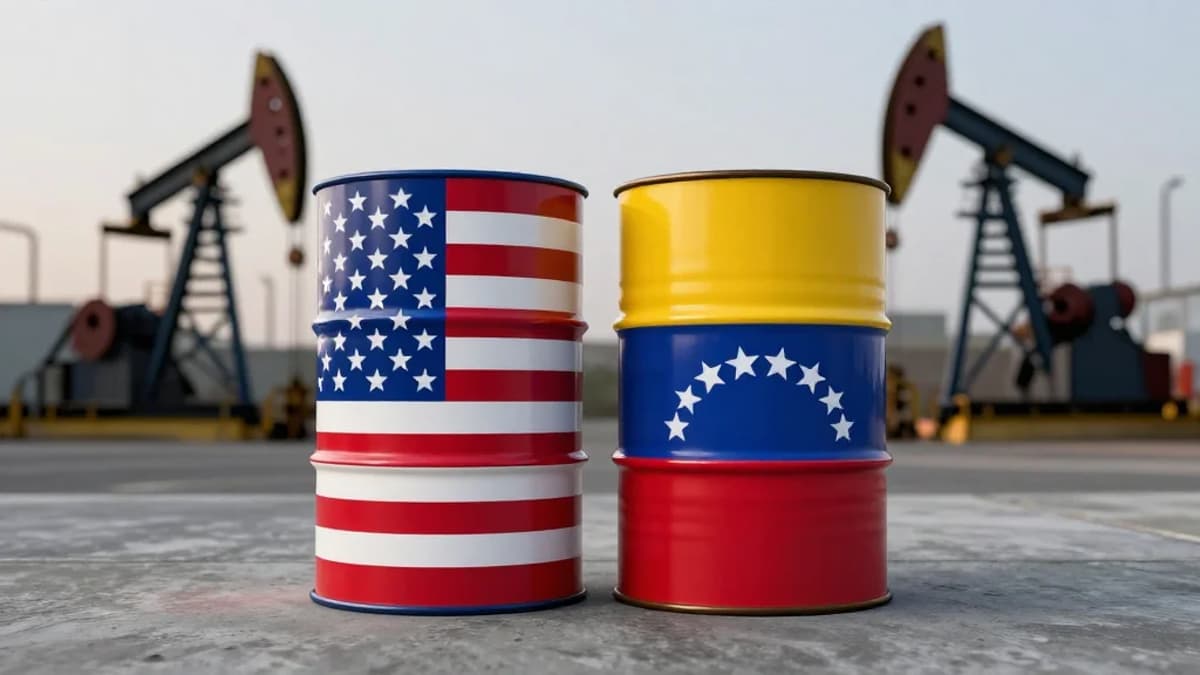
India’s latest call for state‑owned refiners to give priority to United States and Venezuelan crude marks a subtle but significant pivot in its energy procurement strategy. The move follows President Donald Trump’s assertion that New Delhi has agreed to curb Russian oil imports as part of a broader trade understanding, although the Indian government has stopped short of a formal confirmation. By signaling a willingness to source more from Washington and Caracas, New Delhi aims to broaden its supply base, reduce geopolitical risk, and align with evolving Indo‑U.S. trade talks that emphasize energy security.

Technical realities, however, temper the enthusiasm. Most Indian refineries are optimized for medium‑ and heavy‑grade crudes, while the United States predominantly exports light, low‑sulphur sweet oil that requires different processing configurations. Executives estimate the country could absorb roughly 20 million tonnes of U.S. crude per year—about 400,000 barrels per day—well below the volumes needed to replace Russian supplies. Venezuelan grades, although heavier and more compatible with existing units, are constrained by limited monthly handling capacity, capping imports at around four million barrels. Shipping distances and freight premiums further erode the economic case for a rapid shift.

The policy signal reshapes regional oil flows and creates new opportunities for exporters. U.S. shale producers could benefit from a modest but steady demand stream, helping to offset recent price volatility, while Caracas hopes to revive its export volumes amid ongoing sanctions relief talks. For global traders, the shift intensifies competition with established suppliers from West Africa and Kazakhstan, whose proximity and pricing advantage remain strong. In the longer term, India’s diversification drive may encourage further investment in refinery upgrades to handle lighter crudes, a trend that could alter the competitive landscape of the Asian refining sector.

Govt urges refiners to prioritise US, Venezuelan crude amid evolving trade ties: Report

By ETEnergyWorld Desk · Published on Feb 11, 2026 at 06:40 PM IST

India has asked state‑owned refiners to consider buying more crude oil from the United States and Venezuela as it moves to diversify its oil supply amid evolving trade discussions with Washington, Bloomberg has reported.

Refinery executives familiar with the matter said the government has encouraged refiners to give preference to US oil grades when sourcing crude from the spot market through tenders. Officials have made a similar suggestion for Venezuelan crude, though those cargoes would be arranged through private negotiations with traders.

The request comes after US President Donald Trump said India agreed to halt imports of Russian crude as part of a broader trade understanding — a claim India has not formally confirmed, instead maintaining that its energy decisions are driven by diversification and energy‑security priorities.

However, Indian refiners face constraints in how much US and Venezuelan oil they can take. Many Indian refineries are configured to process medium and heavier crudes, while US barrels tend to be lighter with lower sulphur content, making them less ideally suited to current infrastructure. Longer shipping distances and higher freight costs also raise questions about the near‑term economic viability of significantly increasing purchases from these sources.

Executives told Bloomberg that Indian processors could potentially handle about 20 million tonnes a year of US crude — roughly 400,000 barrels per day — which would be higher than recent volumes. However, cheaper and closer alternatives from West Africa and Kazakhstan remain competitive in sourcing decisions.

Indian refiners including Indian Oil Corp., Bharat Petroleum Corp. and Hindustan Petroleum Corp. have already moved to source Venezuelan crude recently, buying around 4 million barrels in aggregate, although this represents close to the upper limit of what state refiners can process monthly from the heavier Latin‑American grades.

Read Original Article
0

Comments

Want to join the conversation?

Loading comments...