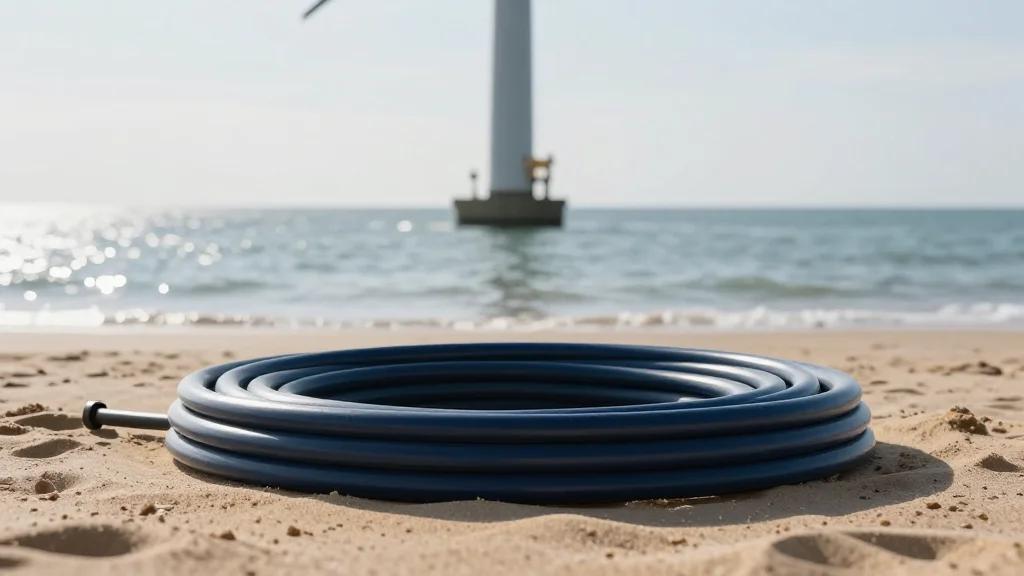
Grid Operators Move to Tackle Europe's Offshore Wind Cable Challenge
Why It Matters
Standardized, cost‑effective cabling will unlock faster offshore wind deployment, strengthening Europe’s clean‑energy transition and creating a more attractive market for investors.
Key Takeaways
- •Five grid operators commit to joint offshore cable procurement
- •Standardized designs target €1‑2 bn annual cable cost reduction
- •Collaboration eases seabed congestion and cross‑border planning
- •Accelerates Europe’s 100 GW offshore wind target by 2030
Pulse Analysis
Europe’s offshore wind sector is at a pivotal juncture. While the European Union has set an ambitious 100 GW target for offshore capacity by 2030, the rapid rollout has exposed a hidden constraint: submarine cable supply and seabed availability. Cable manufacturers are operating at near‑full capacity, driving prices up to €1‑2 billion per year, and competing projects often clash over limited maritime corridors. This bottleneck threatens to delay turbine installations and inflate project economics, prompting grid operators to seek collective solutions.
In response, five major transmission system operators—TenneT, National Grid, RTE, Elia and Statnett—have agreed to deepen cooperation on offshore cable systems. Their roadmap includes joint procurement frameworks, shared technical standards, and coordinated route planning to minimize duplication of effort. By pooling demand, the consortium can negotiate bulk discounts, streamline certification processes, and reduce the need for multiple parallel cable corridors. Early pilots will focus on standardizing voltage levels and connector designs, which historically have varied country‑by‑country, creating inefficiencies and higher installation costs.
The broader market impact could be substantial. Lower cable costs improve the levelized cost of electricity for offshore wind, making projects more bankable and attractive to institutional investors. Harmonized infrastructure also facilitates cross‑border power flows, enhancing grid resilience and enabling a more integrated European energy market. Policymakers are likely to view this collaboration as a template for other critical supply‑chain challenges, potentially extending joint‑venture models to offshore substations and storage solutions. Ultimately, the initiative could accelerate the continent’s decarbonization timeline while delivering economic benefits across the renewable value chain.
Grid operators move to tackle Europe's offshore wind cable challenge
Comments
Want to join the conversation?
Loading comments...