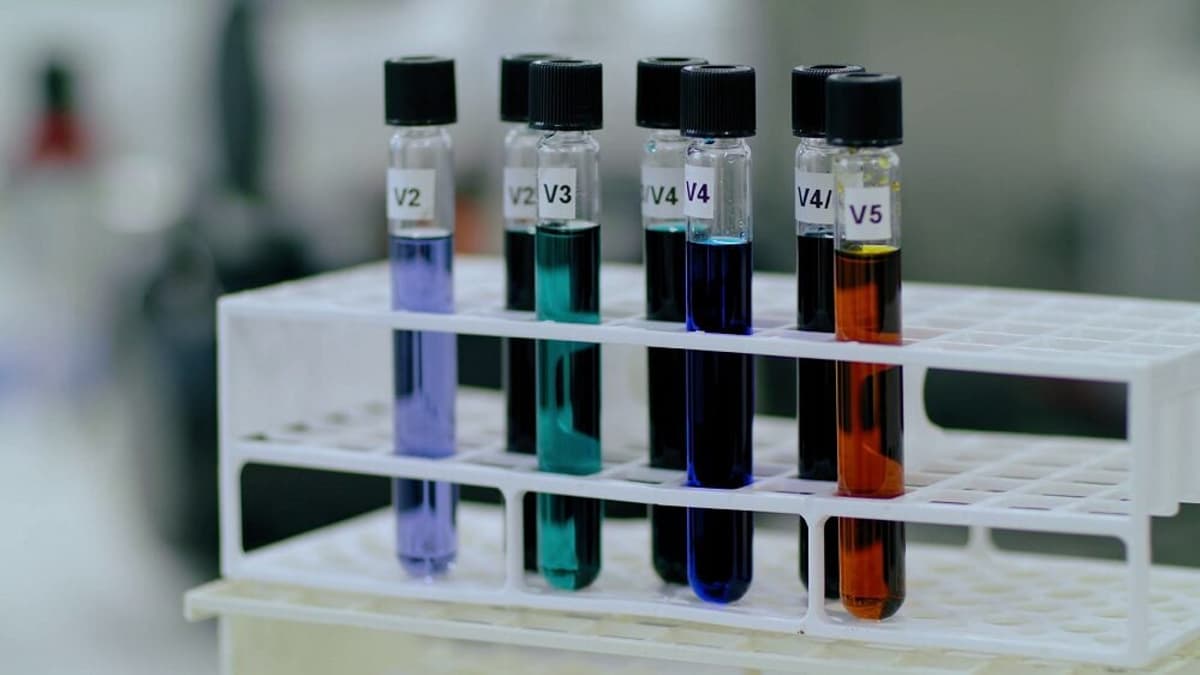
Gujarat Industries Power Co Seeks Bids for 120MWh Vanadium Flow Battery Pilot Project
Companies Mentioned
Why It Matters
The pilot could prove VRFBs as a cost‑effective, fire‑safe alternative to lithium, accelerating large‑scale storage adoption across India’s rapidly expanding renewable grid.
Key Takeaways
- •GIPCL launches 20 MW/120 MWh VRFB pilot at Vadodara gas plant
- •Project targets 1.5 daily cycles, improving levelised cost of storage
- •Bidding open until 25 June 2026; EPCs must have 5 MWh VRFB experience
- •India’s first large‑scale flow‑battery projects signal shift from lithium dominance
- •Success could accelerate grid‑scale long‑duration storage across Indian utilities
Pulse Analysis
Vanadium redox flow batteries (VRFBs) are gaining traction as a viable long‑duration energy storage (LDES) solution, especially for utilities seeking to balance intermittent renewables. Unlike lithium‑ion cells, VRFBs store energy in liquid electrolytes, offering thousands of charge cycles without significant degradation and a lower fire risk. GIPCL’s 20 MW/120 MWh pilot, slated for its Vadodara natural‑gas plant, will run roughly 1.5 cycles daily, a profile that analysts predict will deliver a favourable levelised cost of storage (LCOS) compared with conventional lithium projects.
India’s energy storage market has been dominated by lithium‑ion and pumped hydro, but recent policy incentives and grid‑integration challenges are prompting utilities to explore alternatives. The GIPCL tender, which requires EPC partners to have deployed at least 5 MWh of VRFBs, mirrors similar moves by NTPC and private players such as Delectrik Systems. Internationally, China’s 200 MW/1,000 MWh VRFB installation and Invinity’s 2.1 GWh contract in Switzerland illustrate a growing confidence in flow‑battery economics, despite higher upfront capital costs. By leveraging existing transmission assets at the gas‑plant site, GIPCL aims to mitigate these costs and showcase a scalable deployment model.
If the pilot meets its performance targets, it could catalyse a broader shift toward grid‑scale flow batteries across Indian utilities, reducing reliance on lithium imports and enhancing energy security. The project also provides a template for other emerging markets where long‑duration storage is essential for deep renewable integration. Success would likely spur additional financing, accelerate technology maturation, and position India as a leader in next‑generation storage solutions, influencing global supply chains and encouraging further innovation in the VRFB sector.
Gujarat Industries Power Co seeks bids for 120MWh vanadium flow battery pilot project
Comments
Want to join the conversation?
Loading comments...