Gulf NOCs and MODU Operators Look to Contractual Resilience to Ride Out Disruption
Companies Mentioned

Why It Matters
The analysis shows that geopolitical shocks will likely compress rig utilization in the Gulf while reinforcing demand and day‑rates in other offshore basins, affecting investors and operators worldwide.
Key Takeaways
- •Gulf MODU market holds one‑third of global jack‑up fleet.
- •Contracts include strong suspension clauses, limiting outright cancellations.
- •Mid‑term conflict could idle rigs, raising standby rates regionally.
- •Suspended Gulf rigs tighten global MODU supply, boosting rates elsewhere.
- •Exploration programs face first deferrals; development drilling stays steady.
Pulse Analysis
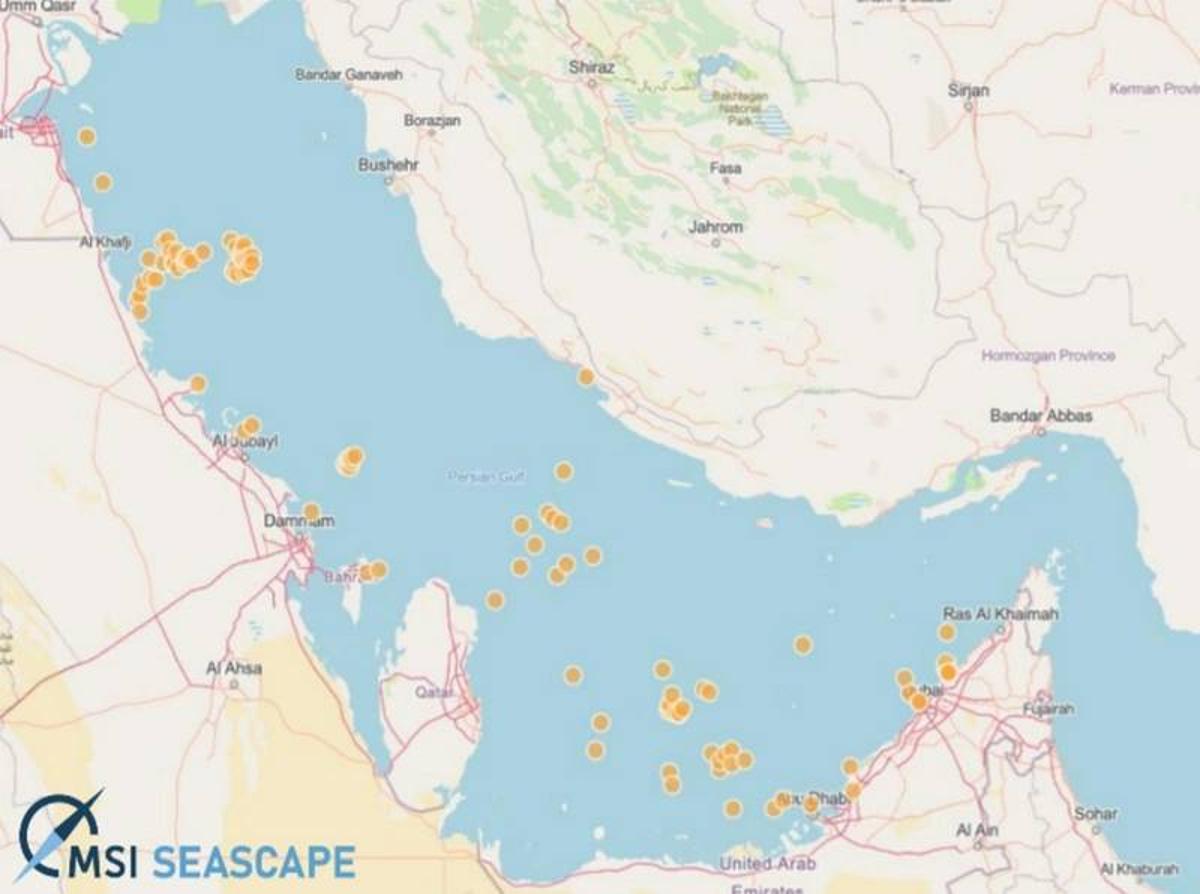
The Gulf’s offshore drilling landscape is uniquely concentrated, with roughly one‑third of the world’s jack‑up fleet stationed across Saudi Arabia, the UAE, Qatar and neighboring states. This geographic clustering means that any regional instability reverberates quickly through contract terms. Long‑term agreements with national oil companies such as Saudi Aramco, ADNOC and QatarEnergy embed robust suspension, force‑majeure and reduced‑rate provisions, effectively insulating operators from abrupt contract terminations. As a result, even if conflict forces a temporary halt to drilling, the rigs remain contractually bound, shifting risk from loss of revenue to lower standby earnings.
MSI’s scenario modeling highlights how the duration of hostilities dictates operational outcomes. A swift resolution (<1 month) would see minimal disruption, with crews reduced to skeleton staff and standby rates applied. A six‑month mid‑term conflict could trigger widespread rig idling, especially for short‑cycle exploration and appraisal units, while development drilling tied to mature fields would persist under reduced rates. Should the Strait of Hormuz stay closed, vessels may be unable to exit the Gulf, further limiting redeployment options. The contractual hierarchy ensures that the first casualties are discretionary programs, preserving core production activities.
Globally, the Gulf’s temporary suspension of a substantial portion of the jack‑up fleet removes those units from the international supply pool, tightening availability in regions like Brazil, West Africa and Southeast Asia where oil prices remain buoyant. This scarcity can lift day‑rates and spur investment in alternative rigs, offsetting the regional demand dip. For investors and operators, the key takeaway is to monitor contract clauses and geopolitical developments closely, as they will dictate cash‑flow dynamics and strategic positioning across the offshore drilling market.
Gulf NOCs and MODU Operators Look to Contractual Resilience to Ride Out Disruption
Comments
Want to join the conversation?
Loading comments...