Gulf Oil and Gas Crisis Sparks Calls for Renewables Investment
•March 4, 2026
0
Why It Matters
The supply shock threatens worldwide inflation and could reshape energy policy, accelerating the transition toward renewables and undermining reliance on geopolitically unstable fossil fuels.
Key Takeaways
- •Gulf LNG disruptions spike global oil and gas prices
- •Asia faces highest energy security risk from Hormuz crisis
- •Renewables investment urged to reduce fossil fuel dependence
- •Higher interest rates may delay renewable project financing
- •Europe’s heat‑pump rollout stalls amid rising energy costs
Pulse Analysis
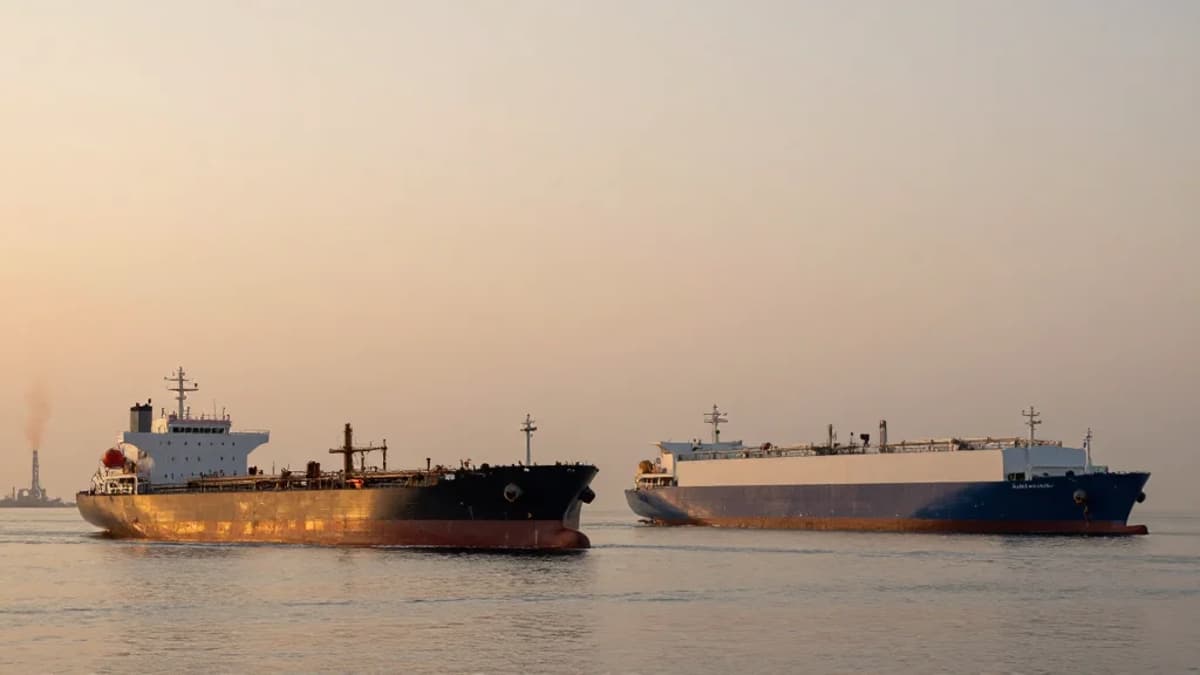
The Strait of Hormuz has long been a chokepoint for global energy markets, handling roughly 20% of the world’s oil and liquefied natural gas. Recent missile strikes on Qatar’s Ras Laffan LNG plant and the broader conflict between the United States, Israel and Iran have forced a sudden halt in Qatari LNG output and throttled tanker traffic. The immediate effect is a steep rise in crude and gas prices, reverberating through electricity, transport and manufacturing costs worldwide. This volatility underscores how geopolitical flashpoints can quickly translate into macro‑economic stress, prompting policymakers to reassess energy security strategies.
Asian economies, which import the bulk of Gulf LNG, stand to feel the brunt of the disruption. Japan and South Korea, reliant on over 60% of their energy imports, are scrambling to diversify supply, with nuclear power re‑emerging as a short‑term hedge. Meanwhile, Southeast Asian nations such as Vietnam, the Philippines and Thailand, despite recent investments in LNG infrastructure, confront the same supplier concentration risk. Analysts argue that the region’s abundant renewable resources—solar, wind and hydro—offer a more resilient path forward, yet the transition is hampered by financing constraints and entrenched fossil‑fuel contracts.
The crisis also highlights a paradox for renewable expansion: while higher fossil‑fuel prices can make clean energy more competitive, soaring inflation drives up borrowing costs, threatening the capital‑intensive nature of wind, solar and storage projects. Governments that act swiftly—by guaranteeing low‑cost financing, streamlining permitting, and reinforcing grid integration—can turn this shock into a catalyst for decarbonisation. Europe’s lagging heat‑pump rollout and the UK’s renewed focus on renewables illustrate the broader policy imperative: reducing dependence on volatile, geopolitically exposed energy supplies is essential for long‑term economic stability and climate goals.
Gulf oil and gas crisis sparks calls for renewables investment
0
Comments
Want to join the conversation?
Loading comments...