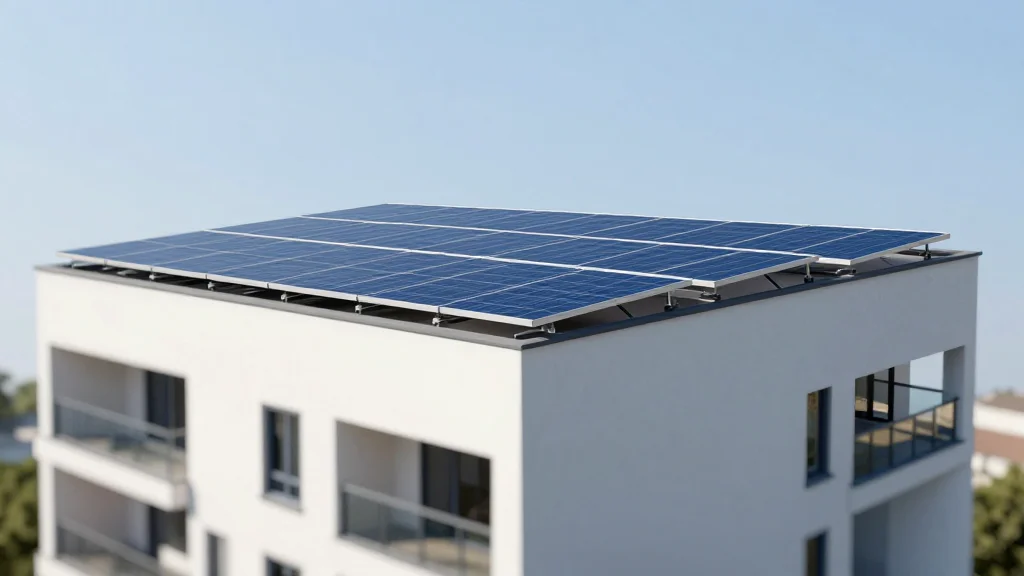
Gurgaon Sees Rooftop Solar Boom as 7k Applications Filed in 5 Months
Companies Mentioned
Why It Matters
The rapid adoption cuts residential electricity bills, eases peak‑load stress, and accelerates India’s renewable‑energy goals, positioning Gurgaon as a model for urban solar rollout.
Key Takeaways
- •7,497 rooftop solar applications filed in Gurgaon over five months.
- •Over 4,200 rooftop solar systems now operational citywide.
- •Subsidies granted to ~2,360 applicants under PM Surya Ghar scheme.
- •Haryana targets 2.22 lakh rooftop installations by March 2027.
- •Typical 1‑3 kW system generates 250‑300 units monthly, cutting bills.
Pulse Analysis
The Indian government’s push for distributed solar has gained tangible momentum in Gurgaon, a high‑income suburb of Delhi. In the past five months, the city logged 7,497 rooftop solar applications, a rate that dwarfs previous years and reflects the effectiveness of the Pradhan Mantri Surya Ghar Muft Bijli Yojana. This national scheme offers upfront subsidies and low‑interest financing, lowering the barrier for middle‑class homeowners and housing societies. As a result, upscale complexes such as DLF, South City, and Sector‑56 have become testing grounds for communal solar installations, driving the city’s operational connections beyond 4,200.
From a financial perspective, the rooftop boom translates into immediate bill relief for residents. A typical 1‑3 kW system produces 250‑300 kilowatt‑hours per month, enough to offset lighting, lifts, and water‑pump consumption in many apartments. Subsidies have already reached about 2,360 applicants, reducing upfront capital outlay and improving return‑on‑investment timelines. Moreover, the distributed generation eases pressure on Gurgaon’s grid during summer peaks, curbing the need for costly peaker plants. Utilities report lower demand‑side peaks, which can defer infrastructure upgrades and improve overall system efficiency.
Looking ahead, Haryana’s ambition to install 222,000 rooftop systems by March 2027 and achieve 1.6 GW of rooftop capacity by 2030 positions the state as a leader in India’s solar transition. The government’s plan to solar‑power all public buildings and gaushalas by 2026‑27 will further stimulate demand for panels, inverters, and installation services, creating opportunities for local manufacturers and EPC firms. Investors are watching the market closely, as the scale‑up could unlock new financing models and accelerate the rollout of smart‑grid integration across the region.
Gurgaon sees rooftop solar boom as 7k applications filed in 5 months
Comments
Want to join the conversation?
Loading comments...