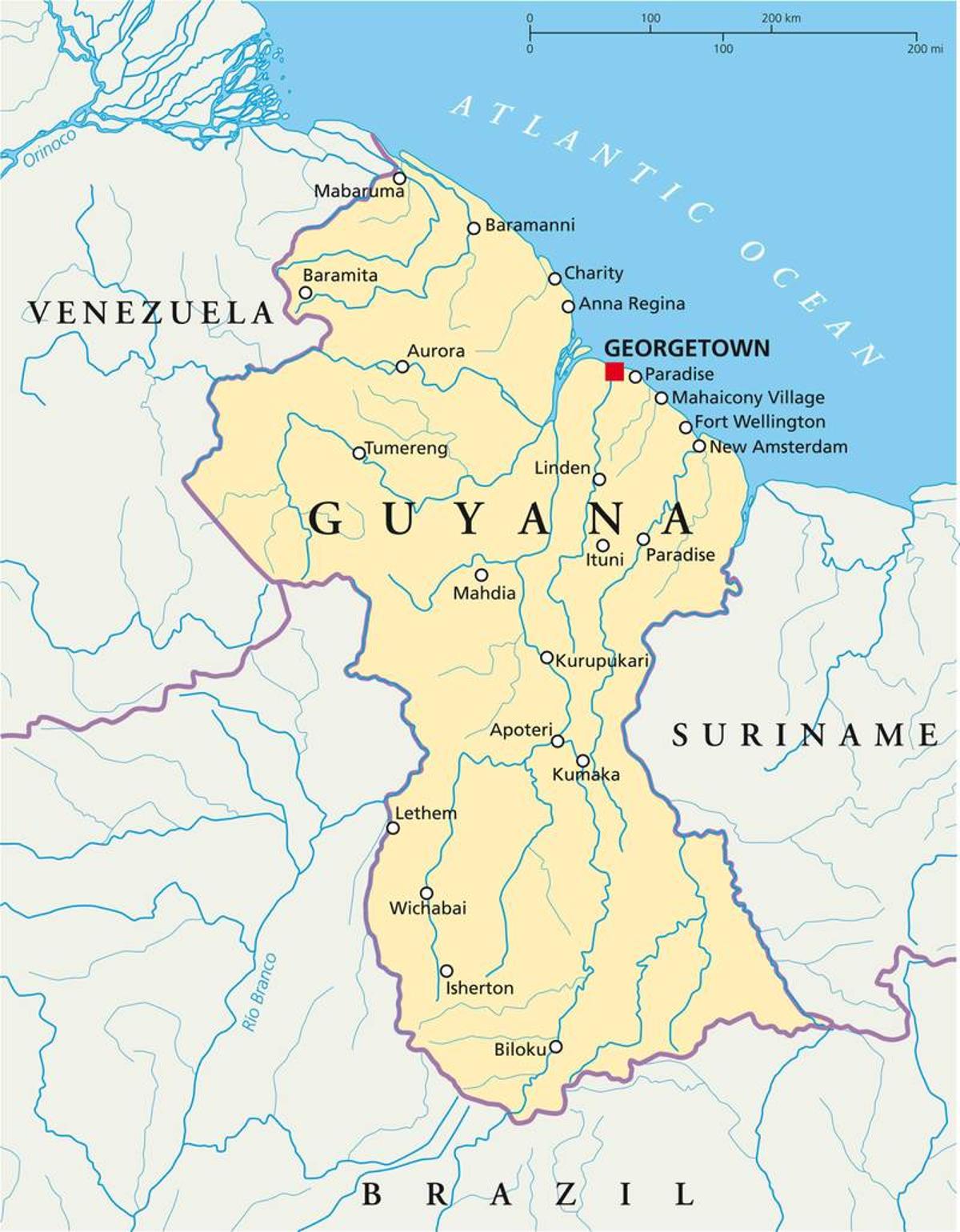
Guyana President: Energy Supply-Demand Gap Widens Further
Why It Matters
The widening gap highlights heightened geopolitical risk and underscores the need for new capital in traditional energy, positioning Guyana as a strategic supplier for markets seeking reliable crude. It also signals that the transition to renewables will be slower than policymakers anticipate.
Key Takeaways
- •Oil prices have surged past $100 per barrel amid Middle East conflict
- •Exxon Mobil’s Guyana consortium now produces over 900,000 barrels daily
- •Guyana emerges as a key non‑OPEC oil source for global markets
- •President Ali calls for massive investment to bridge supply shortfalls
Pulse Analysis
The ongoing Iran‑Israel war has sent shockwaves through global energy markets, effectively closing the Strait of Hormuz—a vital artery for roughly a third of the world’s oil trade. With production facilities damaged and shipping routes rerouted, oil prices have consistently hovered above the $100 per barrel mark, prompting import‑dependent nations to reassess their supply strategies and hedge against further volatility.
Against this backdrop, Guyana’s rapid ascent as an oil exporter is reshaping the competitive landscape. Since its first commercial flow in 2019, the Exxon Mobil‑led consortium has scaled output to more than 900,000 barrels per day, positioning the South American nation as a credible alternative to traditional OPEC suppliers. This surge not only diversifies global supply but also attracts ancillary services, infrastructure investment, and financing opportunities, especially as major oil majors seek to lock in long‑term contracts in a tightening market.
President Irfaan Ali’s remarks at the Offshore Technology Conference underscore a broader industry dilemma: the current energy transition lacks the capital depth to meet accelerating demand, and renewable sources alone cannot fill the imminent shortfall. His call for heightened investment signals to investors and governments that traditional hydrocarbons will remain a cornerstone of the energy mix for the foreseeable future, while also hinting at policy levers—such as tax incentives and streamlined permitting—that could accelerate new projects in emerging basins like Guyana’s offshore fields.
Guyana President: Energy Supply-Demand Gap Widens Further
Comments
Want to join the conversation?
Loading comments...