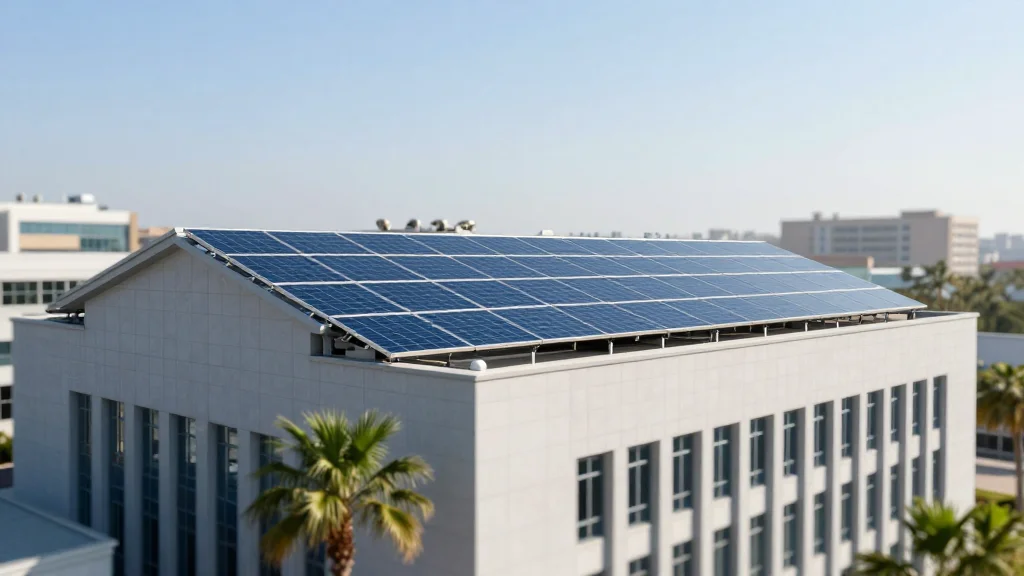
Haryana Govt’s Push for Solar Energy Hits Loan, Paperwork Hurdle
Why It Matters
Simplifying solar financing will unlock household adoption, reduce electricity bills, and help Haryana meet its ambitious renewable‑energy targets, setting a model for other Indian states.
Key Takeaways
- •Haryana issued 81,735 rooftop solar connections under Surya Ghar scheme
- •Loan approvals stalled by CIBIL scores and paperwork for 2‑3 kW systems
- •Banks instructed to assign dedicated officers and simplify verification
- •Goal: power all government buildings with solar by 2026‑27, 122 MW potential
Pulse Analysis
India’s push toward renewable energy has placed states like Haryana in the spotlight, especially as the national target of 450 GW of solar capacity by 2030 tightens. Haryana’s strategy focuses on rooftop solar, a cost‑effective way to decentralise generation and cut transmission losses. By leveraging the Pradhanmantri Surya Ghar Muft Bijli Yojana, the state has already facilitated over 80,000 connections, demonstrating strong consumer interest and aligning with the country’s broader climate commitments.
Despite the demand surge, financing remains a critical choke point. Small‑scale systems of 2‑3 kW often require personal loans, yet stringent CIBIL score thresholds and protracted documentation deter applicants. Recognizing this, Haryana’s energy secretary has ordered banks to create dedicated solar loan desks, streamline ownership verification, and reduce paperwork. Such measures echo reforms in states like Gujarat and Tamil Nadu, where simplified credit processes have accelerated rooftop adoption and attracted private‑sector participation.
The long‑term payoff extends beyond households. Converting all government buildings, schools, and gaushalas to solar by 2026‑27 could unlock 122 MW of clean power, slashing operational electricity costs and showcasing a replicable model of energy‑efficient governance. As the state meets its solar milestones, it will likely see reduced grid strain, lower carbon emissions, and enhanced energy security—benefits that resonate with investors, policymakers, and citizens alike.
Haryana govt’s push for solar energy hits loan, paperwork hurdle
Comments
Want to join the conversation?
Loading comments...