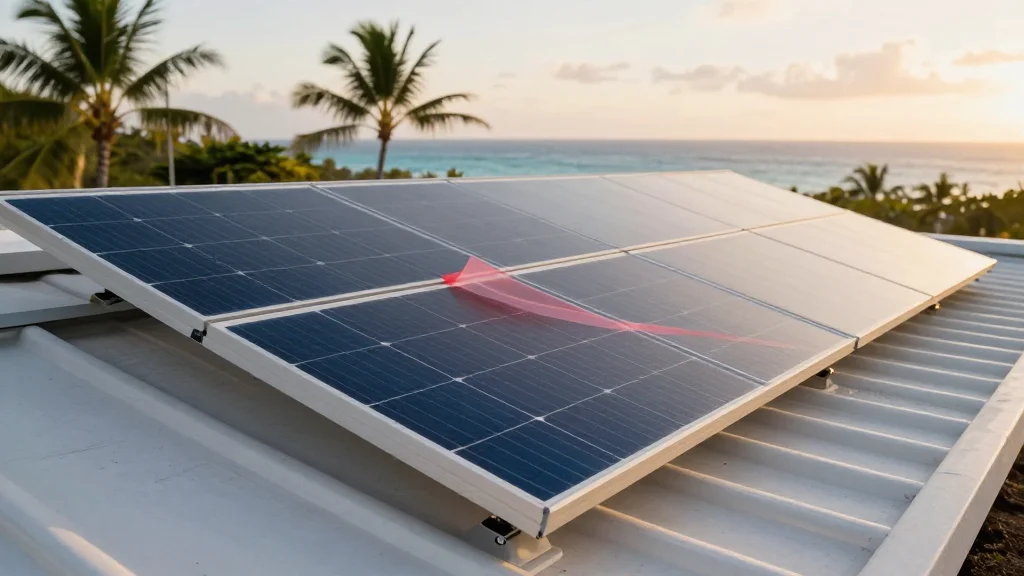
Hawaii Solar Industry Seeks Emergency Session to Halt Rooftop Tax Credit Rollback

Why It Matters
The rollback of Hawaii’s rooftop solar tax credits threatens to stall a critical pathway for residential and community‑scale renewable adoption in a state that relies heavily on imported fossil fuels. By removing a key financial incentive, the bill could raise electricity costs for households already burdened by high living expenses, undermining equity goals and slowing progress toward the state’s 100% clean‑energy target. Beyond the immediate financial impact, the move signals a broader tension between fiscal pressures and climate policy. If Hawaii curtails incentives now, it may set a precedent for other jurisdictions facing budget shortfalls, potentially weakening the national momentum for distributed solar growth at a time when the grid needs more resilient, decentralized resources to meet rising demand and climate resilience objectives.
Key Takeaways
- •HSEA urges emergency legislative session to reverse Senate Bill 3125
- •Bill caps rooftop solar tax credits at $40 million and imposes $175k/$350k income limits
- •Tax credit of up to $5,000 per residential system could be eliminated retroactively
- •State solar tax credits cost roughly $100 million annually; federal 30% credit ended last year
- •Potential cancellation of projects serving low‑income housing, schools, hospitals and government facilities
Pulse Analysis
Hawaii’s solar tax credit rollback reflects a classic budget‑versus‑climate dilemma. While the state grapples with looming federal funding gaps for SNAP and Medicaid, the decision to trim renewable incentives risks eroding the very fiscal stability the cuts aim to protect. Solar installations generate local jobs, reduce import‑dependent fuel costs, and provide a hedge against future price volatility—benefits that can translate into long‑term savings for the treasury. By short‑changing the sector now, policymakers may be trading short‑term budget relief for higher long‑term expenditures.
The retroactive nature of SB 3125 is especially concerning. Investors and developers rely on policy certainty; sudden rule changes can trigger contract breaches, legal disputes, and higher financing costs. The association’s mention of “legal avenues” hints at potential litigation that could further strain state resources. Moreover, the $40 million cap, slated to take effect in 2027, may appear modest against the backdrop of $100 million annual outlays, suggesting the legislature is more focused on optics than on actual fiscal impact.
Regionally, Hawaii serves as a bellwether for island economies transitioning to clean energy. If the state backs away from its aggressive solar incentive program, neighboring Pacific jurisdictions may hesitate to adopt similar policies, slowing the broader Pacific transition to renewables. Conversely, a reversal—whether through a special session or a negotiated amendment—could reaffirm Hawaii’s commitment to its 2045 clean‑energy goal and preserve a critical market for installers, financiers, and low‑income consumers alike.
Hawaii Solar Industry Seeks Emergency Session to Halt Rooftop Tax Credit Rollback
Comments
Want to join the conversation?
Loading comments...