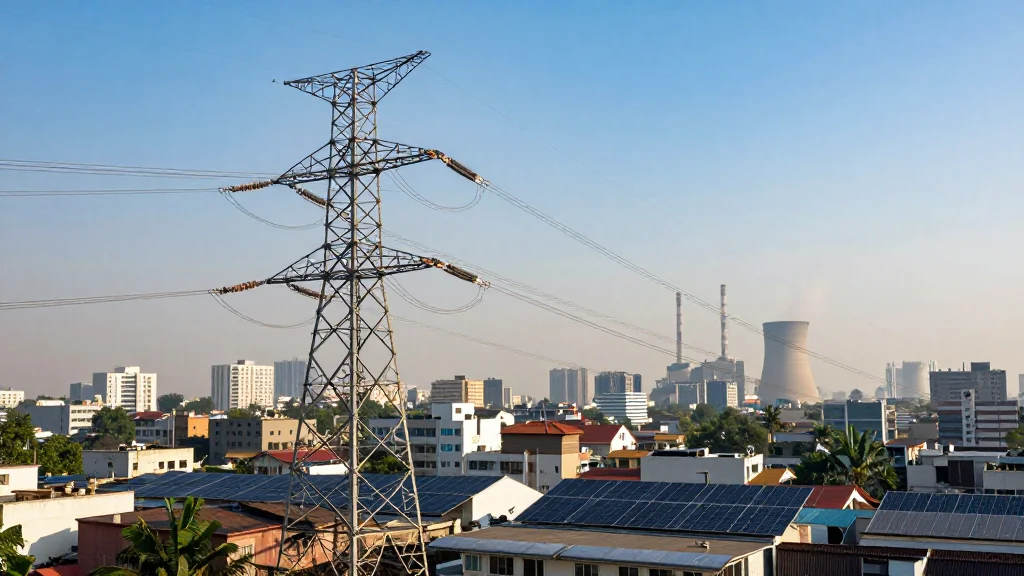
Heatwaves, Urban Heat Islands Push India’s Power Demand to Record 270 GW: Report
Why It Matters
The record demand highlights a structural shift toward climate‑driven residential load, challenging grid reliability and accelerating the need for cooling‑efficient urban policies. It underscores the urgency for integrated solutions—energy storage, smart grids, and heat‑mitigation measures—to sustain India’s power system as temperatures rise.
Key Takeaways
- •India's peak demand hit 270 GW, driven by residential cooling
- •Urban heat islands raise city temperatures by 2‑10 °C
- •Night‑time temps up 0.21 °C per decade, extending AC use
- •Solar supplied 80 GW (22%) at peak, vanishing after sunset
- •Cool roofs, rooftop solar, and storage recommended to curb demand
Pulse Analysis
India’s power grid is confronting a new reality where heatwave‑induced residential cooling eclipses industrial consumption. The Urban Heat Island (UHI) effect, amplified by rapid urbanisation, pushes city temperatures several degrees above surrounding rural areas, forcing households to run air‑conditioners well into the night. This shift not only spikes peak demand to unprecedented levels—270 GW—but also creates a mismatch between supply and demand as solar generation wanes after dusk, leaving conventional plants to fill the gap.
The implications for grid operators are profound. Night‑time temperature rises of roughly 0.21 °C per decade mean that the traditional evening load dip is flattening, eroding the natural buffer that once eased dispatch planning. With solar accounting for only 22 % of the peak mix, the loss of daylight generation forces reliance on fossil‑fuel peakers, raising emissions and operating costs. Energy‑storage systems and smart‑grid technologies become essential to smooth the supply curve, while demand‑side measures such as energy‑efficient appliances can curb the growing appetite for cooling.
Policy makers and city planners must treat heat mitigation as a core component of energy strategy. Deploying cool roofs, expanding rooftop solar, and integrating blue‑green infrastructure can lower ambient temperatures and reduce the cooling load. Incentivising higher‑efficiency AC units and encouraging staggered usage through time‑of‑use tariffs will also help balance the grid. As air‑conditioner penetration is projected to reach 40 % of Indian households by 2030, these combined actions will be critical to preventing future grid stress and supporting India’s broader climate goals.
Heatwaves, urban heat islands push India’s power demand to record 270 GW: Report
Comments
Want to join the conversation?
Loading comments...