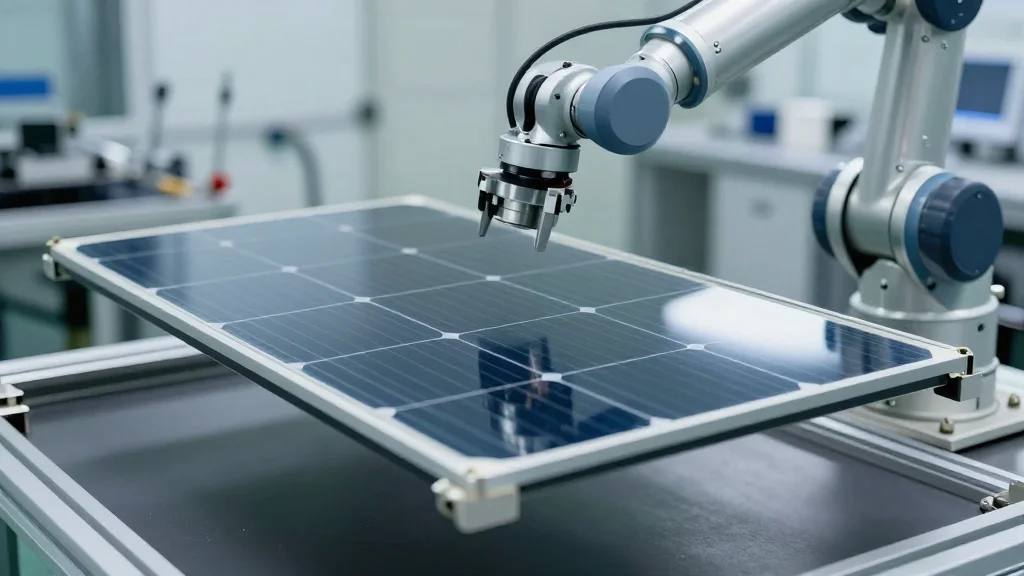
Homerun Resources Advances Antimony-Free Solar Glass Strategy in Brazil
Key Takeaways
- •Bankable feasibility study for Latin America’s first solar glass plant
- •High-purity silica (<10 ppm iron) eliminates antimony, saving $30M
- •Offtake agreements exceed capacity; Sengi Solar commits 100,000 tonnes annually
- •Full control of 582‑hectare district enables integrated production
- •Brazil imports most solar glass; project aims domestic supply
Pulse Analysis
Brazil’s solar market has surged in recent years, yet the nation still imports over 90% of the glass used in photovoltaic modules, creating a costly supply chain bottleneck. By establishing a domestic solar‑glass plant, Homerun Resources aims to capture a sizable share of this demand, reducing reliance on overseas suppliers and strengthening the country’s energy security. The project also aligns with Brazil’s broader industrial policy to develop local value‑added manufacturing in the renewable‑energy sector, a move that could attract ancillary services and boost job creation.
The technical edge of Homerun’s venture lies in its ultra‑pure silica sand, which contains less than 10 ppm iron and virtually no aluminum. This purity allows the company to bypass antimony, a toxic additive traditionally used to control iron impurities in glass production. Eliminating antimony not only cuts operating expenses by an estimated US$30 million but also reduces hazardous waste, supporting stricter environmental standards and improving the overall sustainability profile of the solar‑glass supply chain. The low‑iron content translates into higher‑efficiency glass, enhancing the performance of solar panels installed across the region.
Strategically, the near‑completion of a bankable feasibility study positions Homerun to secure financing and move swiftly to construction, leveraging its full control over a 582‑hectare silica district. The secured offtake contracts, notably Sengi Solar’s 100,000‑tonne annual commitment, provide immediate revenue visibility and de‑risk the project for investors. If successful, the model could be replicated in other mineral‑rich regions, prompting a shift toward vertically integrated clean‑tech ecosystems that marry critical mineral extraction with downstream manufacturing, reshaping the global solar‑glass market.
Homerun Resources Advances Antimony-Free Solar Glass Strategy in Brazil
Comments
Want to join the conversation?