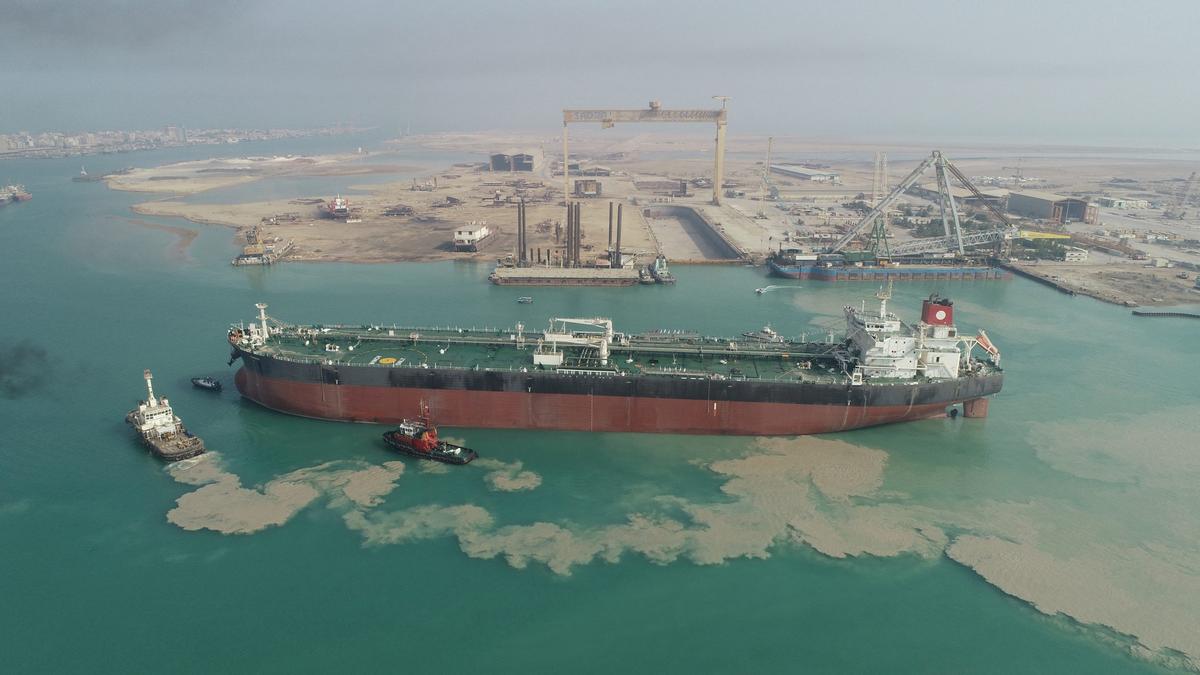
Hormuz Crisis Fuels Fresh Inflation Fears as Energy Strain Deepens
Why It Matters
Persisting energy constraints raise operating costs for businesses and keep consumer inflation sticky, complicating corporate budgeting and monetary‑policy decisions.
Key Takeaways
- •OPEC+ plans fourth consecutive monthly output increase despite falling production.
- •Hormuz disruption cut OPEC output from 42.77 to 33.19 mb/d.
- •UAE exit weakens OPEC coordination amid ongoing supply shock.
- •Higher fuel costs pressure logistics, manufacturing margins and inflation outlook.
- •Energy uncertainty could stall consumer spending and corporate investment.
Pulse Analysis
The Strait of Hormuz remains a chokepoint for global oil flows, and recent tensions have amplified an already fragile supply picture. OPEC+ announced another quota hike, marking its fourth straight monthly increase, yet production data show a steep decline from 42.77 million barrels per day in February to just 33.19 million in April. This mismatch between policy intent and physical output underscores the difficulty of translating announced targets into deliverable barrels when geopolitical risks impede tanker movements and port operations.
For corporations, the ripple effects are immediate. Elevated fuel prices feed directly into logistics costs, eroding margins for manufacturers and transport‑heavy firms. Higher energy bills also feed into broader consumer price indexes, slowing the recent easing of inflation that many economies were banking on. Companies facing tighter cost structures may postpone capital projects, trim hiring, or renegotiate supplier contracts, creating a feedback loop that dampens economic momentum and complicates forecasting for CFOs and strategic planners.
Investors are watching the energy shock with heightened sensitivity, as it reshapes expectations for interest rates and growth. The United Arab Emirates’ exit from OPEC adds a layer of uncertainty to the alliance’s ability to coordinate output, potentially prolonging supply gaps. Persistent volatility in oil markets can trigger risk‑off sentiment, prompting a shift toward defensive assets and prompting analysts to revise inflation‑adjusted earnings forecasts. Meanwhile, households, still sensitive to fuel price swings, may curb discretionary spending, further weighing on consumer‑driven growth. The convergence of geopolitical risk, production shortfalls, and policy uncertainty suggests that the energy market will remain a key driver of macro‑economic trends in the near term.
Hormuz Crisis Fuels Fresh Inflation Fears as Energy Strain Deepens
Comments
Want to join the conversation?
Loading comments...