‘Hormuz Crisis Shows Need for New Nuclear Power’. Does It Really, Though?
Why It Matters
Nuclear policy decisions now directly affect Europe’s energy security, climate targets, and geopolitical stability, making the safety debate highly consequential.
Key Takeaways
- •Zaporizhzhia plant attacks threaten European power supply
- •Bushehr plant hit illustrates war risk to nuclear sites
- •European leaders reconsider nuclear phase‑out for energy security
- •Past accidents fuel public skepticism on new reactors
- •Long‑term waste management remains unresolved challenge
Pulse Analysis
The recent strikes on Ukraine’s Zaporizhzhia nuclear complex and Iran’s Bushehr plant have reignited a debate that extends beyond regional conflicts. Energy analysts warn that any prolonged outage at Zaporizhzhia could force European grids to rely more heavily on fossil‑fuel imports, undermining climate commitments and inflating electricity prices. This scenario fuels arguments for a rapid nuclear build‑out, positioning reactors as a low‑carbon back‑stop when wind and solar falter. However, the geopolitical vulnerability of nuclear sites in war zones raises questions about the resilience of such a strategy.
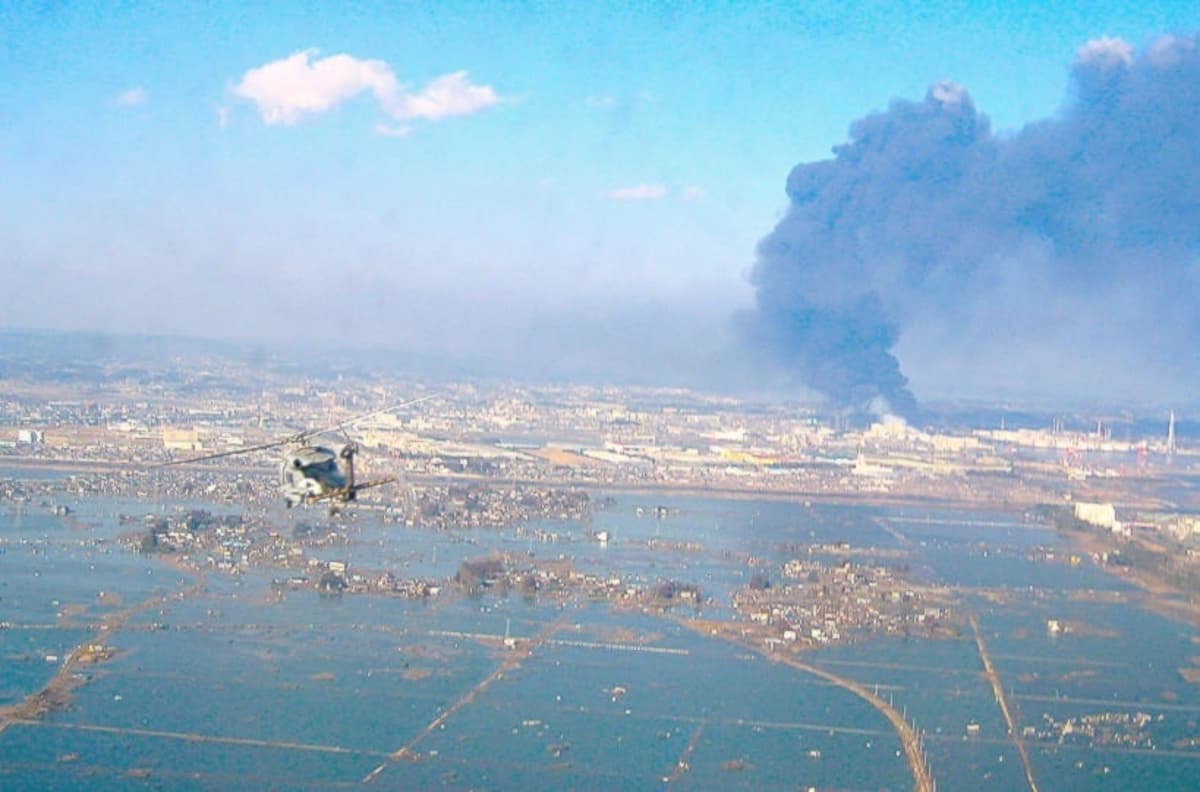
European policymakers are revisiting nuclear policy in light of supply‑chain shocks from the Strait of Hormuz and the broader climate emergency. Figures like Ursula von der Leyen label the continent’s nuclear retreat a "strategic mistake," urging member states to keep existing reactors operational and consider new builds. Yet public sentiment remains wary, shaped by the lingering health impacts of Chernobyl and the catastrophic fallout of Fukushima. The perception of nuclear as a safe, zero‑carbon source is tempered by concerns over human error, natural disasters, and the specter of radioactive waste that must be contained for millennia.
Balancing energy security, decarbonization, and safety is the central challenge for the coming decade. While nuclear can provide baseload power, investors and regulators must address waste disposal, robust security protocols, and transparent risk communication to regain trust. The ongoing conflict‑driven narrative underscores that without clear safeguards, the promise of a nuclear renaissance may remain just that—a promise, not a practical solution. Stakeholders must therefore weigh short‑term energy needs against long‑term environmental and safety responsibilities.
‘Hormuz crisis shows need for new nuclear power’. Does it really, though?
Comments
Want to join the conversation?
Loading comments...