Why It Matters
Any disruption in Hormuz could instantly tighten global oil and LNG supplies, forcing price spikes and reshaping risk calculations for energy investors. The outcome of the Istanbul talks will signal whether markets must brace for a broader supply shock or can maintain current pricing assumptions.
Key Takeaways
- •US F‑35 downed Iranian drone near Arabian Sea carrier.
- •Istanbul talks aim to defuse US‑Iran tensions.
- •Strait of Hormuz handles 20% global LNG exports.
- •Potential flare‑up could spike shipping and gas price risk.
- •Markets may underprice geopolitical disruption probabilities.
Pulse Analysis
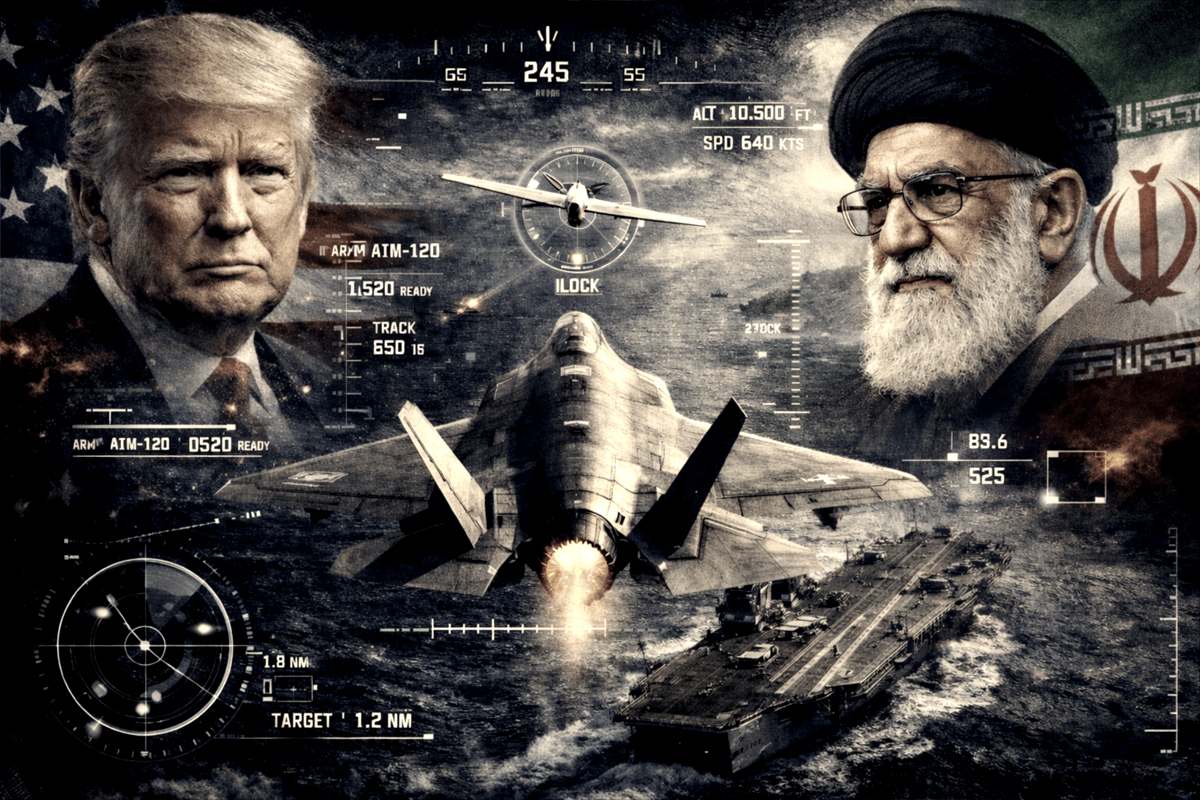
The latest incident, in which a U.S. F‑35 intercepted an Iranian drone, underscores the fragile balance of power in the Arabian Sea. While both governments have agreed to meet in Istanbul, the presence of a sizable U.S. carrier group signals a hard‑line posture that could quickly turn a diplomatic spat into a naval confrontation. Analysts note that President Trump’s warning about “bad things” adds a rhetorical weight that may influence Tehran’s calculus, making the upcoming talks a critical juncture for regional stability.
The Strait of Hormuz remains a linchpin for global energy flows, funneling not only crude oil but also a substantial share of LNG, especially from Qatar’s export hub. With more than 1.5 million tonnes of LNG—about one‑fifth of world supply—transiting the narrow passage each week, any interruption could reverberate through spot markets, freight rates, and storage strategies. Traders in Europe and North America are already factoring heightened congestion risk into forward curves, even as weather and supply fundamentals dominate headlines.
For market participants, the key challenge lies in quantifying the probability of a disruption versus its potential impact. Historical data shows that even low‑probability events can command outsized risk premiums when they involve chokepoints. Consequently, energy firms and investors should stress‑test portfolios against scenarios ranging from brief vessel delays to a full‑scale closure of Hormuz, adjusting hedges and liquidity buffers accordingly. By integrating geopolitical analytics with traditional supply‑demand models, stakeholders can avoid the common pitfall of under‑pricing fast‑moving risk in an increasingly volatile Middle East landscape.
Hormuz on the brink?
0
Comments
Want to join the conversation?
Loading comments...