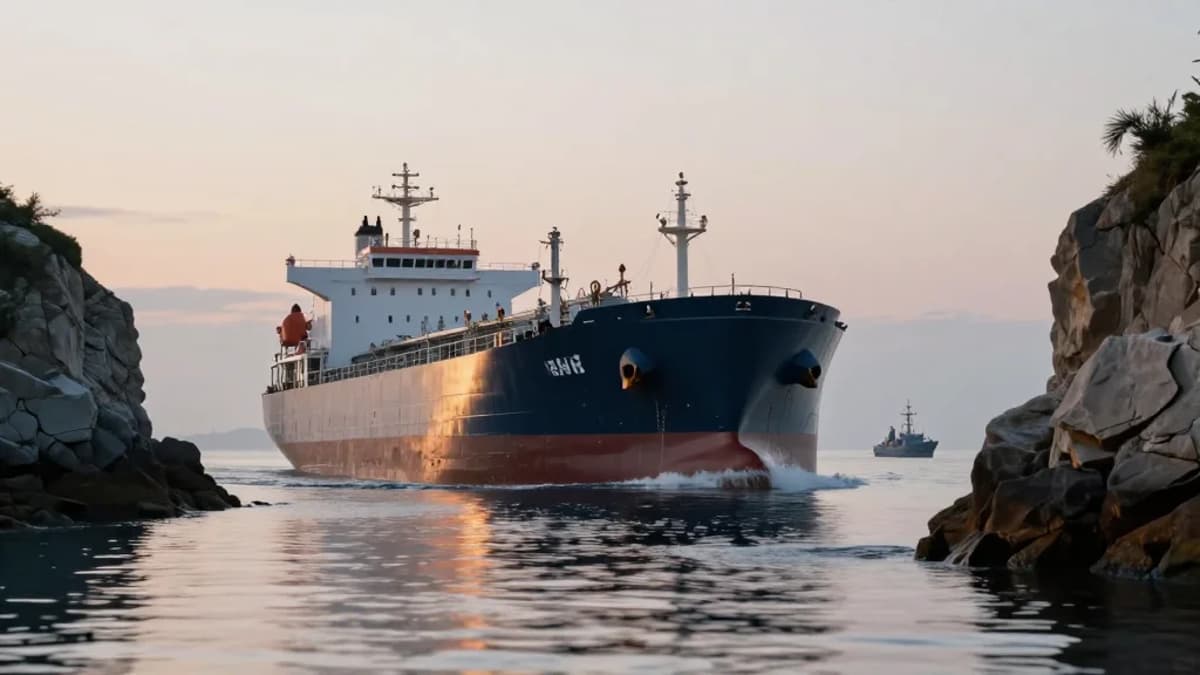
Hormuz Tanker Traffic Remains at Effective Standstill
•March 9, 2026
0
Why It Matters
The blockage threatens to disrupt global oil flows, potentially driving up prices and prompting supply‑chain adjustments. Stakeholders from refiners to investors must monitor the crisis for rapid market and policy shifts.
Key Takeaways
- •Tanker movements through Hormuz halted since weekend strikes
- •Strikes targeted energy and broader infrastructure across Middle East
- •Disruption threatens global oil supply and price stability
- •Alternative routes face capacity constraints and higher costs
- •Market watches for diplomatic de‑escalation to resume flow
Pulse Analysis
The Strait of Hormuz, a 21‑mile chokepoint between Oman and Iran, handles roughly a fifth of the world’s petroleum shipments. Recent coordinated attacks on pipelines, refineries, and port facilities have effectively sealed the waterway, forcing carriers to idle offshore or seek longer detours. This abrupt halt illustrates how quickly regional conflicts can translate into global supply shocks, especially when the affected infrastructure is integral to daily crude exports.
With Hormuz offline, oil traders are scrambling to reroute cargoes through the longer Cape of Good Hope or the Suez Canal, both of which have limited spare capacity and higher freight rates. The added distance raises shipping costs by up to 15 percent and extends delivery times, compressing margins for refiners and raising end‑consumer prices. Moreover, the uncertainty fuels speculative buying, pushing Brent and WTI benchmarks higher as markets price in potential prolonged shortages.
Looking ahead, the duration of the standstill hinges on diplomatic engagement and the ability of regional actors to de‑escalate. If negotiations succeed, a swift reopening could restore flow and stabilize prices; however, a protracted closure would likely accelerate strategic stockpiling and prompt governments to reassess energy security strategies. For investors and policy makers, the Hormuz crisis underscores the importance of diversified supply chains and the need for real‑time intelligence on geopolitical developments.
Hormuz Tanker Traffic Remains at Effective Standstill
0
Comments
Want to join the conversation?
Loading comments...