Hot Weather and Clear Skies Give Europe a Bumper May
Why It Matters
The uneven solar resource directly affects power generation forecasts and revenue for European solar operators, highlighting the need for high‑resolution weather data. Understanding these patterns helps investors and grid managers mitigate risk and optimize asset performance.
Key Takeaways
- •Blocking high raised irradiance up to 25% above average in Austria
- •Scotland and Ireland saw ~5% below‑average solar irradiance
- •Norway recorded up to 15% below‑normal irradiance
- •Mid‑month Arctic surge caused thunderstorms, cutting solar output
Pulse Analysis
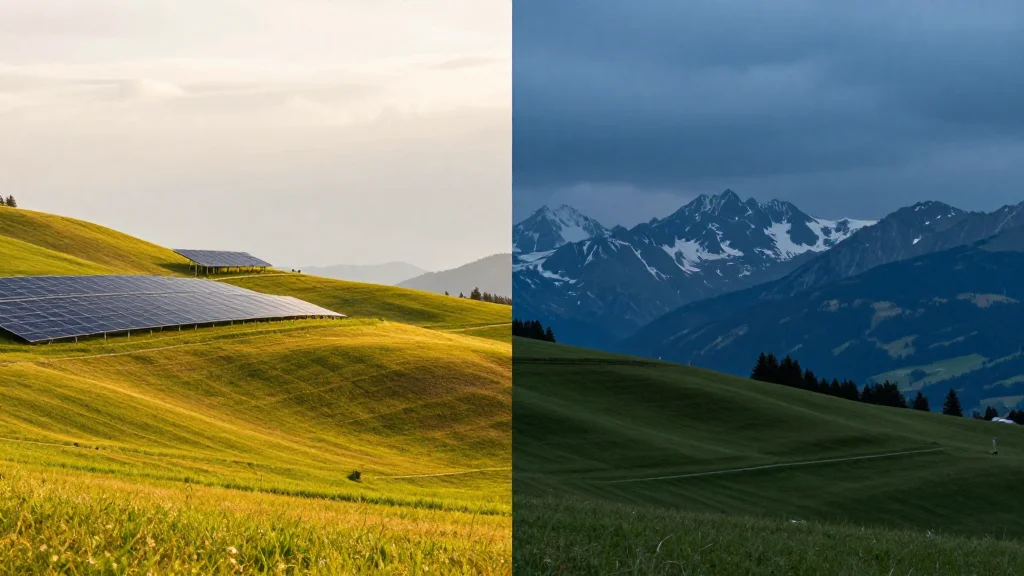
Europe's May weather was dominated by a blocking high that trapped warm African air, producing clear skies and record temperatures from Spain to Ukraine. Solar irradiance surged, with Austria experiencing levels 25% above the 2007‑2025 average, translating into higher photovoltaic output and a boost for utilities relying on solar feed‑in. The heat dome also reduced cloud cover, allowing solar farms to operate near peak efficiency for much of the month, reinforcing the value of real‑time irradiance monitoring.
The benefits, however, were not uniform. Regions on the periphery of the high‑pressure system—particularly Scotland, Ireland and Norway—faced cloudier conditions and up to a 15% dip in solar irradiance. These deficits underscore the importance of granular forecasting for asset managers, as even modest shortfalls can affect quarterly earnings and grid balancing. Companies using Solcast’s 1‑2 km resolution data can adjust dispatch schedules and hedge exposure, leveraging AI‑driven cloud tracking to anticipate rapid weather shifts.
For the broader solar market, May’s mixed pattern illustrates the volatility inherent in climate‑driven power generation. Investors are increasingly demanding transparent, high‑frequency weather analytics to de‑risk portfolios, especially as Europe expands its renewable capacity. Solcast’s platform, supporting over 350 firms and more than 300 GW of solar assets, provides the precision needed to align generation forecasts with market commitments, ensuring that both developers and grid operators can navigate future weather extremes with confidence.
Hot weather and clear skies give Europe a bumper May
Comments
Want to join the conversation?
Loading comments...