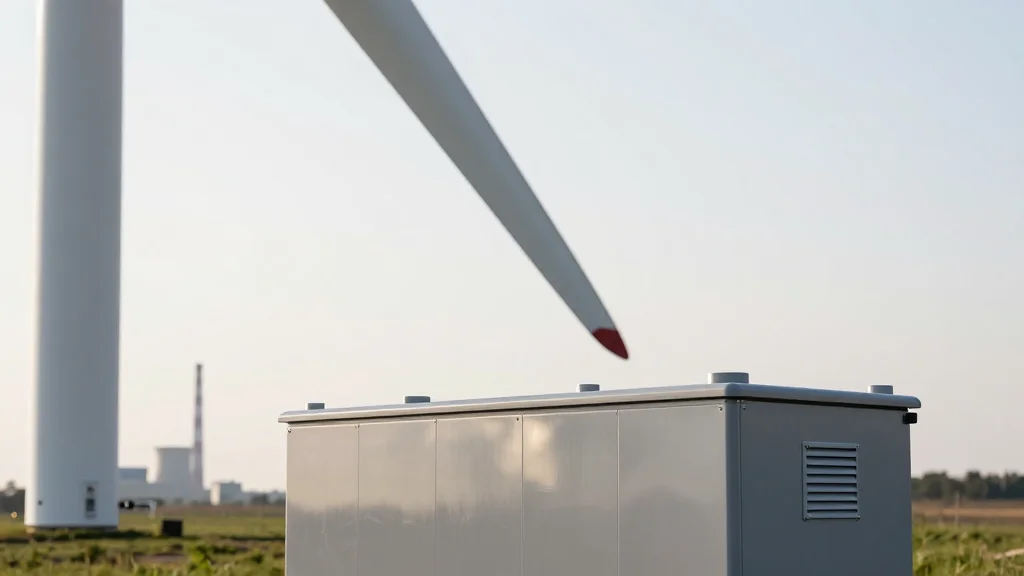
How a Wind and Battery Hybrid Could Replace a Coal Plant – and Outperform It at Almost Every Level
Companies Mentioned
Why It Matters
The hybrid offers a cleaner, more flexible alternative to coal, bolstering grid stability while accelerating Australia’s decarbonisation targets. Its superior ancillary services could reshape market economics for renewable generation.
Key Takeaways
- •Envision proposes 3.35 GW wind + 1 GW BESS to replace Loy Yang
- •Hybrid delivers 2‑6× more regulation FCAS than the coal plant
- •Reactive power capacity reaches 1,300 Mvar, slightly exceeding coal output
- •Market could add 60 GW of wind‑BESS projects within two years
Pulse Analysis
Australia’s power grid is at a crossroads as legacy coal plants near retirement, and Envision Energy’s wind‑battery hybrid model offers a compelling roadmap. By co‑locating gigawatts of wind turbines with a grid‑forming battery storage system behind a single connection point, the hybrid can mimic the baseload output of a coal station while providing ancillary services that were traditionally the domain of thermal generators. The 3.35 GW wind capacity supplies steady generation, and the 1 GW BESS delivers rapid response for frequency control, offering two‑ to six‑times the regulation and contingency FCAS that Loy Yang currently provides. Moreover, the system’s 1,300 Mvar of reactive power exceeds the coal plant’s capability, supporting voltage regulation across the network, while features such as black‑start and islanding add resilience that coal units cannot match.
From a policy perspective, the hybrid aligns with Australia’s aggressive emissions reduction goals and the urgent need to replace aging coal assets in Victoria. Grid operators benefit from a diversified portfolio of services that improve reliability without the environmental penalties of fossil fuels. The technology also sidesteps the frequent unplanned outages that plague coal plants, delivering a more predictable supply curve. As regulators increasingly recognize battery‑enabled resources for market participation, the economic case for wind‑BESS projects strengthens, potentially unlocking new revenue streams from ancillary service markets.
The market outlook is equally bullish. Envision’s executives cite roughly 60 GW of wind‑BESS projects poised for development, driven by abundant wind resources, falling battery costs, and supportive renewable targets. However, scaling will require coordinated transmission upgrades and a skilled workforce to meet the anticipated construction boom. Investors are watching closely, as the hybrid model promises higher capacity factors and lower operating expenses than traditional renewables alone. If the projected pipeline materialises, Australia could become a showcase for integrated renewable‑storage hubs, influencing global strategies for coal‑to‑clean‑energy transitions.
How a wind and battery hybrid could replace a coal plant – and outperform it at almost every level
Comments
Want to join the conversation?
Loading comments...