How BESS Operations Are Revolutionizing Urban Centers
Why It Matters
Urban BESS reduces transmission losses and peak‑demand costs while advancing municipal climate goals, making city power systems more resilient and sustainable.
Key Takeaways
- •Vertical BESS stack batteries in multi‑story racks near city substations
- •Pilot projects launched in Boston and New York to shave peak loads
- •Fire safety requires compartmentalized rooms, hydrogen detection, and overspray sprinklers
- •Proximity to grid reduces transmission loss and defers costly infrastructure upgrades
- •Urban designs blend BESS facades with mixed‑use architecture for community acceptance
Pulse Analysis
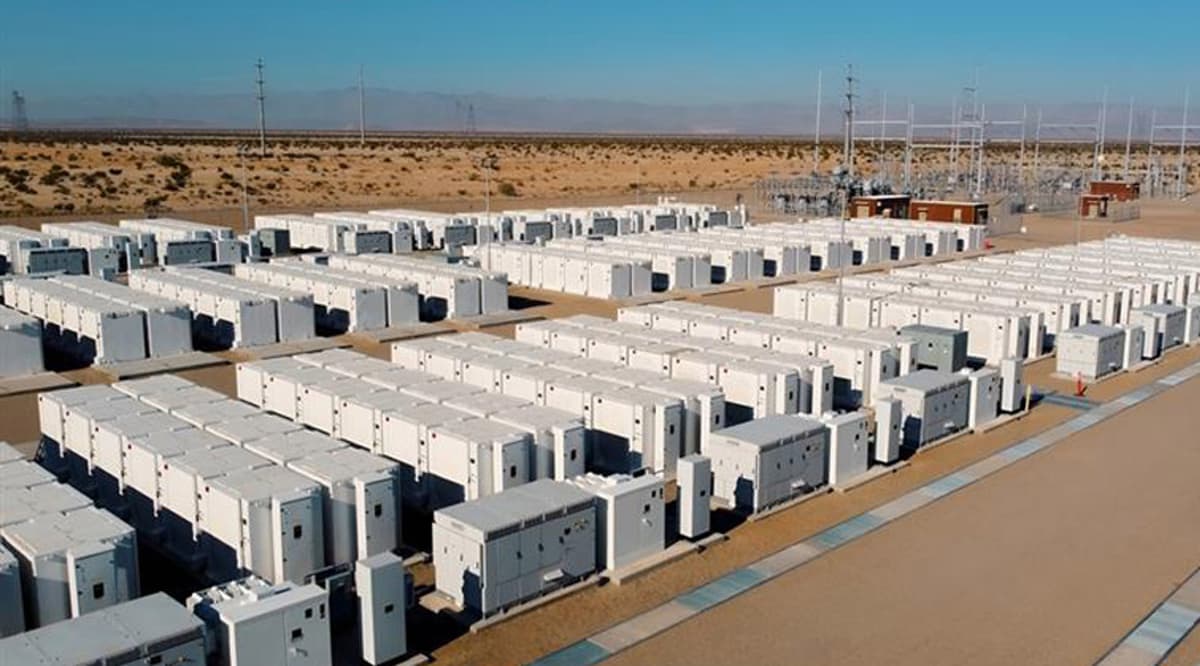
The shift to vertical battery energy storage marks a pivotal evolution in how cities meet soaring electricity demand. Traditional horizontal BESS farms require acres of land, a luxury unavailable in dense urban cores. By building upward, developers can locate storage directly adjacent to substations, cutting transmission distance and loss. This proximity not only improves efficiency but also enables utilities to purchase power at off‑peak rates and sell it back during demand spikes, flattening price volatility and postponing expensive grid expansions.
Beyond economics, vertical BESS delivers tangible environmental benefits. Peak periods often trigger fossil‑fuel generators, spiking emissions and degrading air quality. Stacked batteries absorb excess renewable generation—solar from rooftop arrays or wind from nearby farms—and release it when the grid would otherwise rely on dirty peaker plants. The result is a measurable reduction in carbon output and a step toward municipal climate targets. Moreover, the modular nature of these installations supports microgrid development, allowing campuses, hospitals, and data centers to maintain critical operations during outages without resorting to diesel backup.
However, stacking massive battery packs introduces engineering and safety challenges that must be addressed for widespread adoption. Each battery module weighs roughly 22,000 lb, demanding reinforced floors and robust structural design. Fire risk is mitigated through compartmentalized rooms, hydrogen detection sensors, and high‑capacity sprinkler systems, while coordination with local fire departments ensures rapid response protocols. Aesthetic integration is also key; blending BESS facades into mixed‑use developments helps gain community acceptance. As battery chemistry advances—becoming lighter and higher‑density—vertical installations will likely grow taller, further unlocking urban space for clean energy storage.
How BESS Operations are Revolutionizing Urban Centers
Comments
Want to join the conversation?
Loading comments...