How Biomass Processing Is Becoming a Scalable Platform
Why It Matters
RenX’s platform shifts the economics of agricultural inputs, turning waste disposal costs into revenue and unlocking scalable, low‑cost media production for modern farming. The approach offers investors a clear path to expansion without the constraints of raw‑material scarcity.
Key Takeaways
- •RenX uses German Microtec milling to turn green waste into uniform media.
- •Feedstock is paid for, reducing raw material costs and disposal fees.
- •Platform replicates identical processing units across regions, enabling rapid expansion.
- •Post‑acquisition revenue hit $8.2 M, while legacy debt of $11.9 M retired.
Pulse Analysis
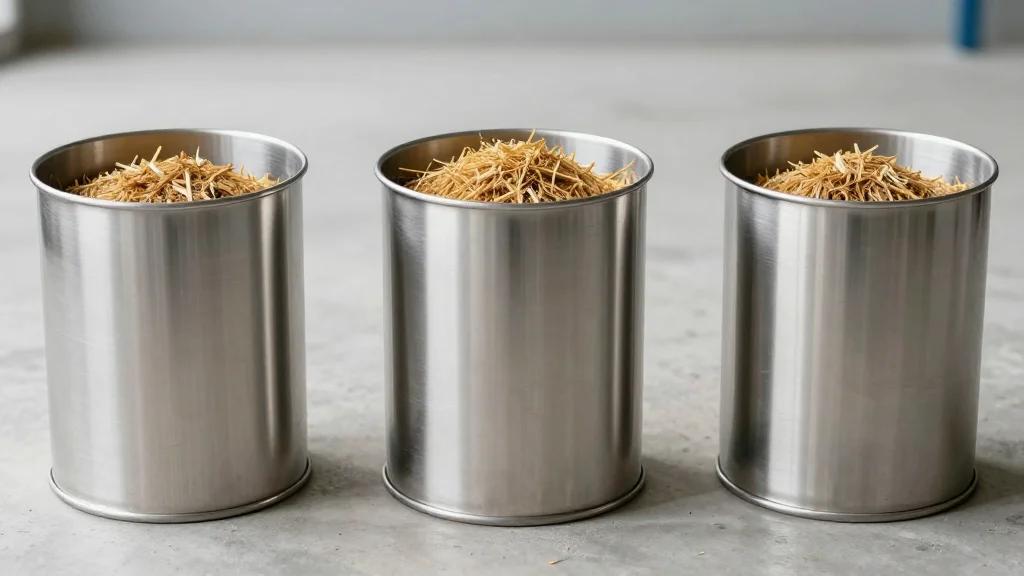
The agricultural sector is increasingly reliant on engineered growing media for greenhouses, nurseries, and controlled‑environment farms. Traditional substrates such as peat and coconut coir suffer from supply bottlenecks, transportation risks, and regulatory pressures. RenX Enterprises tackles these challenges by mechanistically milling municipal green waste into specification‑grade particles, delivering consistent performance while sidestepping the volatility of conventional inputs. This shift not only improves product reliability but also aligns with sustainability goals, as waste streams are diverted from landfills and transformed into valuable agricultural commodities.
RenX’s strategic partnership with Microtec GmbH provides a proven, globally‑installed milling platform that can be duplicated across multiple sites. Because the process is standardized, each new facility mirrors the same operational parameters, quality controls, and output specifications. This replication model reduces capital expenditures tied to bespoke plant design and accelerates time‑to‑market. Moreover, the company often receives fees for accepting waste, effectively turning a disposal liability into a revenue source and compressing the cost base of its growing media.
Financially, the company’s recent $8.2 million post‑acquisition revenue beat guidance, while it retired $11.9 million of legacy debt, strengthening its balance sheet. A renewed $3 million organic‑waste transport contract secures feedstock flow for 2025, underscoring the scalability of the platform. As RenX expands the milling system into regions with abundant waste and demand, growth becomes a function of deployment speed rather than raw‑material scarcity, positioning the firm as a potential industrial‑scale catalyst in the sustainable agriculture market.
How Biomass Processing Is Becoming a Scalable Platform
Comments
Want to join the conversation?
Loading comments...