How Keystone Came Back From the Dead
Why It Matters
Reviving a Keystone‑style corridor could ease Alberta’s export bottlenecks and strengthen U.S.‑Canada energy ties, while re‑igniting political debate over fossil‑fuel infrastructure. The project’s success would affect crude pricing, refinery feedstock supply, and regional economic dynamics.
Key Takeaways
- •Trump signed permit for Bridger Pipeline expansion in Montana
- •Bridger could use former Keystone XL infrastructure
- •South Bow's Prairie Connector may link Hardisty to US border
- •Project aims to move more Alberta crude to Gulf Coast
- •Still needs permits, customer commitments, and final investment decision
Pulse Analysis
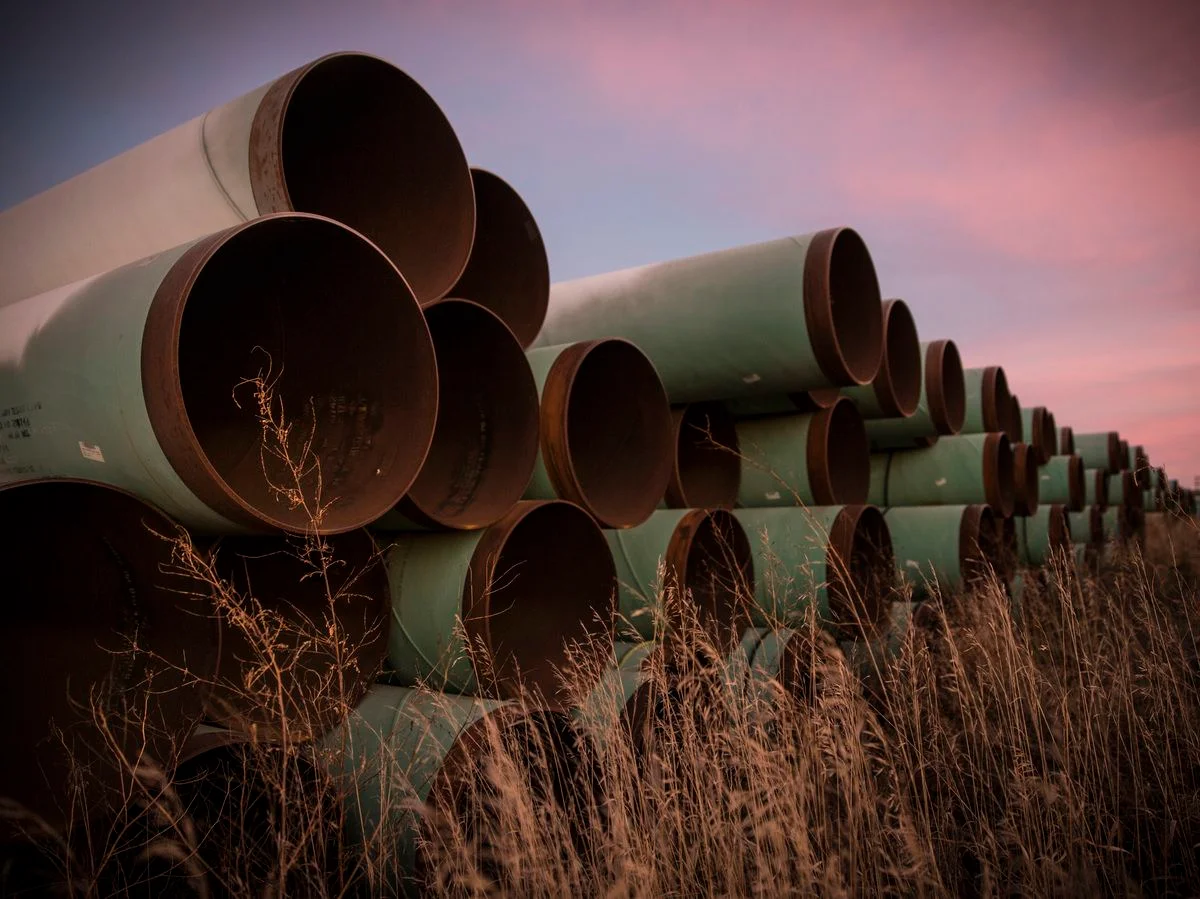
The original Keystone XL saga dominated North American energy headlines for a decade, pitting environmental groups against oil producers and becoming a flashpoint in U.S. elections. After years of litigation and a 2021 presidential revocation, TC Energy abandoned the project, leaving miles of idle pipe and a lingering demand for additional export capacity from Canada’s oil‑rich provinces. The cancellation underscored the volatility of cross‑border pipeline approvals, especially when federal leadership shifts.
In the wake of that void, the Trump administration granted a presidential permit for the Bridger Pipeline Expansion, a separate venture that could repurpose some of the dormant Keystone infrastructure. On the Canadian side, South Bow Corp., a TC Energy spinoff, is evaluating the Prairie Connector, a line that would shuttle crude from Hardisty, Alberta, to the Montana border. From there, Bridger’s route would traverse Montana into Wyoming, linking into the extensive U.S. pipeline network that feeds Cushing, Oklahoma, and ultimately the Gulf Coast refineries. By leveraging existing right‑of‑way and equipment, the combined projects promise a faster, lower‑cost path to market than building a brand‑new corridor.
If realized, the new corridor could alleviate the chronic bottlenecks that have depressed Canadian crude prices, offering producers higher realized margins and reinforcing Canada’s reputation as a reliable U.S. supplier. However, the initiative still faces regulatory hurdles, the need for firm customer commitments, and a final investment decision that will weigh market fundamentals against lingering environmental opposition. Stakeholders will watch closely as the project tests the resilience of North American energy policy amid shifting political winds and evolving demand for oil products.
How Keystone came back from the dead
Comments
Want to join the conversation?
Loading comments...