How Oil Fuels Conflict and War—And Who Profits
Companies Mentioned
Why It Matters
Because oil‑linked conflicts jeopardize global economic stability and climate goals, accelerating the transition to renewable energy is both an economic and national‑security priority.
Key Takeaways
- •Oil dependence fuels geopolitical conflicts, exemplified by U.S.-Iran tensions
- •Control of Strait of Hormuz dictates a fifth of global oil flow
- •Fossil‑fuel firms prioritize slowing renewable transition over short‑term profits
- •Renewable adoption seen as national security imperative amid energy crises
Pulse Analysis
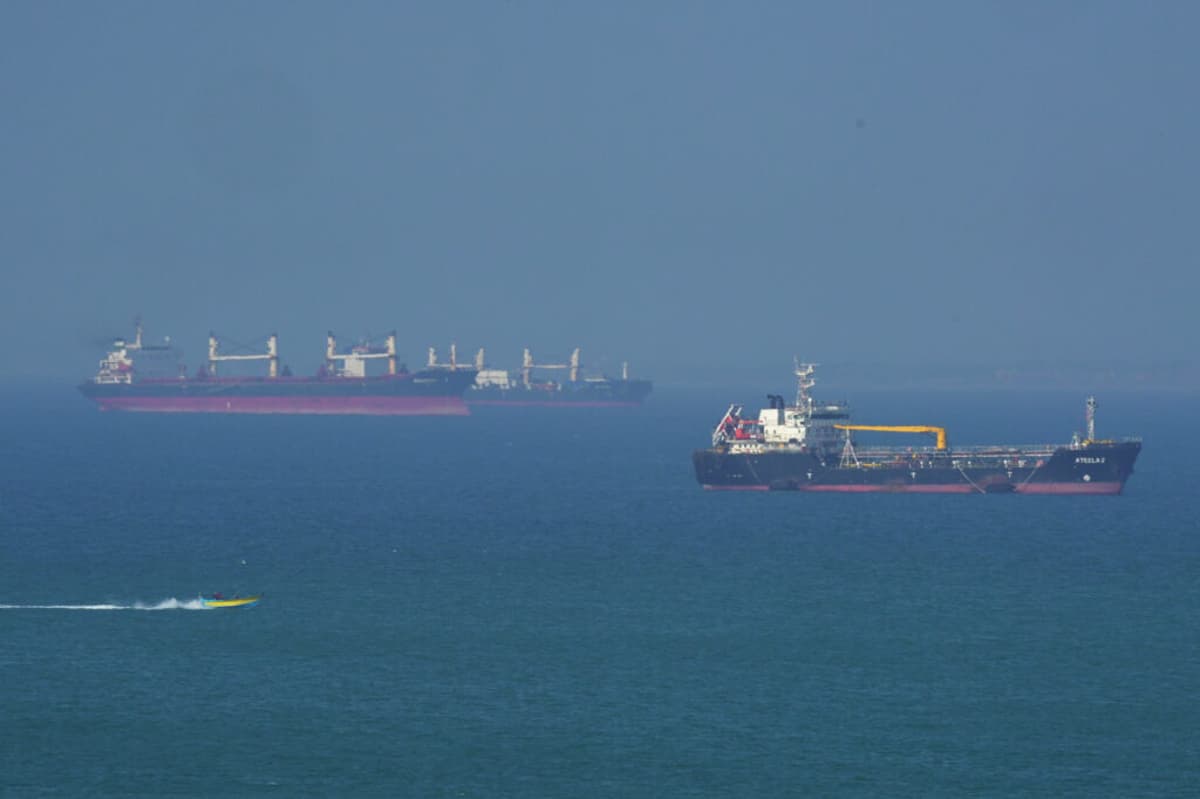
Oil has long been a catalyst for geopolitical rivalry, from Britain’s early 20th‑century maneuvers in the Middle East to today’s U.S.-Israel campaign against Iran. The strategic importance of the Strait of Hormuz—through which about one‑fifth of global oil and natural gas passes—means that any disruption reverberates across markets, inflating prices and exposing the fragility of a world still tethered to petroleum. Klare’s interview highlights how historical patterns repeat: control of energy supplies often translates into military leverage, making oil a persistent security concern.
Beyond the battlefield, the fossil‑fuel industry wields considerable influence over policy. While higher pump prices can boost short‑term earnings, Klare argues that oil majors are more invested in preserving the status quo than in immediate profit spikes. By lobbying against renewable incentives and opposing climate legislation, they aim to delay the energy transition that threatens their long‑term market share. This resistance is evident in recent U.S. policy rollbacks that favor new drilling and coal, undermining decades of progress toward decarbonization.
The current crisis, however, may serve as a catalyst for change. Rising energy costs and supply insecurity are prompting governments, businesses, and consumers to reconsider reliance on fossil fuels. Renewable technologies—solar, wind, and electric vehicles—are increasingly framed as national‑security assets that can insulate economies from geopolitical shocks. Accelerating deployment of clean energy not only aligns with climate objectives but also reduces vulnerability to oil‑related conflicts, offering a strategic pathway for both economic resilience and global stability.
How Oil Fuels Conflict and War—and Who Profits
Comments
Want to join the conversation?
Loading comments...