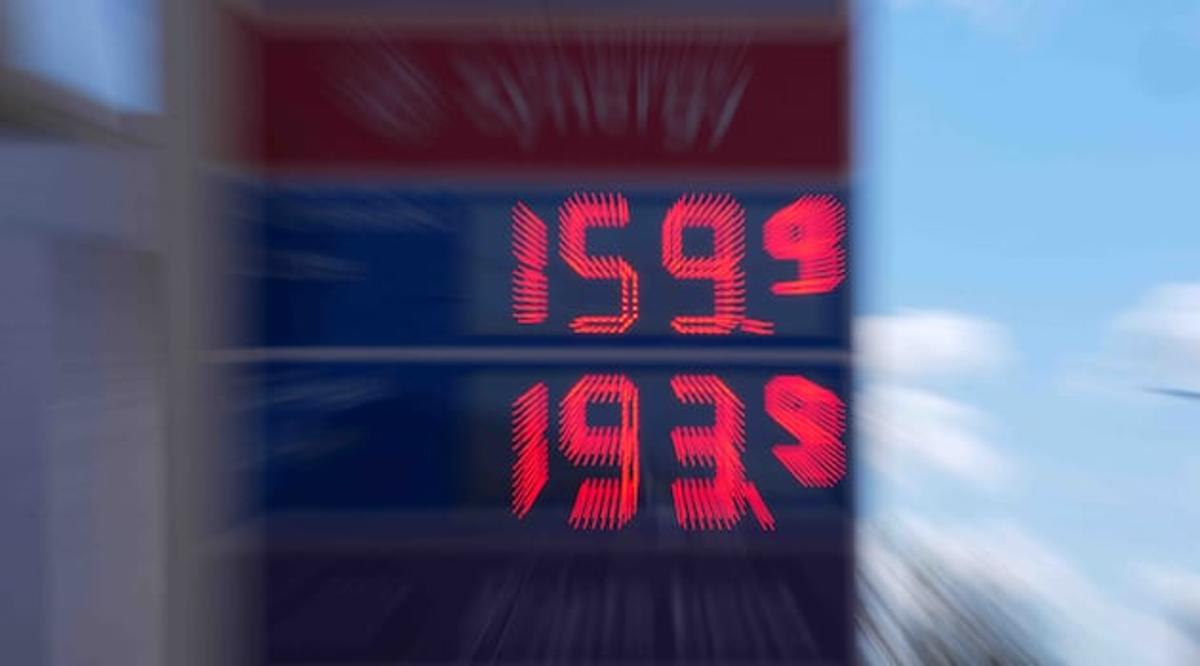
How Other Countries Are Responding to Surging Oil Prices - and Why Spain Is in a Good Position
Why It Matters
These measures directly affect household budgets and inflation, and they illustrate how energy policy can buffer economies from geopolitical shocks.
Key Takeaways
- •Spain's renewables keep fuel prices near €1.55/litre ($1.71)
- •UK maintains £5 bn ($6.3 bn) fuel‑duty cut, no new relief
- •Germany offers 17 c (€0.19) per litre tax cut for two months
- •Poland caps fuel prices, VAT down to 8%, costing €370 m/month
- •Slovenia imposes 50‑litre daily rationing to curb cross‑border fuel tourism
Pulse Analysis
The sudden closure of the Strait of Hormuz has sent shockwaves through global oil markets, forcing European governments to scramble for short‑term relief while reassessing longer‑term energy security. With roughly one‑fifth of the world’s oil and gas flowing through the strait, the disruption has lifted wholesale fuel costs, pressuring inflation and eroding consumer purchasing power. Policymakers are therefore balancing fiscal constraints against the political imperative to shield households from volatile pump prices.
Across the continent, responses diverge sharply. The United Kingdom leans on an existing £5 bn ($6.3 bn) fuel‑duty reduction but stops short of new subsidies, citing debt sustainability. Germany opts for a temporary 17 c (€0.19) per‑litre tax cut, while Poland enforces a daily price cap and slashes VAT to 8%, a move that will cost the treasury about €370 m ($407 m) each month. Spain stands out: its heavy investment in solar, wind and hydro has insulated electricity costs, allowing a €5 bn ($5.5 bn) stimulus that halves fuel VAT and adds targeted subsidies for farmers and transport operators.
The episode underscores a broader strategic shift. Nations with sizable renewable portfolios or strategic oil reserves—like Spain and China—are better positioned to absorb external shocks without resorting to massive fiscal outlays. For the rest of Europe, the crisis may accelerate policy debates on diversifying energy sources, expanding strategic stockpiles, and redesigning tax structures to make fuel pricing more resilient. Investors and businesses alike should watch how these short‑term measures evolve into longer‑term reforms that could reshape the continent’s energy landscape.
How other countries are responding to surging oil prices - and why Spain is in a good position
Comments
Want to join the conversation?
Loading comments...