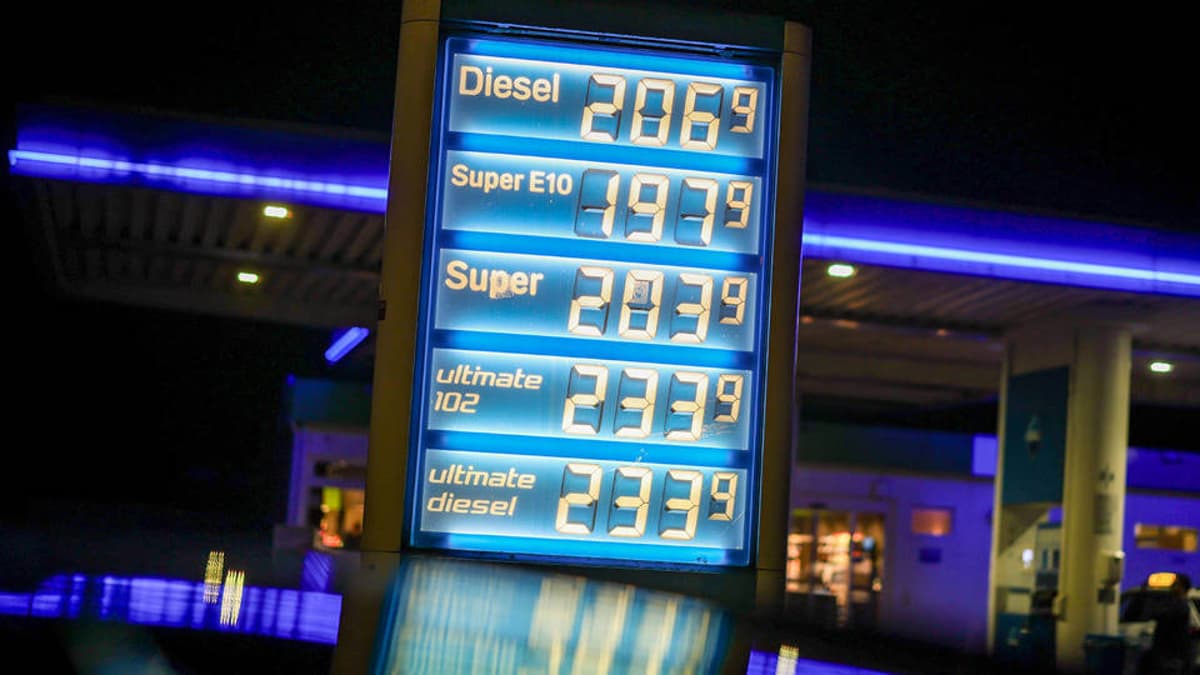
How Should Europe Respond to the Energy Shock?
Why It Matters
Redirecting fiscal policy toward emissions penalties and renewable incentives can shield Europe from volatile oil markets while generating new public revenue streams, accelerating the green transition.
Key Takeaways
- •Europe’s fuel tax cuts fail to curb emissions.
- •Oil price spikes hit Europe despite high‑income status.
- •Green transition viewed as revenue source, not just climate goal.
- •Policy shift needed toward renewables and emission penalties.
Pulse Analysis
The February‑initiated conflict between Israel, the United States and Iran has sent global crude prices soaring to roughly $115 a barrel, a level not seen since the early 2020s. Europe, traditionally a net importer of energy, now confronts a dual challenge: protecting consumers from price spikes while preserving its climate commitments. The shock reverberates through manufacturing costs, transport logistics, and household budgets, prompting governments to consider immediate relief measures. However, short‑term tax cuts on fuel risk entrenching fossil‑fuel dependence and eroding the fiscal space needed for long‑term sustainability.
Critics argue that Europe’s reflex to lower fuel taxes is a misstep that undercuts the continent’s green agenda. By reducing the price of carbon‑intensive fuels, policymakers inadvertently reward higher emissions and delay the deployment of renewable infrastructure. Moreover, the lost tax revenue could have been redirected toward clean‑energy subsidies, grid modernization, or carbon‑pricing mechanisms that internalize environmental costs. A revenue‑positive approach—such as expanding carbon taxes or implementing a windfall‑profits levy on oil companies—would not only deter wasteful consumption but also fund the next wave of solar, wind, and storage projects, aligning fiscal policy with climate objectives.
A strategic pivot toward emission‑discouraging policies could transform the energy shock into a catalyst for Europe’s green transition. By coupling higher carbon prices with robust incentives for renewable adoption, governments can generate a dual dividend: reduced reliance on volatile oil markets and a new stream of public funds for climate‑resilient investments. This alignment would bolster energy security, stimulate green‑tech innovation, and position Europe as a leader in the emerging low‑carbon economy, delivering both economic and environmental dividends in the post‑shock era.
How Should Europe Respond to the Energy Shock?
Comments
Want to join the conversation?
Loading comments...