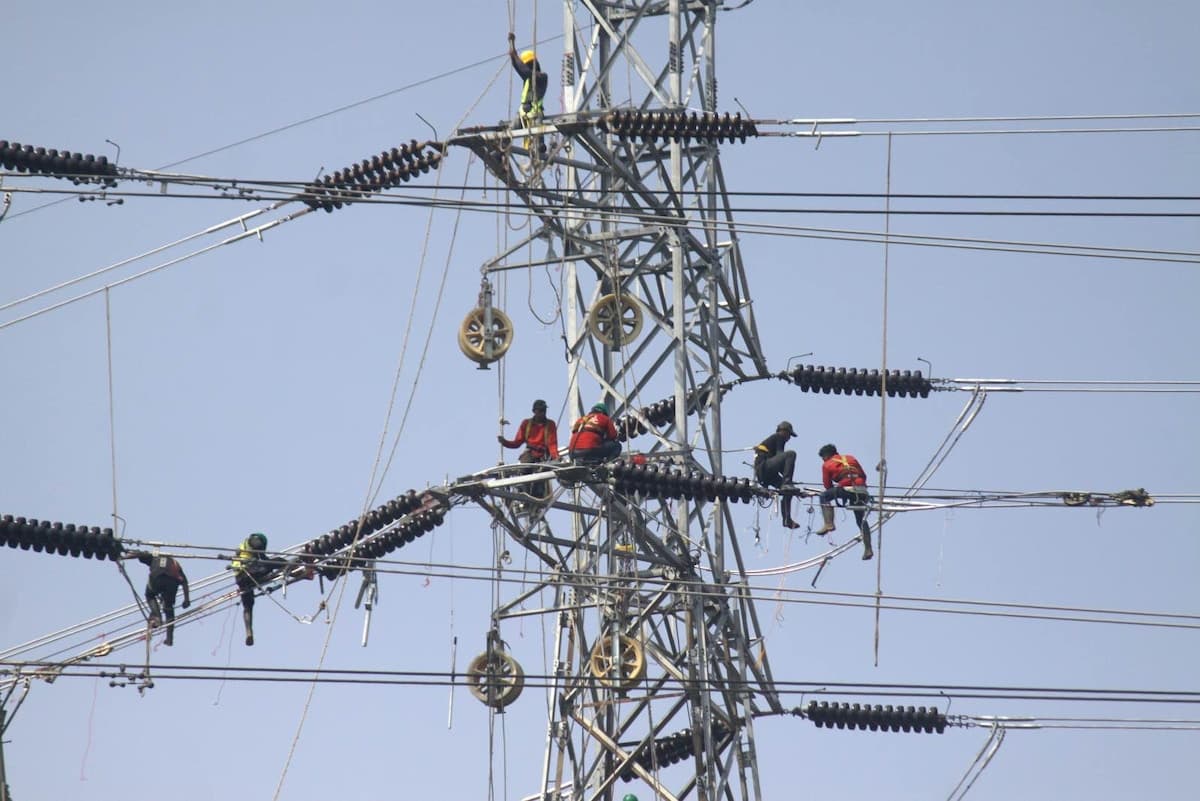
How Southeast Asia’s Power Grids Are Wired Could Hinder Its Clean Energy Shift: Study
Why It Matters
Integrated utility models create conflicts of interest that raise costs for consumers and delay decarbonisation, making regulatory reform essential for Southeast Asia’s energy future.
Key Takeaways
- •Southeast Asian utilities are vertically integrated, controlling generation and distribution
- •Integrated models discourage rooftop solar and other distributed resources
- •Independent DSO structures in EU offer a contrast to regional utilities
- •Ring‑fencing and performance incentives can mitigate conflict of interest
- •Grid reforms are critical to meet rapid demand growth and decarbonisation
Pulse Analysis
Southeast Asia is poised to become one of the world’s fastest‑growing electricity markets, with demand projected to surge over the next decade. Yet the region’s power grids are largely operated by vertically integrated utilities that own both the wires and the power they sell. This structural arrangement creates a built‑in bias toward traditional, centralized generation and large‑scale infrastructure projects, while sidelining smaller, distributed solutions such as rooftop solar and community microgrids. The result is a bottleneck that could slow the rollout of renewable capacity precisely when it is needed most.
In contrast, the European Union has largely separated the role of distribution system operators (DSOs) from power generation and retail. Stand‑alone DSOs focus exclusively on planning, financing, building and operating local networks, which encourages open, non‑discriminatory access for distributed energy resources. The Agora report argues that Southeast Asian utilities, by combining grid ownership with retail sales, face inherent conflicts of interest that discourage connections for rooftop solar and other flexible resources. This misalignment not only hampers clean‑energy projects but also inflates costs for businesses and households that could otherwise benefit from cheaper, locally generated power.
Policymakers can address these challenges through regulatory tools such as ring‑fencing, which separates a utility’s grid finances from its generation or retail arms, and performance‑based incentives that reward the integration of variable renewables. Enforcing transparent, non‑discriminatory access rules will also level the playing field for independent power producers. For investors, a clearer regulatory landscape signals lower risk and greater upside for renewable projects across Indonesia, Thailand, the Philippines and the broader region. Ultimately, aligning grid governance with decarbonisation goals is essential to sustain economic growth while meeting climate commitments.
How Southeast Asia’s power grids are wired could hinder its clean energy shift: study
Comments
Want to join the conversation?
Loading comments...