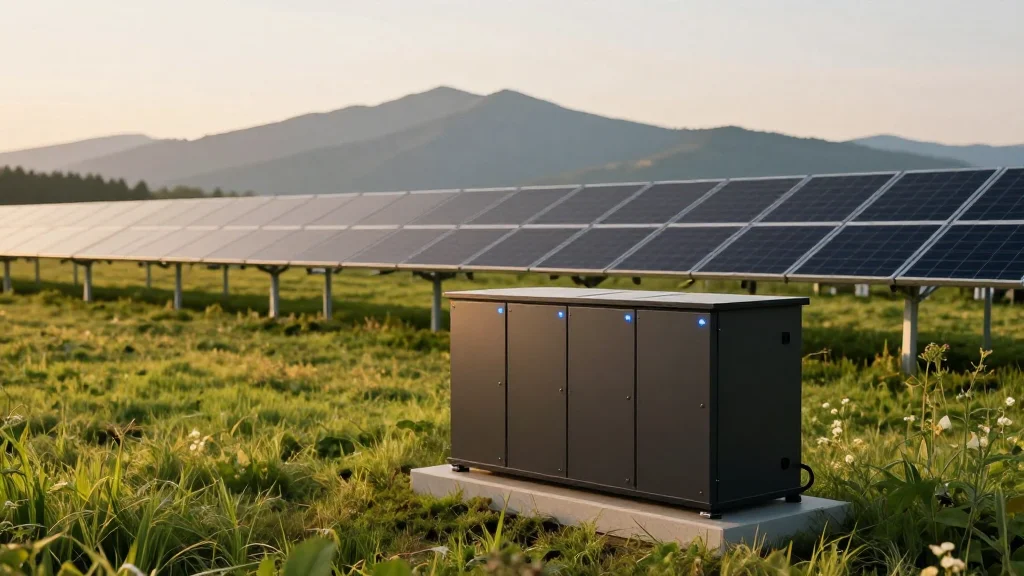
How the Solar and Storage 'Sweet Spot' Could Slash Europe's Energy Costs
Why It Matters
Halving operating costs would dramatically lower electricity bills for households and industry, accelerating Europe’s transition to a low‑carbon, energy‑secure economy. The projected investment also creates a sizable market for solar and storage firms, reshaping the continent’s power landscape.
Key Takeaways
- •Solar+storage could cut Europe’s power operating costs by ~50%
- •Deploy 300 GW solar, 150 GW storage by 2030
- •Investment needed: €200 bn (~$215 bn) to achieve the 2030 target
- •Policy incentives and market reforms accelerate financing and grid integration
- •Reduced reliance on gas lowers emissions and improves energy security
Pulse Analysis
Europe’s energy bills have surged as gas prices remain volatile, prompting policymakers to seek a more resilient power mix. Solar photovoltaics, once limited by intermittency, are now paired with rapidly falling battery costs, creating a "sweet spot" where generation and storage complement each other. This synergy not only smooths supply fluctuations but also reduces the need for expensive peaking plants, directly translating into lower operating expenses for utilities and end‑users.
The SolarPower Europe outlook quantifies this opportunity: adding roughly 300 GW of solar capacity alongside 150 GW of battery storage by 2030 could slash operating costs by about half. Achieving this scale requires roughly €200 bn (≈$215 bn) in capital, a figure that appears attainable given recent upticks in green financing and clearer policy frameworks across the EU. Incentive mechanisms such as contracts for difference, tax credits, and streamlined permitting are expected to de‑risk projects, attracting both institutional investors and corporate off‑takers.
Beyond cost savings, the transition promises broader strategic benefits. A robust solar‑storage network diminishes Europe’s reliance on imported fossil fuels, bolstering energy security and meeting stringent climate targets. The anticipated market expansion will spur job creation in manufacturing, installation, and grid management, while also driving innovation in storage technologies. As the continent moves toward this integrated model, stakeholders—from utilities to regulators—must coordinate to ensure grid compatibility, market design, and long‑term financing remain aligned with the 2030 ambition.
How the solar and storage 'sweet spot' could slash Europe's energy costs
Comments
Want to join the conversation?
Loading comments...