How the World Is Preparing for Oil Shortages
Why It Matters
Disruption in Hormuz would spike oil prices, strain global economies, and accelerate the shift toward alternative energy and financial hedging strategies.
Key Takeaways
- •Hormuz closure could cut up to 20% of global oil flow
- •Gulf states raised ~$10 bn in private bonds for contingency funding
- •Countries stockpiling fuel and expanding renewables to offset supply risk
- •Shipping routes and insurance costs likely surge if Hormuz shuts
- •Investors may shift to alternative energy amid heightened oil market volatility
Pulse Analysis
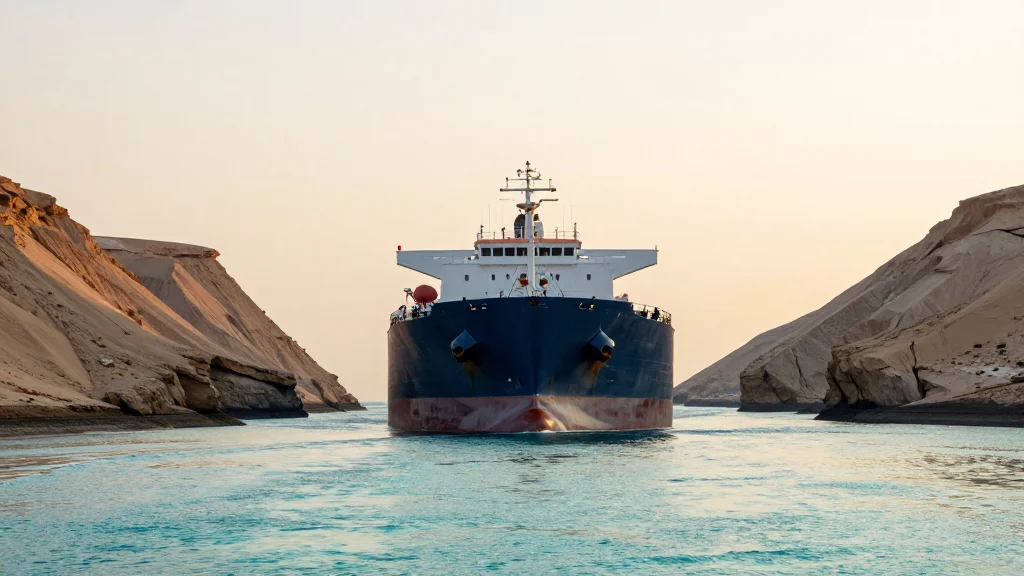
The Strait of Hormuz remains a chokepoint for roughly a fifth of the world’s oil trade, making its uninterrupted operation a cornerstone of global energy security. Even brief disruptions—whether from geopolitical tension, piracy, or technical failures—can send shockwaves through commodity markets, prompting price spikes and prompting governments to reassess strategic reserves. Recent analyses suggest that a sustained closure could force oil prices above $120 per barrel, tightening margins for manufacturers and raising inflationary pressures across economies still recovering from pandemic‑induced supply shocks.
In anticipation of such a scenario, Gulf monarchies have turned to private‑bond markets, raising close to $10 bn in what analysts describe as a wartime‑style borrowing spree. These funds are earmarked for stockpiling fuel, bolstering naval patrols, and financing alternative logistics routes that bypass the strait. The rapid issuance of high‑yield bonds reflects both investor appetite for sovereign‑linked credit and the region’s willingness to shoulder higher financing costs to preserve market stability. For global investors, the surge adds a new layer of risk‑adjusted return calculations, especially as insurance premiums for tanker routes climb.
Beyond immediate financing, the looming threat of Hormuz disruption is reshaping longer‑term energy strategies. Nations are accelerating diversification into renewables, expanding strategic petroleum reserves, and exploring hydrogen and liquefied natural gas alternatives to mitigate reliance on a single transit corridor. Market participants are also reallocating capital toward ESG‑focused assets, betting that heightened oil volatility will boost demand for cleaner energy solutions. Policymakers, meanwhile, face pressure to coordinate diplomatic efforts that keep the strait open while supporting resilient supply chains, underscoring the intricate link between geopolitics, finance, and the future of global energy markets.
How the world is preparing for oil shortages
Comments
Want to join the conversation?
Loading comments...