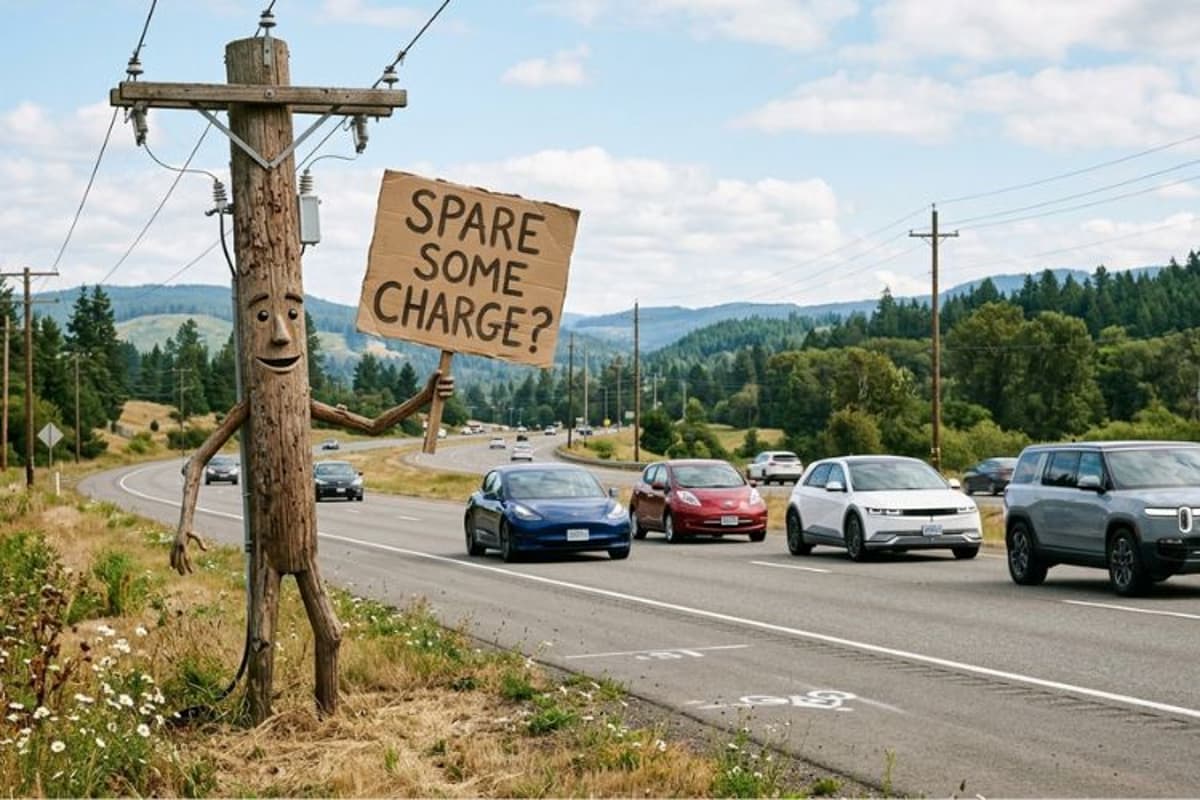
How Utilities Are Using EVs as Grid Assets | Q&A with ChargeScape CEO Joseph Vellone
Why It Matters
By turning EV batteries into dispatchable resources, utilities can smooth renewable variability, bolster reliability during extreme weather, and monetize idle storage, reshaping the economics of the power sector.
Key Takeaways
- •Sunrun and BGE launched U.S.’s first V2G power plant in Maryland
- •Ford F‑150 pickups can discharge stored energy back to the grid
- •PG&E and Mobility House pilot V2G for electric school bus fleet
- •Utilities view residential EV chargers as distributed storage for disaster resilience
- •V2G adoption could unlock billions in grid services revenue
Pulse Analysis
Vehicle‑to‑grid technology is moving from theory to large‑scale deployment as utilities seek flexible, low‑cost resources to balance a rapidly decarbonizing grid. Federal incentives and state mandates are encouraging utilities to explore distributed storage, and EV batteries present a ready‑made solution. The Sunrun‑BGE partnership in Maryland illustrates how a fleet of Ford F‑150 Lightning trucks can collectively act as a 5‑megawatt power plant, dispatching stored energy during peak demand or outages, while owners receive compensation through utility tariffs.
In California, PG&E’s collaboration with Mobility House extends the V2G concept to public transportation, equipping electric school buses with bidirectional chargers that both draw power for routes and return excess energy to the grid. This model not only reduces emissions from school transportation but also provides a predictable, controllable load that can be leveraged for frequency regulation and emergency backup. Early data suggest that each bus can supply up to 150 kW for short periods, a valuable contribution during heat‑driven peak events.
Looking ahead, widespread V2G adoption could unlock billions of dollars in ancillary service markets, creating a new revenue stream for vehicle owners and utilities alike. Challenges remain, including standardizing communication protocols, ensuring battery longevity, and navigating regulatory frameworks that currently treat EVs as static loads. Nonetheless, as battery costs continue to fall and grid operators recognize the reliability benefits, V2G is poised to become a cornerstone of the next wave of utility innovation, enhancing resilience while accelerating the transition to clean energy.
How utilities are using EVs as grid assets | Q&A with ChargeScape CEO Joseph Vellone
Comments
Want to join the conversation?
Loading comments...