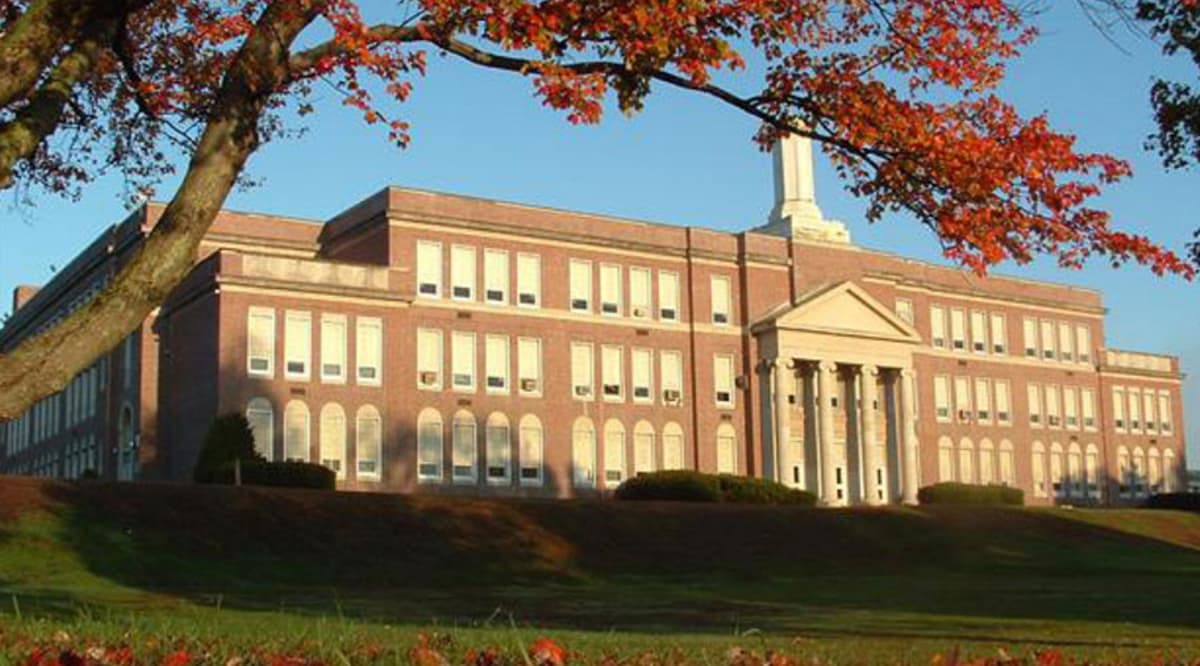
How Westfield Modernized 18 Buildings Without Losing Its Past
•February 20, 2026
0
Why It Matters
The initiative demonstrates how legacy‑city assets can be modernized cost‑effectively, preserving heritage while slashing operating expenses. It offers a replicable model for municipalities facing deferred‑maintenance challenges.
Key Takeaways
- •$14M upgrade saved $100M demolition cost.
- •39% heating fuel cut at Upper Campus.
- •VRF system replaced 57 window AC units.
- •Siemens guarantees $100k annual savings for 20 years.
- •Energy management system links 18 municipal and school buildings.
Pulse Analysis
Westfield’s aging infrastructure mirrored a common dilemma for many U.S. towns: historic buildings demand costly upkeep, yet demolition threatens cultural identity. By conducting a comprehensive audit and leveraging the Massachusetts School Building Authority’s financing, the city identified targeted retrofits rather than wholesale replacement. Siemens’ expertise in forced‑water boilers, radiant floor heating, and variable refrigerant flow (VRF) systems allowed the municipality to upgrade mechanicals while preserving original architectural details, a balance that satisfies both fiscal prudence and community sentiment.
The technical upgrades delivered measurable performance gains. Replacing obsolete steam boilers with high‑efficiency condensing units cut heating fuel consumption by 39% at the Technical Academy Upper Campus and reduced natural‑gas use by 59% at Southampton Road School. Integration into a city‑wide energy management platform enabled real‑time monitoring across 18 facilities, supporting demand‑response strategies and predictive maintenance. Siemens’ performance‑based contract guarantees at least $100,000 in annual savings for 20 years, shifting risk away from the public sector and ensuring long‑term ROI.
Beyond immediate savings, Westfield’s project sets a precedent for sustainable urban renewal. The $14 million investment, a fraction of the $100 million demolition alternative, illustrates how strategic financing and modern building controls can extend the useful life of historic assets. Future phases targeting wastewater treatment and lighting upgrades will further enhance efficiency, positioning Westfield as a benchmark for municipalities seeking to modernize infrastructure without erasing their heritage.
How Westfield Modernized 18 Buildings Without Losing Its Past
0
Comments
Want to join the conversation?
Loading comments...