Energy News and Headlines
  • All Technology
  • AI
  • Autonomy
  • B2B Growth
  • Big Data
  • BioTech
  • ClimateTech
  • Consumer Tech
  • Crypto
  • Cybersecurity
  • DevOps
  • Digital Marketing
  • Ecommerce
  • EdTech
  • Enterprise
  • FinTech
  • GovTech
  • Hardware
  • HealthTech
  • HRTech
  • LegalTech
  • Nanotech
  • PropTech
  • Quantum
  • Robotics
  • SaaS
  • SpaceTech
AllNewsDealsSocialBlogsVideosPodcastsDigests

Energy Pulse

EMAIL DIGESTS

Daily

Every morning

Weekly

Sunday recap

NewsDealsSocialBlogsVideosPodcasts
EnergyNewsHungary Seeks Croatian Help As Russian Oil Flows Via Ukraine Halted
Hungary Seeks Croatian Help As Russian Oil Flows Via Ukraine Halted
Global EconomyEnergy

Hungary Seeks Croatian Help As Russian Oil Flows Via Ukraine Halted

•February 16, 2026
0
OilPrice.com – Main
OilPrice.com – Main•Feb 16, 2026

Why It Matters

The rerouting highlights vulnerabilities in Europe’s energy supply chain and tests the limits of sanctions exemptions, influencing regional energy security and diplomatic relations.

Key Takeaways

  • •Hungary, Slovakia ask Croatia for oil transit
  • •Druzhba pipeline halted after Russian strikes in Ukraine
  • •EU sanctions exemption permits maritime Russian oil imports
  • •Croatia conditions assistance on EU and US sanction compliance
  • •U.S. backs Orbán; nuclear deal includes SMR purchase

Pulse Analysis

The abrupt cessation of oil flows through Ukraine’s Druzhba corridor has forced Hungary and Slovakia to seek an alternative route via Croatia’s Adria pipeline. This shift is not merely a logistical adjustment; it activates a specific EU sanctions exemption that allows maritime imports of Russian crude when overland pipelines are unavailable. By leveraging this loophole, the Central European nations aim to maintain refinery throughput and avoid fuel shortages, while Croatia evaluates the legal and regulatory framework to ensure alignment with both EU directives and U.S. secondary sanctions.

Beyond the immediate supply concerns, the episode reflects deeper geopolitical fault lines. Kyiv attributes the pipeline shutdown to recent Russian attacks on critical infrastructure, framing it as a deliberate act of war. Budapest, however, characterizes the disruption as "political blackmail," accusing Ukraine of leveraging energy supplies to pressure Hungary over its opposition to Ukrainian EU membership. This narrative fuels broader debates within the EU about the balance between collective sanctions policy and individual member states’ energy security needs, especially for countries heavily reliant on Russian imports.

The situation also dovetails with heightened U.S. engagement in the region. Secretary of State Marco Rubio’s recent visit to Budapest, coupled with a new civil nuclear cooperation agreement that includes potential purchases of American small modular reactors, signals Washington’s strategic interest in bolstering Hungary’s energy diversification. As the EU grapples with sanction enforcement and the West navigates the complexities of Russian energy dependence, the outcome of Croatia’s decision could set a precedent for how allied nations manage sanctioned commodities while preserving regional stability.

Hungary Seeks Croatian Help As Russian Oil Flows Via Ukraine Halted

By Alex Kimani · February 16, 2026, 12:30 PM CST

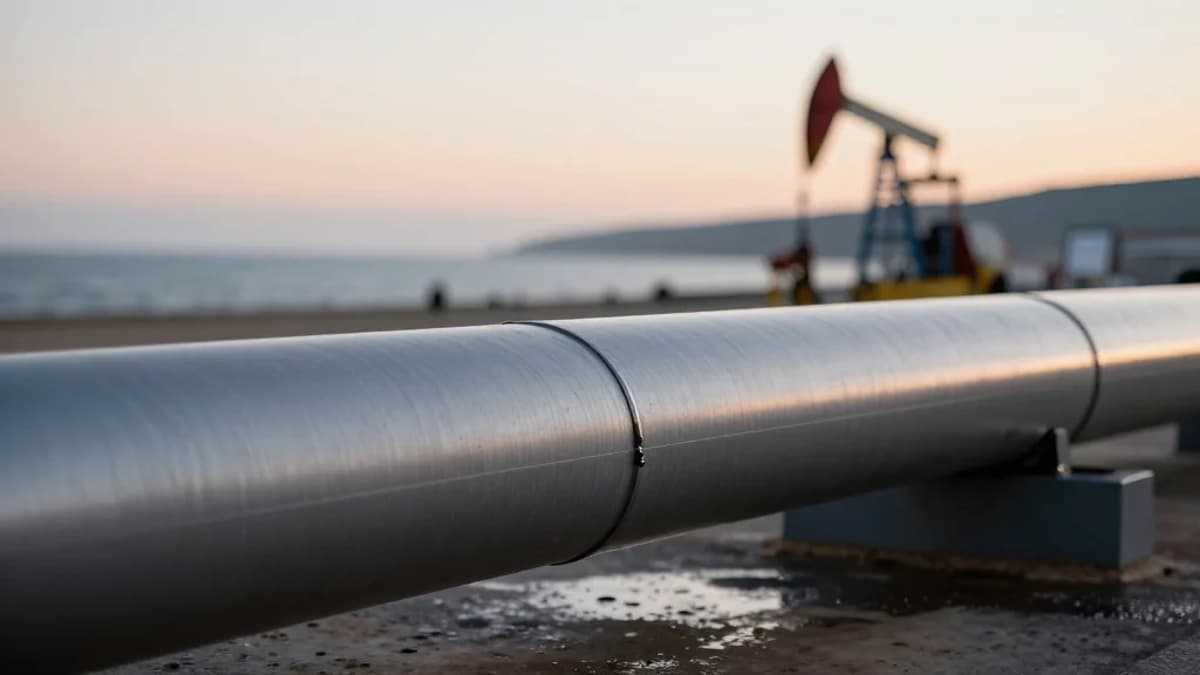
Hungary and Slovakia have formally requested that Croatia authorize the transit of Russian crude oil via the Adriatic pipeline, following the complete suspension of oil flows through the Ukrainian section of the Druzhba pipeline, which has been out of service since January 27. The two countries seek to use the Adria pipeline (operated by the Croatian state‑owned company Janaf), which connects the Croatian port of Omišalj to refineries in Hungary and Slovakia.

According to Hungarian Foreign Minister Péter Szijjártó, their EU sanctions exemption allows for maritime imports of Russian oil if pipeline deliveries are disrupted. Croatia appears willing to lend a helping hand, with Economy Minister Ante Šušnjar stressing that “no one should be left without fuel,” provided the assistance complies with EU law and U.S. sanctions. Ukraine officials claim the shutdown was caused by Russian strikes on pipeline infrastructure just over two weeks ago.

The attack occurred near the city of Brody, where the Druzhba pipeline connects with other infrastructure, with local officials reporting pollution from burning oil products. The incident follows a series of strikes on Ukrainian energy infrastructure by Russia, as well as previous Ukrainian drone strikes on the Russian section of the same pipeline.

While Ukraine cites physical damage from Russian strikes, Hungarian and Slovakian officials say there are no technical reasons to stop oil flows, labeling the stoppage “political blackmail” and suggesting Ukraine is intentionally blocking the supply as a political maneuver following a stand‑off regarding Hungary’s stance on Ukraine’s EU membership. The two have been vocal in their opposition to Ukraine joining the European Union, with Hungarian Prime Minister Viktor Orbán explicitly pledging to block the process, citing risks of bringing war into the bloc.

The situation coincides with broader diplomatic activity in the region. U.S. Secretary of State Marco Rubio met with Hungarian Prime Minister Viktor Orbán in Budapest on Monday, wherein Rubio explicitly backed Orbán’s bid for a fifth consecutive term in the upcoming April 12 elections, noting that President Donald Trump is “deeply committed” to Orbán’s success. The two leaders oversaw the signing of a major U.S.–Hungary civil nuclear cooperation deal, which includes the potential purchase of American small modular reactors (SMRs) and nuclear fuel technology.

By Alex Kimani for Oilprice.com

Read Original Article
0

Comments

Want to join the conversation?

Loading comments...