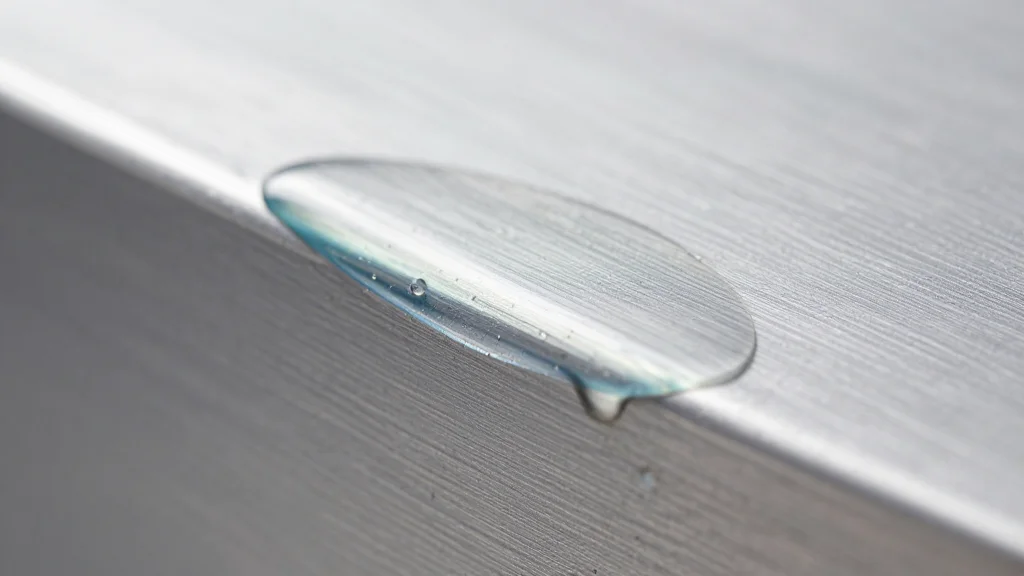
Hydrophobic Liquid Electrolyte Interphases for Efficient Aqueous Zinc Batteries
Why It Matters
The DEE‑derived LEI enables safe, high‑energy aqueous zinc batteries with far‑greater cycle life, positioning them as a viable, low‑cost alternative for grid‑scale storage.
Key Takeaways
- •DEE additive forms hydrophobic liquid electrolyte interphase (LEI) on Zn electrode
- •LEI expands aqueous Zn battery electrochemical stability window to 3.08 V
- •1.8 mol % DEE yields 54 mS cm⁻¹ conductivity and non‑flammable electrolyte
- •Zn||Zn cells achieve 2,800 h life and 99.83 % Coulombic efficiency
- •Zn||NaV₃O₈ pouch cells deliver 132 Wh kg⁻¹ and 500 cycles at 80 % retention
Pulse Analysis
Aqueous zinc batteries have long been touted for their low cost and intrinsic safety, yet their commercial rollout has been hampered by a narrow water‑limited voltage window and rapid dendrite formation. Traditional strategies—high‑salt “water‑in‑salt” electrolytes or organic co‑solvents—often sacrifice ionic conductivity or introduce flammability, creating a trade‑off between stability and performance. The recent introduction of a hydrophobic liquid electrolyte interphase (LEI) sidesteps these compromises by using a minute amount of 1,2‑diethoxyethane (DEE) that spontaneously adsorbs onto the zinc surface, forming a self‑healing, water‑repellent layer while leaving the bulk electrolyte untouched. This interfacial engineering expands the electrochemical stability window to 3.08 V, a notable jump from the typical ~2.9 V, and suppresses hydrogen evolution, directly tackling the root causes of dendrite growth and gas buildup.
Beyond voltage expansion, the DEE‑LEI preserves the hallmark advantages of aqueous systems: high ionic conductivity (over 50 mS cm⁻¹ at 25 °C) and inherent non‑flammability. By keeping the bulk electrolyte composition largely water‑based, the solution maintains fast Zn²⁺ transport and avoids the viscosity penalties of highly concentrated salts. The LEI’s liquid nature also accommodates the volume changes of zinc plating/stripping, preventing the cracking that plagues solid SEI layers. Consequently, symmetric Zn||Zn cells exhibit lifespans exceeding 2,800 hours at 5 mA cm⁻², and full pouch cells with NaV₃O₈ cathodes deliver 132 Wh kg⁻¹ with 500 stable cycles, showcasing both high energy density and durability.
The broader impact of this breakthrough lies in its scalability and compatibility with existing manufacturing processes. DEE is inexpensive and can be introduced at low concentrations, minimizing material costs and simplifying electrolyte preparation. Moreover, the LEI concept is transferable to other metal‑aqueous systems where water‑induced side reactions limit performance. As grid‑scale storage demands grow, the ability to deploy safe, inexpensive, and long‑lasting aqueous zinc batteries could accelerate the transition to renewable energy, offering a compelling alternative to lithium‑ion technologies in stationary applications.
Hydrophobic liquid electrolyte interphases for efficient aqueous zinc batteries
Comments
Want to join the conversation?
Loading comments...